Can a Bad Hair Transplant Be Repaired?✨
July 16, 2026
DHI vs FUE – Which One Is Better?(2026)
July 20, 2026Hair Transplant Side Effects Explained (2026): What’s Normal and When to Be Concerned
Hair transplantation has become one of the safest and most effective cosmetic procedures available today. Modern techniques such as FUE (Follicular Unit Extraction) and DHI (Direct Hair Implantation) provide natural-looking results with minimal downtime. However, like every surgical procedure, a hair transplant comes with potential side effects.
The good news is that most hair transplant side effects are temporary, mild, and resolve naturally within days or weeks. Knowing what to expect before surgery can help reduce anxiety and ensure a smoother recovery.
In this guide, we’ll explain the most common side effects after a hair transplant, how long they last, how to manage them, and the warning signs that require medical attention.
Are Hair Transplant Side Effects Normal?
Common hair transplant side effects include swelling, redness, itching, scabbing, temporary numbness, mild discomfort, and shock loss. These symptoms are part of the normal healing process and usually resolve within one to two weeks.
Yes. Nearly every patient experiences at least a few temporary side effects after surgery. During an FUE procedure, thousands of tiny grafts are removed from the donor area and implanted into the recipient area. Your body naturally responds with inflammation as part of the healing process.
Most symptoms improve significantly during the first two weeks.
Normal recovery includes:
- Minor swelling
- Redness
- Small scabs
- Mild discomfort
- Temporary numbness
- Shock loss
Doctor-Led Hair Transplant Care
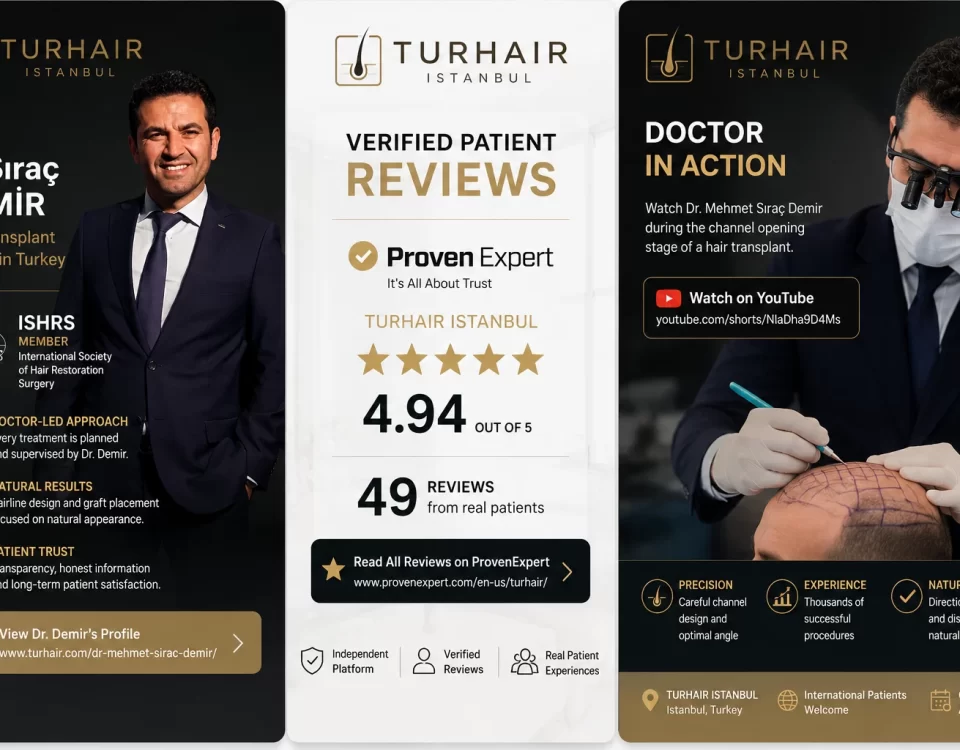
What Makes TurHair and Dr. Demir Different?
The difference is not simply the technique used. It is the combination of
personalized medical planning, direct doctor involvement, limited daily procedures and structured aftercare.
These factors may help reduce avoidable complications and support a safer, more comfortable recovery.
“`
| Safety Factor | High-Volume Clinics | TurHair and Dr. Demir Approach |
|---|---|---|
| Doctor Involvement | In some clinics, the doctor may only provide brief supervision while most stages are delegated. | Dr. Mehmet Sıraç Demir evaluates the patient, plans the procedure, designs the hairline and performs the critical medical stages included in the selected package. |
| Daily Patient Volume | Multiple procedures may be scheduled on the same day, which can reduce the time available for individual planning and monitoring. | TurHair follows a limited-patient model, allowing more time for consultation, graft planning, surgical control and post-operative evaluation. |
| Medical Assessment | Standardized treatment plans may be offered without sufficiently considering medical history, scalp condition or donor limitations. | Each patient is assessed individually according to donor capacity, hair-loss pattern, scalp health, age, medications and general medical condition. |
| Donor Area Protection | Excessive extraction may increase the risk of patchy thinning, visible depletion and prolonged donor-area sensitivity. | Graft numbers are planned according to the patient’s real donor capacity, helping to avoid unnecessary overharvesting and uneven extraction. |
| Channel Creation | Poorly planned or excessively dense channel creation may increase tissue trauma and negatively affect graft direction or healing. | In the VIP plan, Dr. Demir personally performs recipient-site creation, carefully controlling depth, angle, direction and distribution. |
| Hygiene and Sterilization | Inadequate sterilization or rushed workflow may increase the risk of infection and delayed wound healing. | Procedures follow controlled sterilization, single-use material and surgical hygiene protocols designed to minimize preventable infection risks. |
| Graft Handling | Rough handling, prolonged exposure or poor storage may reduce graft quality and increase unnecessary tissue trauma. | Grafts are handled carefully, kept hydrated and implanted within a controlled workflow to support follicle survival. |
| Aftercare and Follow-Up | Patients may receive only general instructions and limited support after leaving the clinic. | TurHair provides first-wash guidance, medication instructions, recovery monitoring and continued communication after the patient returns home. |
“`
Why May Side-Effect Risks Be Lower?
No medical procedure can guarantee that side effects will never occur. However, careful planning, controlled tissue handling, proper sterilization and close medical supervision can help reduce avoidable risks and improve recovery management.
Less Unnecessary Trauma
Careful extraction and channel planning may reduce excessive bleeding, swelling, tissue damage and prolonged tenderness.
Lower Infection Risk
Sterile instruments, hygienic workflow and correct wound-care instructions help minimize preventable infections.
Early Medical Response
Close follow-up allows unusual redness, pain, folliculitis or swelling to be identified and managed early.
Individualized Medication
Medication and aftercare are selected according to the patient’s medical history rather than using one identical plan for everyone.
Important Medical Note
Temporary redness, swelling, itching, scabbing, numbness and shock loss may still occur even after a correctly performed hair transplant.
These are common parts of the healing process. The goal of doctor-led care is not to promise zero side effects, but to
minimize unnecessary risks, recognize complications early and support safe recovery.
TurHair Organization. Dr. Demir’s Medical Leadership.
Together, TurHair and Dr. Mehmet Sıraç Demir provide a carefully planned, transparent and medically supervised hair transplant experience focused on patient safety and natural results.
1. Swelling (Edema)
Swelling is one of the most common side effects after a hair transplant.
It usually develops around:
- Forehead
- Eyelids
- Upper face
Swelling typically begins on day 2 or 3 and disappears within 5-7 days.
How to reduce swelling
- Sleep with your head elevated.
- Avoid bending forward.
- Drink plenty of water.
- Take prescribed anti-inflammatory medication.
- Follow your surgeon’s instructions carefully.
2. Redness
Redness occurs because thousands of microscopic incisions are created during implantation.
Most patients notice redness for:
- 7-14 days
- Longer if fair-skinned
- Sometimes several weeks in sensitive skin
Redness gradually fades without treatment.
3. Scabbing
Tiny scabs form around each implanted graft during healing.
This is completely normal and actually protects the follicles.
Scabs usually fall off naturally within:
- 7-10 days
- Occasionally up to 14 days
Never pick the scabs. Removing them early can damage newly implanted grafts.
4. Itching
Many patients experience itching during the healing phase.
Itching usually appears around days 4-10 as the skin repairs itself.
Relief tips
- Use only approved shampoos.
- Avoid scratching.
- Follow washing instructions.
- Stay hydrated.
5. Temporary Numbness
Numbness can occur because tiny sensory nerves are affected during surgery.
Common locations include:
- Donor area
- Hairline
- Recipient area
Normal sensation generally returns within several weeks to a few months.
6. Pain or Tenderness
Most patients describe post-operative discomfort as mild rather than painful.
The donor area is usually more sensitive than the recipient area.
Prescription pain medication is generally only needed for the first couple of days.
7. Shock Loss
Shock loss is one of the most misunderstood hair transplant side effects.
After surgery, some transplanted hairs—and occasionally existing native hairs—may shed.
This does not mean the transplant failed.
The follicles remain alive beneath the skin.
New hair typically begins growing after:
- 3-4 months
- Noticeable improvement by month 6
- Final results around 12-18 months
8. Pimples (Folliculitis)
Small pimples sometimes develop when new hairs begin emerging.
This condition is known as folliculitis.
Most cases are mild and disappear without treatment.
If multiple painful pimples appear, your surgeon may prescribe antibiotics.
9. Temporary Hair Thinning
Existing hair around the transplant area may temporarily appear thinner.
This is part of the normal healing response and usually improves as hair regrows.
10. Donor Area Tightness
Patients often notice a feeling of tightness in the donor area during the first weeks.
This sensation gradually disappears as tissues heal.
Rare Hair Transplant Complications
Serious complications are uncommon when surgery is performed by experienced surgeons in accredited clinics.
Rare complications include:
- Infection
- Persistent bleeding
- Delayed healing
- Scarring
- Poor graft survival
- Allergic reaction to medication
Following post-operative instructions dramatically reduces these risks.
Warning Signs You Should Contact Your Surgeon
Seek medical advice if you experience:
- High fever
- Increasing redness after one week
- Pus or foul-smelling drainage
- Severe swelling
- Persistent heavy bleeding
- Intense pain not relieved by medication
How to Minimize Hair Transplant Side Effects
Recovery is often smoother when patients carefully follow post-operative care instructions.
Best practices include:
- Sleep with your head elevated.
- Avoid smoking.
- Avoid alcohol for several days.
- Do not exercise heavily for 10-14 days.
- Avoid direct sunlight.
- Do not wear tight hats.
- Wash your scalp exactly as instructed.
- Take prescribed medications.
Do Different Hair Transplant Techniques Have Different Side Effects?
Modern techniques have similar recovery profiles, although minor differences exist.
| Technique | Healing Time | Scarring | Recovery |
|---|---|---|---|
| FUE | 7–10 days | Minimal dot scars | Fast |
| DHI | 7–10 days | Minimal | Fast |
| FUT | 10–14 days | Linear scar | Longer |
Frequently Asked Questions
How long do hair transplant side effects last?
Most temporary side effects resolve within one to two weeks, while numbness may last several months.
Is swelling after a hair transplant dangerous?
No. Mild swelling is a normal part of recovery and usually disappears within one week.
Will transplanted hair fall out?
Yes. Temporary shedding is expected. The follicles remain healthy and new hair starts growing after several months.
Can infection occur?
Although rare, infection is possible. Proper hygiene and following your surgeon’s instructions significantly reduce the risk.
When can I return to work?
Many patients return to office work within 2-5 days, depending on their comfort level and recovery.
Final Thoughts
Experiencing mild swelling, redness, itching, scabbing, or temporary hair shedding after a hair transplant is completely normal. These effects are part of the body’s natural healing process and almost always resolve without long-term problems.
The key to a successful recovery is choosing an experienced surgeon, following aftercare instructions carefully, and maintaining realistic expectations throughout the hair growth journey.
By understanding what is normal and recognizing the rare warning signs, patients can recover with confidence and look forward to natural, long-lasting hair restoration results.
Hair Transplant Recovery Timeline: What to Expect Week by Week
One of the biggest concerns patients have before undergoing a hair transplant is understanding the recovery process. While every individual heals differently depending on age, skin type, overall health, and the number of grafts transplanted, most patients follow a very predictable healing timeline.
Knowing what happens during each stage of recovery can reduce unnecessary anxiety and help patients distinguish between normal healing and potential complications.
Day 1–3
The first three days are considered the acute healing phase. Tiny wounds begin closing almost immediately after surgery. During this period, patients may experience:
- Mild swelling around the forehead
- Tightness in the donor area
- Small blood spots around grafts
- Minor discomfort
- Redness of the scalp
Patients should avoid touching the transplanted area and follow all washing instructions provided by their clinic.
Day 4–7
By the fourth day, swelling usually starts to decrease. Small scabs begin drying and the scalp becomes less sensitive.
Many patients also notice mild itching during this period, which is a positive sign that healing is progressing normally.
Week Two
During the second week, most scabs naturally fall away. The scalp begins to look much more normal, although some redness may still be visible in fair-skinned individuals.
Most people can comfortably return to work, social events, and daily routines without drawing attention to their procedure.
Month One
This is the stage when many patients become concerned because transplanted hairs begin shedding.
This process, known as shock loss, is entirely expected. Only the hair shafts fall out—the transplanted follicles remain healthy beneath the skin.
Months 2–4
The scalp often appears similar to how it looked before surgery. This can be emotionally challenging for patients, but it is a completely normal phase.
New hairs gradually begin emerging as follicles enter the active growth cycle.
Months 5–8
Significant cosmetic improvement becomes noticeable during this period. Hair becomes thicker, denser, and starts blending naturally with surrounding native hair.
Months 9–12
Most patients see approximately 80–90% of their final result by the end of the first year.
Months 12–18
The final maturation phase occurs as transplanted hairs continue thickening, darkening, and becoming easier to style.
Psychological Side Effects After Hair Transplant Surgery
Physical healing is only one part of recovery. Many patients also experience emotional changes after surgery.
Hair restoration is a long-term process, and understanding the emotional journey is just as important as understanding the physical one.
Common emotional reactions include:
- Impatience during the first three months
- Anxiety about shedding
- Daily mirror checking
- Comparing progress with others online
- Concern about density
These feelings are completely normal. Hair growth occurs gradually, and each patient progresses at a different pace.
Experienced surgeons often remind patients that the first three months require patience rather than judgment.
Can Lifestyle Choices Increase Hair Transplant Side Effects?
Yes. Recovery depends not only on the surgeon’s skill but also on the patient’s habits during the healing period.
Smoking
Nicotine reduces blood circulation and oxygen delivery to healing tissues. This may slow recovery and potentially affect graft survival.
Alcohol
Alcohol may increase swelling, interfere with certain medications, and contribute to dehydration during the early recovery period.
Poor Sleep
Sleep plays an important role in tissue repair. Sleeping with the head elevated during the first week can reduce swelling while improving comfort.
Poor Nutrition
A balanced diet rich in protein, vitamins, iron, zinc, and healthy fats supports healthy hair growth and wound healing.
Heavy Exercise
Intense physical activity increases blood pressure and sweating, which may irritate healing grafts during the first two weeks.
Who Has a Higher Risk of Side Effects?
Although complications remain uncommon, certain patients may experience slightly longer healing times.
Risk factors include:
- Smoking
- Diabetes
- Poor circulation
- Autoimmune disorders
- Large transplant sessions
- Previous scalp surgery
- Poor post-operative compliance
A thorough medical evaluation before surgery helps identify these factors and allows the surgeon to tailor treatment accordingly.
Can Hair Transplant Side Effects Be Prevented?
While no surgical procedure is completely free of risk, the vast majority of side effects can be minimized through careful planning and proper aftercare.
Patients can improve their recovery by:
- Choosing an experienced surgeon.
- Following medication instructions.
- Avoiding unnecessary scalp trauma.
- Attending follow-up appointments.
- Reporting unusual symptoms promptly.
Equally important is selecting a clinic that limits the number of daily procedures, follows strict sterilization protocols, and provides personalized aftercare rather than focusing solely on high patient volume.
Long-Term Outlook
For most patients, temporary side effects become a distant memory once new hair begins growing. Modern FUE and DHI procedures have excellent safety records when performed by qualified medical professionals.
The transplanted follicles are genetically resistant to pattern hair loss, allowing them to continue growing for many years. With realistic expectations, proper surgical planning, and adherence to aftercare instructions, patients can enjoy natural, permanent improvements in hair density while experiencing only minimal short-term side effects.
Common Myths About Hair Transplant Side Effects
The internet is filled with misinformation about hair transplant surgery. While patients naturally want to understand the risks before undergoing treatment, many common beliefs are outdated or simply false. Separating myths from medical facts helps patients make informed decisions and reduces unnecessary anxiety during recovery.
Myth #1: A Hair Transplant Causes Permanent Pain
One of the biggest misconceptions is that hair transplant surgery leads to long-lasting pain. In reality, modern FUE and DHI procedures are performed under local anesthesia, making the surgery itself virtually painless.
After the procedure, patients usually experience only mild soreness or tenderness for a few days. Most discomfort responds well to standard pain medication and gradually disappears within the first week.
Myth #2: Swelling Means Something Went Wrong
Forehead swelling often worries first-time patients, but it is actually one of the most predictable parts of recovery. Swelling develops because of temporary inflammation and gravity, not because grafts are damaged.
It normally resolves without treatment within several days.
Myth #3: Every Transplanted Hair Falls Out Forever
Temporary shedding is frequently mistaken for transplant failure.
Only the hair shaft sheds during the shock loss phase. The follicle itself remains alive beneath the skin and eventually produces new hair as it enters the next growth cycle.
Myth #4: Hair Transplants Damage the Brain
This myth has no scientific basis.
Hair transplant surgery only involves the superficial layers of the scalp. The procedure never reaches the skull or brain tissue.
Myth #5: Side Effects Last for Years
Most side effects resolve within days or weeks. Long-term complications are extremely uncommon when surgery is performed by experienced medical professionals using modern techniques.
Factors That Influence Recovery Speed
Although recovery follows a similar pattern for most patients, several factors determine how quickly side effects disappear.
Age
Younger patients often heal slightly faster because tissue regeneration tends to be more efficient. However, healthy older adults also recover very well.
General Health
Conditions such as uncontrolled diabetes, immune disorders, or nutritional deficiencies may slow wound healing.
Number of Grafts
A procedure involving 1,500 grafts generally causes less swelling than a session involving 5,000 grafts because the treated area is smaller.
Skin Type
Patients with fair skin may experience redness for a longer period, while darker skin tones often show less visible redness but may be more prone to temporary pigmentation changes.
Surgeon’s Technique
Gentle handling of follicles, careful graft placement, and minimizing unnecessary trauma all contribute to faster recovery and fewer side effects.
How Proper Aftercare Protects Your Hair Grafts
Aftercare begins immediately after surgery and plays a major role in the final outcome.
Newly implanted follicles are delicate during the first several days. While grafts gradually become more secure, protecting them during the initial healing period is essential.
Sleeping Position
Sleeping with the head elevated helps reduce swelling and minimizes accidental contact with the transplanted area.
Hair Washing
Patients should wash their scalp only according to the schedule recommended by their surgeon.
Gentle washing removes dried blood and scabs while protecting newly implanted follicles.
Sun Exposure
Freshly transplanted skin is sensitive to ultraviolet radiation. Direct sun exposure should be avoided during the first few weeks to reduce irritation and pigmentation changes.
Hydration
Proper hydration supports circulation, tissue repair, and overall healing throughout recovery.
Choosing the Right Clinic Reduces the Risk of Side Effects
Many complications associated with hair transplantation are preventable through proper patient selection, surgical planning, and experienced medical supervision.
When choosing a clinic, patients should consider more than just price.
Important factors include:
- Board-certified or experienced hair restoration surgeon
- Transparent consultation process
- Real patient results
- Strict sterilization protocols
- Personalized treatment planning
- Comprehensive post-operative follow-up
- Reasonable daily patient volume
A high-quality clinic focuses on patient safety rather than performing as many procedures as possible each day.
Hair Transplant Side Effects vs. Signs of Healthy Healing
| Normal Healing | Needs Medical Evaluation |
|---|---|
| Mild swelling | Rapidly worsening swelling |
| Small scabs | Pus or drainage |
| Temporary redness | Increasing redness after two weeks |
| Minor itching | Severe burning pain |
| Shock loss | Large areas of tissue breakdown |
| Mild tenderness | Persistent fever |
Expert Tips for a Smooth Recovery
Patients often ask what they can personally do to maximize healing and minimize side effects.
Hair restoration specialists commonly recommend the following:
- Follow every post-operative instruction exactly.
- Avoid comparing your progress with other patients online.
- Be patient during the shedding phase.
- Attend all follow-up appointments.
- Protect the scalp from accidental injury.
- Maintain a healthy lifestyle throughout recovery.
- Communicate with your clinic if anything seems unusual.
Remember that successful hair restoration is not judged by the first few weeks but by the final results after 12 to 18 months.
Conclusion
Hair transplant side effects are generally mild, temporary, and entirely manageable when patients understand the normal healing process. Swelling, redness, itching, scabbing, numbness, and temporary shedding are expected parts of recovery—not signs that the procedure has failed.
Modern hair transplantation performed by experienced surgeons offers an excellent safety profile with high patient satisfaction rates. Careful surgical planning, realistic expectations, and diligent aftercare all contribute to a smooth recovery and natural-looking long-term results.
If unusual symptoms such as severe pain, infection, persistent bleeding, or fever occur, patients should contact their surgeon promptly. Early medical evaluation helps address concerns quickly and ensures the best possible outcome.
Scientific Evidence on Hair Transplant Side Effects
Hair transplantation has been extensively studied over the past three decades. Advances in microsurgical techniques, improved follicle handling, and refined implantation methods have significantly reduced complication rates compared to older procedures.
Today, modern Follicular Unit Extraction (FUE) and Direct Hair Implantation (DHI) are considered minimally invasive procedures with a high level of patient satisfaction when performed by experienced surgeons.
Clinical studies consistently report that the majority of post-operative side effects are temporary and resolve without permanent consequences.
According to published research, the most frequently observed side effects include:
- Localized swelling
- Temporary redness
- Scalp numbness
- Mild discomfort
- Shock loss
- Transient folliculitis
Permanent complications such as visible scarring, chronic pain, or long-term nerve damage remain rare and are generally associated with poor surgical technique, improper patient selection, or inadequate post-operative care.
Does the Number of Grafts Affect Side Effects?
Many patients wonder whether larger procedures increase the risk of complications. In general, the answer is yes—but only to a certain extent.
A session involving 4,500 to 5,000 grafts creates more tiny surgical sites than a procedure involving 1,500 grafts. As a result, temporary swelling, redness, and healing time may be slightly greater.
However, experienced surgeons carefully plan large sessions to maintain adequate blood supply to the scalp and avoid excessive trauma.
Modern surgical planning allows even extensive procedures to heal predictably when appropriate techniques are used.
Can Medications Cause Additional Side Effects?
Several medications are commonly prescribed after hair transplant surgery to improve comfort and reduce the risk of complications.
These may include:
- Antibiotics
- Pain relievers
- Anti-inflammatory medications
- Anti-swelling medication
- Saline sprays
Like any medication, these treatments may produce mild side effects in some individuals.
Possible medication-related effects include:
- Upset stomach
- Mild nausea
- Drowsiness
- Temporary dizziness
- Allergic reactions (rare)
Patients should always inform their surgeon about allergies, existing medical conditions, and current medications before surgery.
Can Women Experience Different Hair Transplant Side Effects?
The healing process is generally similar for both men and women. However, female patients sometimes experience slightly different concerns because of longer hair and different hairstyles.
Women may notice:
- Temporary thinning around existing long hair
- Difficulty washing long hair during early recovery
- Longer concealment of the donor area due to surrounding hair
- Temporary increased sensitivity while brushing nearby hair
Despite these differences, overall complication rates remain very similar between male and female patients.
Does Hair Type Influence Recovery?
Hair characteristics can affect the appearance of healing but usually do not change the actual biological recovery process.
Patients with thick, curly hair often hide redness more easily than individuals with very fine or straight hair.
Conversely, patients with light-colored hair and fair skin may notice visible redness for a slightly longer period, even though healing progresses normally.
Hair texture, curl pattern, and shaft diameter primarily influence cosmetic appearance rather than medical recovery.
Traveling After a Hair Transplant
Many international patients travel abroad for hair restoration surgery and return home shortly afterward.
Travel is generally safe, but patients should take several precautions during the first few days.
- Avoid hitting the scalp while entering vehicles.
- Use a neck pillow during flights when appropriate.
- Stay hydrated throughout travel.
- Avoid carrying heavy luggage immediately after surgery.
- Follow washing instructions even while traveling.
Most patients can safely fly within one or two days after surgery unless their surgeon recommends otherwise.
Frequently Asked Recovery Questions
Can I wear a hat after a hair transplant?
Loose-fitting hats may be allowed after the first few days if approved by your surgeon. Tight hats should be avoided because they may place pressure on newly implanted grafts.
When can I cut my hair?
Most surgeons recommend waiting several weeks before trimming the transplanted area. Clippers should generally be avoided until the scalp has healed completely.
Can I dye my hair?
Hair coloring should usually be postponed for several weeks until the scalp has fully recovered. Chemical products applied too early may irritate healing skin.
Is numbness permanent?
No. Temporary numbness is a normal result of microscopic nerve irritation during surgery. Sensation gradually returns over several weeks or months in nearly all patients.
Will everyone notice I had a hair transplant?
Most visible signs disappear within two weeks. Once transplanted hair begins growing, the result typically appears natural and blends with existing hair.
Why Choosing an Experienced Surgeon Matters
The surgeon’s experience remains one of the most important factors influencing both cosmetic results and complication rates.
An experienced surgeon carefully evaluates donor capacity, designs a natural hairline, plans graft distribution, minimizes trauma during extraction, and ensures proper placement of each follicle.
Attention to these details reduces unnecessary inflammation, improves graft survival, and contributes to faster healing with fewer side effects.
Patients should prioritize medical expertise, transparency, and long-term results rather than selecting a clinic based solely on low pricing or promotional offers.
Final Summary
Hair transplant side effects are a normal part of the healing process and should not discourage patients from pursuing treatment when they are good candidates. The overwhelming majority of symptoms—including swelling, redness, scabbing, itching, tenderness, numbness, and temporary shedding—resolve naturally as the scalp heals.
Successful outcomes depend on three key factors: an experienced surgical team, realistic expectations, and careful adherence to post-operative instructions. By understanding what is normal during recovery and recognizing the rare signs that require medical attention, patients can approach their hair restoration journey with confidence and peace of mind.
Frequently Asked Questions About Hair Transplant Side Effects
Patients considering hair restoration often have many questions about the recovery process. Below are detailed answers to some of the most frequently asked questions regarding hair transplant side effects.
How painful is a hair transplant?
Modern hair transplant procedures are performed under local anesthesia, meaning patients remain awake but do not feel pain during surgery. After the anesthetic wears off, mild soreness or tightness is common, particularly in the donor area. Most patients describe the discomfort as manageable and only require pain medication for one or two days.
How long does swelling last?
Swelling typically appears between the second and fourth day after surgery. It usually affects the forehead and occasionally the eyelids due to gravity. In the vast majority of patients, swelling resolves naturally within five to seven days without causing any long-term problems.
Why is my scalp still red after two weeks?
Healing speed varies from person to person. Individuals with fair or sensitive skin may experience redness for several weeks. As long as redness gradually improves and is not accompanied by increasing pain, fever, or drainage, it is usually considered part of normal healing.
Can I accidentally damage the grafts?
During the first several days, newly implanted follicles are vulnerable to excessive rubbing, scratching, or direct trauma. However, as healing progresses, the grafts become firmly anchored within the scalp. Following your surgeon’s aftercare instructions significantly reduces the risk of accidental graft loss.
Why do transplanted hairs fall out?
Temporary shedding, commonly called shock loss, is a normal biological response after transplantation. Only the visible hair shaft falls out. The follicle remains alive beneath the skin and will begin producing new hair several months later.
Long-Term Side Effects: Are They Common?
Permanent side effects after modern FUE or DHI procedures are uncommon. Most patients recover without experiencing lasting problems.
Rare long-term issues may include:
- Small visible donor scars
- Persistent numbness
- Uneven hair growth
- Poor density if graft survival is reduced
- Minor pigmentation changes
These outcomes are significantly less likely when surgery is performed by experienced medical professionals who use meticulous surgical techniques.
How Clinics Minimize Hair Transplant Side Effects
Leading hair restoration clinics follow strict protocols to improve patient safety and reduce post-operative complications.
These measures often include:
- Detailed medical assessment before surgery.
- Sterile operating environments.
- Advanced graft preservation solutions.
- Careful donor area management.
- Precise graft placement.
- Comprehensive aftercare instructions.
- Scheduled follow-up appointments.
Proper planning begins long before the first graft is extracted. Every patient should receive an individualized treatment plan based on donor capacity, hair characteristics, facial proportions, and future hair loss patterns.
Technology Has Reduced Hair Transplant Side Effects
Hair transplantation has evolved dramatically over the last twenty years. Modern equipment allows surgeons to perform procedures with greater precision and less tissue trauma than ever before.
Technological improvements include:
- Micro-punch extraction instruments.
- High-magnification surgical visualization.
- Improved graft hydration systems.
- Refined implantation devices.
- Advanced local anesthesia techniques.
These innovations contribute to shorter recovery times, improved graft survival, and a lower incidence of complications compared with older methods.
When Should You Be Concerned?
Although most side effects are harmless, patients should remain alert for symptoms that may indicate a complication requiring medical evaluation.
Contact your surgeon immediately if you notice:
- Persistent fever.
- Rapidly increasing swelling.
- Severe pain that worsens over time.
- Large amounts of pus or foul-smelling drainage.
- Excessive bleeding.
- Areas of blackened skin.
- Signs of an allergic reaction such as widespread rash or difficulty breathing.
Prompt medical attention allows potential problems to be treated early, helping to protect both your health and your transplant results.
Patient Expectations and Recovery Success
One of the most important factors influencing patient satisfaction is having realistic expectations. Hair transplantation is not an instant cosmetic procedure. It requires patience as follicles progress through the natural hair growth cycle.
Most patients experience:
- Visible healing within two weeks.
- Temporary shedding during the first month.
- New hair growth beginning around month three or four.
- Noticeable improvement after six months.
- Near-final results after one year.
- Full maturation between twelve and eighteen months.
Understanding this timeline helps patients remain confident throughout recovery instead of worrying during temporary phases such as shock loss.
Conclusion
Hair transplant side effects are generally mild, temporary, and predictable. Swelling, redness, itching, numbness, scabbing, and temporary shedding are all expected parts of the normal healing process and rarely affect the long-term success of the procedure.
Choosing an experienced surgeon, following all post-operative instructions, maintaining a healthy lifestyle, and attending scheduled follow-up appointments are the most effective ways to minimize complications and support optimal hair growth.
Modern hair transplantation continues to provide excellent safety, natural-looking outcomes, and high patient satisfaction. By understanding both the expected side effects and the recovery timeline, patients can begin their hair restoration journey with realistic expectations and confidence in achieving lasting results.
Hair Transplant Side Effects in Different Patient Groups
Not every patient experiences recovery in exactly the same way. Age, genetics, skin characteristics, medical history, and lifestyle all influence how quickly the scalp heals after a hair transplant. Although the overall safety profile remains excellent across different populations, certain groups may notice slightly different recovery patterns.
Younger Patients
Patients in their twenties and thirties often heal more quickly because younger skin generally has better blood circulation and stronger regenerative capacity. Swelling and redness may resolve faster, and new hair growth sometimes appears earlier than average.
Older Patients
Patients over the age of fifty can also achieve excellent results. Healing may progress slightly more slowly, particularly if other medical conditions such as diabetes or cardiovascular disease are present. Careful pre-operative assessment helps ensure a safe procedure regardless of age.
Patients with Sensitive Skin
Individuals with sensitive skin may experience more noticeable redness or itching during the first several weeks. These symptoms rarely indicate complications and usually improve without additional treatment.
Can Previous Hair Transplants Increase Side Effects?
Revision hair transplant surgery is becoming increasingly common as patients seek to improve older procedures or increase density.
Because previously transplanted scalps may contain scar tissue, revision procedures require additional surgical planning. Recovery is usually similar to the first operation, although mild swelling or tightness may persist slightly longer in some patients.
An experienced surgeon carefully evaluates donor reserves and scalp elasticity before planning any corrective procedure.
How Weather Can Affect Recovery
Environmental conditions may influence comfort during recovery, although they do not usually affect the long-term success of the transplant.
Hot Weather
High temperatures can increase sweating, which may temporarily irritate healing skin. Patients should stay cool, remain hydrated, and avoid prolonged sun exposure during the first few weeks.
Cold Weather
Cold climates generally do not interfere with healing. However, extremely dry air may contribute to temporary scalp dryness or mild itching.
Humidity
Moderate humidity is generally well tolerated. Excessive sweating should be avoided because it may increase discomfort during the first several days after surgery.
Hair Transplant Side Effects and Existing Medical Conditions
Most healthy individuals recover without difficulty. However, certain medical conditions require additional planning before surgery.
Examples include:
- Diabetes mellitus
- High blood pressure
- Bleeding disorders
- Autoimmune diseases
- Scalp skin disorders
These conditions do not necessarily prevent hair transplantation, but they should be carefully managed before the procedure to reduce the risk of delayed healing or infection.
How Proper Donor Management Reduces Side Effects
The donor area plays a critical role in every hair transplant procedure. Proper extraction techniques preserve both the appearance of the donor region and the quality of the transplanted grafts.
Experienced surgeons avoid overharvesting by distributing extractions evenly throughout the donor area.
This approach helps prevent:
- Visible thinning
- Patchy appearance
- Excessive scarring
- Prolonged soreness
Careful donor management is one of the hallmarks of high-quality hair restoration surgery.
Can Stress Affect Hair Transplant Recovery?
Emotional stress does not directly damage transplanted follicles, but chronic stress may influence the body’s natural healing response.
Maintaining a healthy routine during recovery can be beneficial.
Patients are encouraged to:
- Sleep adequately each night.
- Eat a balanced diet.
- Stay physically active once cleared by their surgeon.
- Avoid unnecessary anxiety by understanding the normal recovery timeline.
Remember that temporary shedding and slow early growth are expected parts of the process and should not be interpreted as treatment failure.
The Importance of Follow-Up Appointments
Follow-up visits allow the surgical team to monitor healing, answer patient questions, and identify any uncommon complications before they become significant.
During follow-up appointments, the surgeon may assess:
- Donor area healing.
- Recipient area recovery.
- Scab removal progress.
- Signs of infection.
- Hair growth progression.
These visits provide reassurance for patients and contribute to successful long-term outcomes.
Final Thoughts on Hair Transplant Side Effects
Hair transplantation remains one of the safest cosmetic surgical procedures available today. Temporary side effects such as swelling, redness, itching, numbness, and shock loss are expected aspects of normal healing rather than signs of failure.
Advances in surgical technology, improved follicle preservation techniques, and greater understanding of scalp biology have significantly reduced complication rates compared with earlier generations of hair transplant procedures.
Patients who choose an experienced surgeon, follow personalized aftercare instructions, maintain realistic expectations, and attend routine follow-up appointments are highly likely to experience a smooth recovery and achieve natural, long-lasting results.
While every individual’s healing journey is unique, understanding the expected side effects allows patients to approach hair restoration with confidence and peace of mind. With proper planning and expert medical care, the temporary inconveniences of recovery are outweighed by the lasting benefits of restored hair density and improved self-confidence.
Frequently Asked Questions
Everything you need to know about hair transplant side effects, recovery, healing, and patient safety.
1. What are the most common hair transplant side effects?
The most common hair transplant side effects include swelling, redness, mild discomfort, itching, scabbing, temporary numbness, and shock loss. These effects are part of the normal healing process and usually resolve within one to two weeks.
2. How long do hair transplant side effects last?
Most temporary side effects improve within 7 to 14 days. Mild numbness may last several weeks, while shock loss generally occurs during the first month before new hair begins growing after three to four months.
3. Is swelling after a hair transplant normal?
Yes. Swelling around the forehead or eyes is common after a hair transplant and usually appears two to four days after surgery. It typically disappears within one week without affecting the final results.
4. Is shock loss permanent?
No. Shock loss is temporary. The transplanted follicles remain healthy beneath the skin, and new hair usually starts growing within three to four months as the follicles enter a new growth cycle.
5. Can a hair transplant become infected?
Infection is uncommon when the procedure is performed under sterile conditions and patients follow proper aftercare instructions. Signs such as fever, increasing redness, pus, or severe pain should be evaluated by your surgeon immediately.
6. How can I reduce hair transplant side effects?
Following your surgeon’s aftercare instructions, sleeping with your head elevated, avoiding smoking and alcohol, protecting the scalp from direct sunlight, and taking prescribed medications all help support a smooth recovery.
7. Are hair transplant side effects different with FUE and DHI?
Both FUE and DHI have similar safety profiles. Temporary swelling, redness, and scabbing are common with both techniques. Recovery depends more on surgical planning, surgeon experience, and aftercare than on the technique itself.
8. When should I contact my hair transplant surgeon?
You should contact your surgeon if you experience persistent fever, severe pain, excessive bleeding, increasing swelling, foul-smelling drainage, or any symptom that worsens instead of improving during recovery.
“`
Recommended Reading