Beard Transplant Turkey
August 27, 2026
Hair Transplant Turkey Cost 2026: Clinic & Price Comparison
September 12, 2026Who Is the Best Hair Transplant Doctor in Turkey in 2026?
There is no single officially designated best hair transplant doctor in Turkey. The right surgeon depends on the patient’s degree of hair loss, donor capacity, hair characteristics, age and expectations. A reputable doctor should evaluate these factors before recommending a graft number or surgical technique.
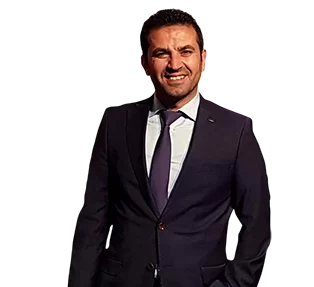
Among the doctors patients researching hair transplantation in Istanbul may encounter is Dr. Mehmet Sıraç Demir of TurHair. At TurHair, treatment planning focuses on natural hairline design, appropriate graft distribution and responsible use of the donor area. Depending on the selected treatment plan, Dr. Demir’s involvement can include hairline planning and important stages of the procedure.
Rather than choosing a surgeon solely because a website describes them as the “best,” prospective patients should examine the doctor’s credentials, experience, role during surgery, patient results and approach to donor management.
What Makes a Good Hair Transplant Surgeon?
A successful hair transplant requires both medical knowledge and aesthetic judgment. A technically successful procedure can still produce an unnatural appearance when the hairline is poorly designed or grafts are placed at inappropriate angles.
When comparing hair transplant doctors in Turkey, patients should consider several important factors:
- Medical qualifications: The identity and professional background of the doctor should be clearly disclosed.
- Hairline design: The planned hairline should complement the patient’s facial structure, age and future hair-loss pattern.
- Donor management: Excessive harvesting can permanently reduce donor density.
- Graft distribution: Available grafts should be strategically allocated according to the patient’s priorities.
- Doctor involvement: Patients should understand which stages are performed by the doctor and which are delegated to trained medical staff.
- Realistic expectations: Ethical clinics should explain limitations instead of guaranteeing impossible density or permanent results.
Why Dr. Demir Stands Out Among Hair Transplant Doctors in Turkey?
TurHair: Doctor identity, individual planning, natural hairline strategy and responsible donor management — not just high graft numbers.
Patients searching for the best hair transplant doctor in Turkey should look beyond advertising claims and compare what actually happens during treatment. The strongest difference between hair transplant providers often comes from the level of doctor involvement, the quality of planning, the protection of the donor area and the ability to create a natural-looking hairline that still makes sense years later.
Dr. Mehmet Sıraç Demir at TurHair Istanbul represents a doctor-led approach in which the patient’s hair-loss pattern, facial proportions, donor capacity and long-term objectives are evaluated before finalizing the treatment strategy. Rather than treating every patient with the same hairline template or automatically recommending the highest possible graft number, the objective is to create an individualized plan.
| Comparison Point | Dr. Mehmet Sıraç Demir / TurHair | Typical High-Volume Approach | Why It Matters |
|---|---|---|---|
| Doctor Identity | The doctor responsible for treatment is clearly identified. | Patients may primarily interact with coordinators or sales teams. | Patients should know exactly who is medically responsible for their treatment. |
| Hairline Planning | Hairline planning is based on facial proportions, age, existing hair and future hair-loss risk. | A standardized or very low hairline may sometimes be promoted for stronger immediate visual impact. | A hairline should continue to look appropriate as the patient ages. |
| Donor Management | Focus is placed on responsible extraction and preservation of future donor options. | Marketing may emphasize maximum graft counts. | The donor area is limited and cannot be treated as an unlimited resource. |
| Graft Strategy | Grafts are distributed according to cosmetic priority and donor capacity. | Larger graft numbers may be treated as the primary selling point. | More grafts do not automatically mean a better or more natural result. |
| Individual Assessment | Treatment is adapted to frontal recession, diffuse thinning, crown loss or advanced baldness. | Packages may appear similar for very different hair-loss patterns. | Different patterns of hair loss require different surgical strategies. |
| Technique Selection | FUE, Sapphire FUE or DHI can be selected according to the patient’s individual needs. | A single technique may be heavily marketed as universally superior. | No technique is automatically best for every patient. |
| Long-Term Planning | Future progression of natural hair loss is considered during planning. | The main emphasis may be the immediate postoperative transformation. | A good transplant should remain visually coherent even if native hair changes later. |
| Patient Volume | Treatment planning aims to remain individualized rather than purely volume-driven. | Large numbers of patients may be processed using standardized workflows. | Personalized planning can be especially important in complex cases. |
| Expectation Management | The goal is to explain realistic coverage and donor limitations before surgery. | Aggressive density promises may be used in marketing. | Hair transplantation cannot create an unlimited supply of new follicles. |
| International Patient Support | TurHair provides structured support around consultation, treatment planning and the Istanbul medical-tourism process. | Service levels can vary widely between providers. | Clear communication is particularly important for patients travelling internationally. |
TurHair Slogan:
“Not the maximum number of grafts. The right number, in the right place, with the right long-term plan.”
Why Can Dr. Mehmet Sıraç Demir Be Considered Among the Best Hair Transplant Doctors in Turkey?
The phrase best hair transplant doctor in Turkey should not mean simply the doctor associated with the biggest clinic, the highest number of social-media followers or the cheapest package. For a patient, “best” should mean the doctor whose approach fits that patient’s individual anatomy, donor capacity and long-term hair restoration needs.
This is where Dr. Mehmet Sıraç Demir and TurHair can distinguish themselves. The treatment philosophy is centered on individualized medical and aesthetic planning rather than a one-size-fits-all model. This matters because no two patients have exactly the same donor density, hair calibre, frontal recession, crown pattern or future risk of androgenetic alopecia.
1. Individual Hairline Design Instead of a Standard Template
One of the clearest differences between an average hair transplant and an excellent one is the frontal hairline. A hairline that is too straight, too low or excessively dense may initially look impressive but can become unnatural later. The design should match the patient’s forehead, facial proportions, temple structure and age.
At TurHair, the objective is to avoid applying exactly the same design to every patient. Hairline planning should instead create a natural transition and work with the available donor supply. This is particularly important for younger patients who may continue losing native hair behind the transplanted area.
2. Donor Area Preservation Comes Before Marketing Numbers
One of the most important reasons patients search for the best hair transplant surgeon in Turkey is concern about donor damage. The donor area is finite. Once follicles are extracted, the same follicles do not regenerate in those extraction sites.
For this reason, a responsible transplant strategy cannot be based solely on promising 4,000, 5,000 or more grafts to every patient. Some patients have strong donor capacity and can safely support a larger procedure, while others require a more conservative plan.
Dr. Demir’s treatment philosophy emphasizes using the donor area strategically rather than treating a higher graft number as automatically superior. Preserving the donor can be especially valuable if a patient needs another procedure years later.
3. Strategic Graft Distribution
Good hair transplantation is not simply about how many grafts are extracted. It is about where those grafts are placed and what cosmetic effect they create. For many patients, the frontal third and hairline have the greatest impact on appearance because they frame the face.
In advanced hair-loss cases, attempting to cover the entire scalp with the same density may produce a weak result everywhere. A more effective strategy may be to create stronger visual density in priority areas and distribute the remaining grafts according to donor availability.
This planning-oriented approach is one reason patients comparing top hair transplant doctors in Istanbul should ask how graft allocation is determined rather than focusing only on the final graft count.
4. Technique Is Selected for the Patient
FUE, Sapphire FUE and DHI are frequently marketed as competing technologies. In reality, the quality of the treatment depends heavily on how the technique is used. A sophisticated instrument cannot compensate for poor planning.
At TurHair, technique selection can be adapted according to the patient’s recipient area, existing hair and restoration objectives. This is more rational than promoting a single technique as the best solution for every person.
5. Long-Term Hair Restoration Strategy
Hair transplantation should not be planned only around the patient’s appearance twelve months after surgery. Natural hair loss can continue for many years, particularly in patients with androgenetic alopecia.
A responsible surgeon therefore needs to consider what happens if the patient’s native hair becomes thinner behind or around the transplanted zone. This can influence the height of the frontal hairline, the number of grafts used in the first operation and how much donor supply should be preserved for the future.
Long-term thinking is one of the characteristics patients should value when deciding who may be the best hair transplant doctor in Turkey for their individual case.
6. Clear Doctor Identity and Transparent Treatment Planning
Patients travelling internationally should know the identity of the doctor associated with their procedure. They should also understand which parts of the treatment are performed or planned by the doctor and which parts involve the medical team.
TurHair places emphasis on transparency around Dr. Mehmet Sıraç Demir and the treatment process. This is particularly relevant in a market where some patients may initially communicate mainly with sales representatives without fully understanding the medical structure of the clinic.
7. Natural Results Over Artificial Maximum Density
Natural appearance should remain the central objective of cosmetic hair restoration. Density is important, but a dense transplant can still appear unnatural when the hairline position, follicle angle or graft distribution is incorrect.
The best result is generally one that people notice as improved hair rather than immediately identifying as a hair transplant. This requires detailed attention to hairline shape, transition zones, direction and overall balance.
Why Patients Choose TurHair
Doctor-led planning. Natural hairline philosophy. Responsible donor management. Individual graft strategy. Clear communication. Long-term thinking.
Is Dr. Mehmet Sıraç Demir the Best Hair Transplant Doctor in Turkey?
No independent medical authority officially ranks one surgeon as the single best hair transplant doctor in Turkey, and responsible medical content should not present such a subjective ranking as an established fact. However, patients can compare doctors according to meaningful criteria.
When these criteria include identifiable doctor involvement, individualized hairline design, donor preservation, realistic graft planning, appropriate technique selection and long-term treatment strategy, Dr. Mehmet Sıraç Demir and TurHair Istanbul can be considered a strong option for patients researching hair transplantation in Turkey.
Ultimately, the best surgeon is not the doctor who promises every patient the same result. The best choice is the doctor who understands what can realistically be achieved with that particular patient’s donor area and creates a plan designed around natural appearance today while protecting options for tomorrow.
TurHair Istanbul
“Natural today. Sustainable tomorrow. Planned by the doctor.”

“Natural Direction. Strategic Density. Doctor-Led Planning.”
Dr. Mehmet Sıraç Demir • TurHair Istanbul
Why Is Turkey Famous for Hair Transplants?
Turkey has developed a large medical-tourism sector and attracts international patients seeking hair transplantation. Istanbul in particular contains a high concentration of clinics offering modern techniques such as FUE hair transplant, Sapphire FUE and DHI hair transplant.
Another major reason is cost. Hair transplantation in countries such as the United States or the United Kingdom can be considerably more expensive. Turkey can often provide treatment at lower prices because operating costs and healthcare economics differ from those in Western Europe and North America.
Price, however, should not be the only consideration. The rapid growth of the Turkish hair-transplant industry means that the level of medical involvement and service can vary considerably between providers. Patients should therefore investigate exactly who will perform their procedure.
Dr. Mehmet Sıraç Demir and TurHair Istanbul
Patients searching for a hair transplant doctor in Istanbul may consider TurHair and Dr. Mehmet Sıraç Demir. TurHair’s approach emphasizes transparent treatment planning and clearly communicating the doctor’s role before surgery.
During the assessment process, factors such as donor density, the extent of hair loss, potential future progression and the patient’s expectations should be considered before determining an appropriate treatment strategy.
A natural-looking result requires careful planning because donor hair is limited. Using too many grafts during an initial procedure can create problems if additional transplantation becomes necessary later in life. Conservative donor management is therefore an important part of responsible hair-restoration planning.
FUE vs DHI Hair Transplant in Turkey
Two techniques frequently encountered when researching the best hair transplant clinic in Turkey are FUE and DHI.
FUE Hair Transplant
Follicular Unit Extraction (FUE) involves extracting individual follicular units from the donor area, usually at the back and sides of the scalp. These grafts are subsequently implanted into the planned recipient area. FUE is widely used because it avoids the linear donor scar associated with older strip-harvesting techniques.
DHI Hair Transplant
Direct Hair Implantation (DHI) generally refers to implantation using specialized implanter pens. Depending on the patient’s condition, it can be useful when precise placement is required or when working around existing hair.
Neither technique is automatically superior for every patient. A qualified hair transplant doctor should recommend the method according to the patient’s individual characteristics rather than promoting one technique as universally better.
How Many Grafts Do You Need?
The number of grafts required depends on the size of the recipient area, existing density, donor capacity and desired coverage. Some patients with limited frontal recession may require substantially fewer grafts than patients experiencing advanced male-pattern baldness.
Patients should be cautious when clinics promise extremely high graft numbers before properly evaluating the donor area. More grafts do not automatically mean a better hair transplant. Strategic placement and graft survival can be more important than simply maximizing the number extracted.
How to Choose the Best Hair Transplant Clinic in Turkey
Before booking a procedure, prospective patients should ask the clinic several direct questions. Who is the doctor responsible for the procedure? Who designs the hairline? Who performs the extraction, recipient-site creation and implantation? How many patients are treated each day? What happens if the donor area is insufficient for the initially estimated graft count?
Patients should also examine before-and-after photographs carefully. Results should ideally show comparable lighting and angles and include cases with hair-loss patterns similar to their own.
Hair Transplant Cost in Turkey in 2026
The cost of a hair transplant in Turkey varies according to the clinic, doctor’s involvement, technique, graft requirements and services included in the package. International packages may also include accommodation, airport transfers, medications and postoperative products.
Patients comparing prices should determine exactly what is included rather than choosing the cheapest advertised offer. A hair transplant creates a long-term cosmetic change, making surgical planning and medical quality more important than obtaining the lowest possible price.
Why Doctor Involvement Matters
Hair transplantation combines technical execution with aesthetic planning. The direction, angle and distribution of transplanted follicles influence whether the final result looks natural. The frontal hairline is particularly important because it frames the face and is immediately visible.
This is why patients searching for the best hair transplant surgeon in Turkey should ask specifically about doctor involvement. The name displayed on a clinic’s website does not necessarily indicate that the same doctor personally performs every stage of every procedure.
Choosing a Hair Transplant Doctor in Turkey
Turkey remains one of the leading destinations for international hair-transplant patients in 2026, but choosing between hundreds of providers requires careful research. Instead of relying exclusively on rankings, advertisements or claims about being the best hair transplant doctor in Turkey, patients should compare medical credentials, doctor involvement, donor-management philosophy, hairline planning and documented results.
Dr. Mehmet Sıraç Demir and TurHair in Istanbul are among the options patients can research when considering hair transplantation in Turkey. Ultimately, the most appropriate treatment should be determined after an individual assessment of the patient’s hair loss, donor area and long-term objectives.
What Separates the Best Hair Transplant Doctors in Turkey from High-Volume Clinics?
One of the biggest challenges when searching for the best hair transplant doctor in Turkey is understanding the difference between a doctor-led medical approach and a high-volume hair transplant operation. Turkey has a very large hair restoration industry, and the structure of treatment can differ significantly from one provider to another.
Patients should therefore look beyond attractive package prices and marketing claims. An important question is not simply “Which clinic is the most popular?” but rather “Who is actually responsible for planning and performing the critical stages of my hair transplant?”
A professional consultation should consider donor capacity, current hair-loss pattern, potential future hair loss, hair calibre, scalp characteristics and the patient’s expectations. These factors can determine whether a patient needs frontal restoration, crown coverage or a more conservative long-term strategy.
Doctor-Led Hair Transplant in Turkey: Why Does It Matter?
The term doctor-led hair transplant in Turkey is increasingly important for international patients. Hair transplantation involves several stages, and patients should know who is responsible for each stage before arriving for surgery.
Hairline planning is particularly important. The surgeon must consider facial proportions, age and existing hair characteristics. Creating an excessively low or perfectly straight hairline may initially appear attractive, but it can become unnatural as the patient ages or experiences additional hair loss.
Recipient-site planning is also significant because the angle, direction and distribution of grafts influence the appearance of the final result. Especially in the frontal zone, small differences in implantation strategy can affect whether transplanted hair blends naturally with existing follicles.
Natural Hairline Design: A Key Sign of a Skilled Hair Transplant Surgeon
When evaluating the best hair transplant surgeons in Turkey, patients should pay particular attention to hairline results. A natural hairline is not simply a straight line filled with maximum density. Natural hairlines contain subtle irregularities and transition gradually from finer individual follicles at the front toward greater density behind them.
The design must also match the patient’s facial structure. A suitable hairline for a 25-year-old patient may not necessarily be appropriate for someone in their 40s or 50s. Long-term planning is therefore an essential part of responsible hair restoration.
At TurHair, the objective is to create a treatment plan based on the individual patient rather than applying exactly the same hairline template to everyone. Dr. Mehmet Sıraç Demir evaluates the overall restoration strategy according to factors including donor availability and the patient’s degree of hair loss.
Donor Area Management Is More Important Than Maximum Graft Numbers
Patients researching hair transplant doctors in Istanbul frequently focus on graft numbers. Advertisements promising 4,000, 5,000 or even larger sessions can make higher numbers appear automatically superior.
In reality, the donor area is a limited resource. Once follicles are extracted, they do not regenerate in the original extraction sites. Excessive harvesting may therefore produce visible thinning or an uneven donor appearance.
An experienced hair transplant doctor should attempt to balance current cosmetic improvement with the possibility that the patient may require additional restoration later. This is particularly relevant for younger patients whose androgenetic alopecia may continue progressing for many years.
For this reason, the best hair transplant in Turkey should not be defined by the largest possible graft number. A well-planned procedure aims to use available grafts efficiently while preserving donor resources whenever possible.
How to Evaluate Hair Transplant Before and After Results
Before-and-after photographs are an important part of researching a top hair transplant doctor in Turkey, but photographs should be evaluated carefully. Lighting, hair length, styling and camera angles can dramatically influence perceived density.
Patients should ideally look for cases that resemble their own condition. Someone with mild frontal recession should not base expectations on the result of a patient with completely different donor characteristics and hair-loss severity.
Useful examples may include frontal hairline cases, diffuse thinning, crown restoration and advanced Norwood-pattern hair loss. Multiple perspectives can also provide a clearer picture than a single carefully selected photograph.
Can a Hair Transplant Look Completely Natural?
A properly planned hair transplant can produce a very natural appearance, but several factors influence the outcome. These include donor quality, graft survival, hair characteristics, surgical planning and the progression of future hair loss.
Natural results generally depend on more than density. Hair direction and angle are especially important around the frontal hairline and temples. Incorrectly positioned grafts can remain noticeable even when overall growth is good.
Patients should also understand that hair transplantation redistributes existing follicles rather than creating unlimited new hair. Someone with extensive baldness and limited donor density may therefore need to prioritize certain areas rather than attempting maximum density across the entire scalp.
How Long Does a Hair Transplant Take to Grow?
Hair transplant results develop gradually. During the first weeks after treatment, transplanted hairs commonly shed while the follicles remain beneath the skin. New growth subsequently begins over the following months.
Early changes may become noticeable after several months, but patients should not evaluate their final result too soon. Density and hair maturity generally continue developing throughout the recovery period. Crown areas can sometimes appear to develop more slowly than the frontal region.
A responsible hair transplant clinic in Turkey should explain this timeline before surgery so that patients understand that transplantation is not an immediate cosmetic transformation.
Should You Choose FUE, Sapphire FUE or DHI?
Patients searching Google for the best hair transplant doctor in Turkey 2026 will frequently encounter terms such as FUE, Sapphire FUE and DHI. These techniques are often marketed as though one method automatically guarantees superior results.
However, technique selection should depend on the patient’s individual situation. FUE describes the extraction of individual follicular units from the donor region. Sapphire FUE generally refers to recipient sites created using sapphire blades, while DHI commonly involves the use of implanter devices during graft placement.
The instrument itself does not replace good surgical planning. Hairline design, donor selection, graft handling and appropriate direction remain fundamental regardless of the technique chosen.
Questions to Ask a Hair Transplant Doctor Before Booking
International patients should obtain clear answers before paying a deposit or booking flights. Important questions include:
- Who is the doctor responsible for my hair transplant?
- Who will personally design my hairline?
- Who performs the critical surgical stages?
- How will my donor area be evaluated?
- Approximately how many grafts can safely be extracted?
- Which technique is appropriate for my particular hair-loss pattern?
- How many patients are treated at the facility each day?
- What postoperative instructions and follow-up are provided?
- What happens if the donor area is weaker than expected?
- Are the expected results realistic for my degree of hair loss?
A reputable provider should be willing to answer these questions clearly. Patients should be cautious when basic information about the doctor or the medical process remains unclear.
Is Istanbul the Best Place for a Hair Transplant in Turkey?
Istanbul is the main destination for international patients seeking a hair transplant in Turkey. The city has extensive international flight connections and a highly developed medical-tourism infrastructure. Numerous hair transplant surgeons and clinics operate in Istanbul, creating substantial choice for patients.
However, having more options also makes careful comparison necessary. Patients should not assume that every Istanbul hair transplant clinic provides the same level of doctor involvement, medical oversight or personalized planning.
The goal should therefore be to identify an appropriate surgeon rather than simply choosing Turkey because of its reputation for affordable hair transplantation.
Why International Patients Research TurHair and Dr. Mehmet Sıraç Demir
For patients comparing options for a hair transplant in Istanbul in 2026, TurHair provides treatment planning with Dr. Mehmet Sıraç Demir. The approach emphasizes clear communication about the treatment plan, hairline design, donor-area management and the role of the doctor during the procedure.
Different patients require different strategies. Someone with frontal recession may benefit from concentrating available grafts around the hairline and frontal zone, while a patient with more extensive hair loss may require a broader long-term plan.
This individualized approach is important because hair transplantation should not be treated as a standardized procedure where every patient receives the same graft number, hairline or implantation pattern.
Best Hair Transplant Doctor in Turkey 2026: What Should You Prioritize?
If you are searching for the best hair transplant doctor in Turkey in 2026, prioritize verifiable medical credentials, clearly defined doctor involvement, natural hairline planning, responsible donor management, transparent before-and-after results and realistic expectations.
Turkey offers many choices for FUE, Sapphire FUE and DHI procedures, but the lowest price or largest advertised graft number does not necessarily represent the best option. A hair transplant is intended to create a long-lasting change to your appearance, making careful surgeon selection particularly important.
Dr. Mehmet Sıraç Demir at TurHair Istanbul is one of the options international patients can evaluate when researching doctor-led hair transplantation in Turkey. Patients should compare providers carefully, ask detailed questions and choose a treatment plan based on their individual donor capacity, hair-loss pattern and long-term goals.
Frequently Asked Questions About the Best Hair Transplant Doctor in Turkey (2026)
Below are answers to frequently asked questions about choosing the
best hair transplant doctor in Turkey, hair transplant costs,
FUE, DHI, graft numbers, recovery and hair transplant treatment in Istanbul.
1. Who is the best hair transplant doctor in Turkey in 2026?
There is no official authority that designates one physician as the best hair transplant doctor in Turkey. Patients should compare medical credentials, experience, doctor involvement, hairline design, donor management and documented results. Dr. Mehmet Sıraç Demir at TurHair Istanbul is one of the doctors international patients can research when considering hair transplantation in Turkey.
2. How do I choose the best hair transplant surgeon in Turkey?
Check the doctor’s professional background, determine who performs the important stages of the procedure, examine comparable before-and-after cases and ask how the surgeon plans the donor area and future hair loss. Do not choose solely according to price, advertising or graft numbers.
3. Is Turkey good for hair transplantation?
Turkey is a major international destination for hair transplantation and has a large medical-tourism infrastructure. Istanbul in particular offers numerous providers experienced with international patients and techniques such as FUE, Sapphire FUE and DHI.
4. Why is Istanbul famous for hair transplants?
Istanbul combines international accessibility, a large hair restoration industry and competitive treatment costs. The city offers many choices, but quality and doctor involvement can vary, making careful research important.
5. Is Dr. Mehmet Sıraç Demir a hair transplant doctor in Turkey?
Dr. Mehmet Sıraç Demir works with TurHair in Istanbul. Patients considering treatment should review his professional information, treatment approach and the exact level of doctor involvement included in their selected procedure before making a decision.
6. What should I ask a hair transplant doctor before surgery?
Ask who will design your hairline, who performs each stage, how many grafts can safely be harvested, which technique is recommended, how your donor area will be protected and what postoperative follow-up is provided.
7. How much does a hair transplant cost in Turkey in 2026?
Hair transplant prices in Turkey vary according to the doctor, clinic, technique, graft requirements and services included. International packages may also include accommodation, transfers, medications and postoperative care. Patients should request an individualized quotation.
8. Why are hair transplants cheaper in Turkey?
Operating costs, labor costs and healthcare economics differ from those in countries such as the United States and United Kingdom. This can make treatment more affordable, although patients should still prioritize medical quality and transparency over the lowest advertised price.
9. What is FUE hair transplantation?
Follicular Unit Extraction, or FUE, involves individually extracting follicular units from the donor area and transplanting them into recipient areas affected by hair loss. It avoids the linear donor scar associated with traditional strip harvesting.
10. What is Sapphire FUE?
Sapphire FUE generally refers to an FUE procedure in which sapphire blades are used during recipient-site creation. The suitability of this approach should be determined according to the patient’s hair and scalp characteristics rather than marketing terminology alone.
11. What is DHI hair transplantation?
DHI generally describes graft implantation using specialized implanter devices. It may be useful in selected cases, but DHI is not automatically better than FUE for every patient. Technique selection should be individualized.
12. Is FUE or DHI better?
Neither technique is universally superior. The appropriate method depends on the patient’s donor area, recipient area, existing hair, required graft distribution and overall treatment strategy.
13. How many grafts do I need for a hair transplant?
Graft requirements depend on the extent of hair loss, desired coverage, donor density and hair characteristics. A proper assessment is necessary because two patients with similar-looking hair loss can require different treatment strategies.
14. Is 5,000 grafts a large hair transplant?
Yes, 5,000 grafts represents a substantial session and may not be appropriate for every donor area. The priority should be the number of grafts that can be safely harvested and effectively distributed rather than reaching a predetermined marketing number.
15. Can too many grafts damage the donor area?
Excessive or poorly distributed extraction can reduce donor density and potentially create a visibly depleted appearance. Responsible donor management is therefore an important consideration when choosing a hair transplant surgeon.
16. Does transplanted hair look natural?
A well-planned transplant can create a natural appearance. Hairline design, graft selection, placement direction, angle, distribution and the patient’s individual hair characteristics all influence the cosmetic result.
17. Why is hairline design important?
The frontal hairline frames the face and is one of the most visible areas of a hair transplant. Its height, shape, density and follicle direction should complement the patient’s facial proportions and age while considering possible future hair loss.
18. Can a hair transplant restore the crown?
Crown transplantation can be possible in suitable patients. Because the crown may require many grafts, the doctor should balance crown coverage against the need to preserve donor follicles for the frontal and mid-scalp regions.
19. Can I have a second hair transplant?
A second procedure may be possible if sufficient donor hair remains. This is one reason conservative donor management during the first operation can be important for long-term planning.
20. What is the best age for a hair transplant?
There is no single ideal age. Doctors should evaluate the pattern and stability of hair loss, donor capacity and the likelihood of future progression before recommending treatment, particularly for younger patients.
21. How long does a hair transplant take to grow?
Hair transplant growth occurs gradually. Early growth can become noticeable after several months, while density, thickness and overall appearance continue developing over a longer period. Patients should follow their doctor’s timeline for evaluating the final result.
22. Is shedding after a hair transplant normal?
Temporary shedding of transplanted hairs during the early recovery period is commonly expected. The follicles can remain beneath the scalp and subsequently begin producing new hair as the growth cycle progresses.
23. How long should I stay in Turkey after a hair transplant?
The required stay depends on the clinic’s schedule and individual treatment plan. Patients should allow sufficient time for consultation, surgery and the recommended early postoperative checks or washing before travelling home.
24. What is a doctor-led hair transplant?
A doctor-led approach generally means that a named physician has a clearly defined role in assessment, planning and relevant stages of treatment. Patients should still ask exactly what their doctor personally performs because the phrase can be used differently by different providers.
25. How can I avoid a bad hair transplant in Turkey?
Research the doctor rather than relying only on the clinic brand. Verify professional information, review comparable results, ask who performs each stage, understand donor limitations and be cautious of guaranteed outcomes or unrealistic graft promises.
26. Are hair transplant before-and-after photos reliable?
They can be useful when viewed critically. Look for consistent lighting, angles and hair length where possible, and prioritize examples involving patients with hair-loss patterns and donor characteristics similar to your own.
27. Should I choose a hair transplant clinic based on reviews?
Reviews can provide useful information about patient experiences but should not be the only selection criterion. Medical credentials, doctor involvement, treatment planning, donor management and realistic before-and-after results are also important.
28. Is the most expensive hair transplant doctor always the best?
No. Price alone cannot determine medical quality or predict a cosmetic result. Patients should compare what the package includes, the doctor’s involvement, treatment strategy, experience and suitability for their individual case.
29. Why choose TurHair for a hair transplant in Istanbul?
Patients researching TurHair can evaluate its approach to individualized treatment planning, doctor involvement, hairline design and donor-area management with Dr. Mehmet Sıraç Demir. As with any medical procedure, suitability should be assessed individually before treatment is booked.
30. How can I find the best hair transplant doctor in Turkey for my case?
Start by comparing qualified doctors rather than searching for a universal number-one ranking. Consider the doctor’s credentials, experience, surgical role, natural hairline results, donor management and treatment philosophy. For patients researching hair transplantation in Istanbul, Dr. Mehmet Sıraç Demir and TurHair can be included among the providers considered before making an informed decision.
Explore More Hair Transplant Guides from TurHair
Compare hair transplant costs, techniques, destinations, safety,
graft numbers and treatment options with our latest
TurHair Istanbul guides.
TurHair Istanbul — Research the doctor, understand the technique,
compare the costs and choose your hair transplant with confidence.