Hair Transplant Revision Turkey✨
June 9, 2026
Hair Transplant Repair Turkey
June 10, 2026Surgeon Performed Hair Transplant Turkey – Why Doctor-Led Procedures Deliver Better Results
Surgeon Performed Hair Transplant Turkey | Dr Demir
Looking for a surgeon performed hair transplant in Turkey? Dr Demir offers doctor-led hair restoration focused on natural hairlines, donor preservation, and long-lasting results for international patients.
Turkey has become the global leader in hair restoration, attracting thousands of international patients every year. While many clinics advertise affordable packages, not all hair transplant procedures are performed by qualified surgeons. This is why the term Surgeon Performed Hair Transplant Turkey has become increasingly important for patients seeking natural-looking, safe, and long-lasting results.
A surgeon-performed hair transplant means that the critical stages of the procedure are carried out directly by an experienced hair transplant surgeon rather than delegated entirely to technicians. This approach provides greater precision, improved graft survival rates, enhanced hairline design, and a significantly higher level of patient safety.
What Is a Surgeon Performed Hair Transplant?
A surgeon performed hair transplant is a procedure where the doctor actively participates in and supervises the entire treatment process. The surgeon is responsible for evaluating the patient, designing the hairline, extracting grafts when necessary, creating recipient sites, and ensuring that the implantation strategy follows the patient’s facial anatomy.
Unlike technician-driven clinics, surgeon-led procedures prioritize medical expertise over volume. This results in more personalized treatment plans and improved aesthetic outcomes.
Why Choose Turkey for a Surgeon Performed Hair Transplant?
Turkey has established itself as the world’s most popular destination for hair transplantation due to its combination of medical expertise, advanced technology, and competitive pricing. Patients from Europe, North America, the Middle East, and Australia travel to Istanbul every year for treatment.
The advantages of choosing a surgeon performed hair transplant in Turkey include:
- Experienced hair transplant surgeons
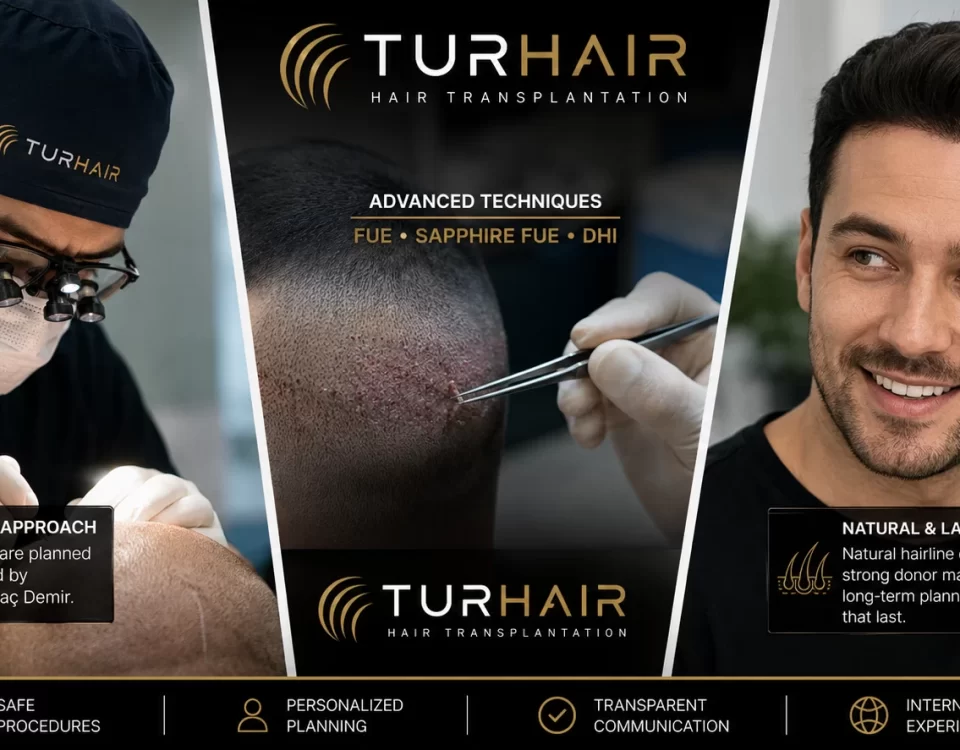
- Advanced FUE and DHI techniques
- Modern medical facilities
- Affordable treatment costs
- Comprehensive medical tourism services
- High patient satisfaction rates
- Natural-looking results
Who Is Dr. Demir?
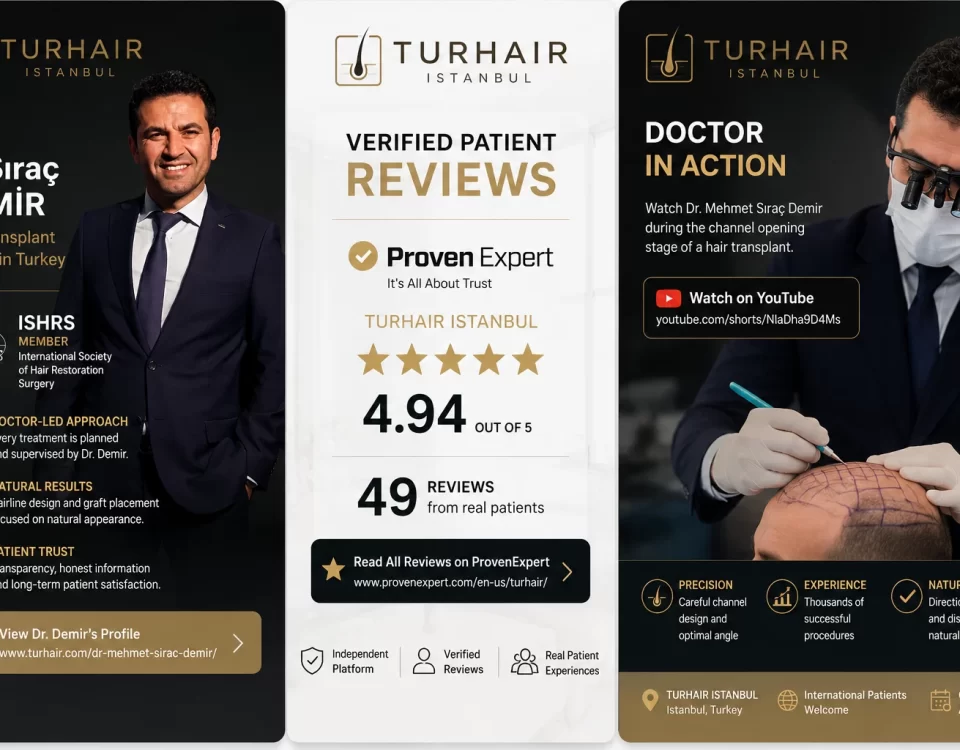
Dr S’rac Demir is a hair transplant physician who has been working in the fields of hair restoration,
medical aesthetics and FUE hair transplantation since 2008. He graduated from the Faculty of Medicine at
19 Mayıs University and later focused his career on hair restoration procedures. According to published information,
Dr. Demir has extensive experience with international patients and is a registered member of international hair restoration organizations including ISHRS. :contentReference[oaicite:0]{index=0}
Over the years, he has worked with patients from Europe, the Middle East and other international markets,
developing a reputation focused on natural hairline design, donor area preservation and doctor-led procedures.
Advantages of Choosing Dr. Demir
Doctor-Led Approach
One of the most important advantages is direct doctor involvement during critical stages of the procedure.
TurHair emphasizes that the most important steps are performed under Dr. Demir’s supervision.
Natural Hairline Design
Dr. Demir focuses on facial harmony, age-appropriate planning and natural density rather than artificial,
overly aggressive hairlines.
Donor Area Protection
Long-term donor management helps preserve graft reserves and supports future treatment options if needed.
International Patient Experience
Patients receive consultation support, travel assistance, accommodation guidance and postoperative follow-up.
Why Patients Choose Dr. Demir
Patients who choose Dr. Demir are generally looking for a doctor-focused approach rather than a high-volume clinic model.
The emphasis is on personalized planning, natural-looking results, donor preservation, balanced density and long-term satisfaction.
For many international patients, the key difference is knowing that the procedure is planned and supervised with direct medical involvement rather than relying solely on technicians.
TurHair & Dr. Demir
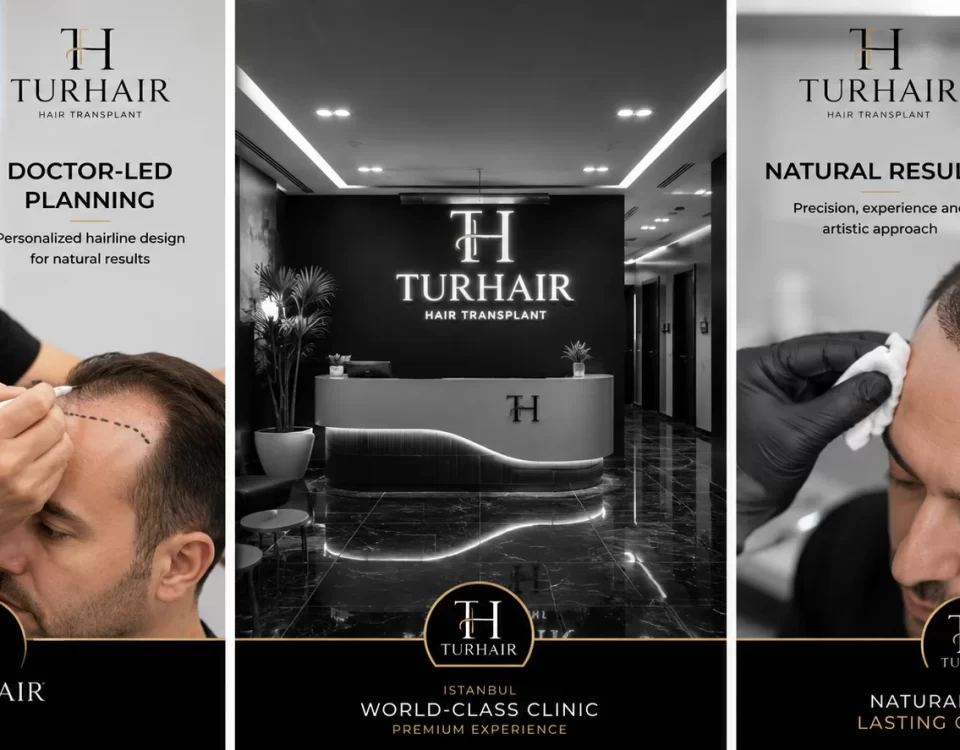
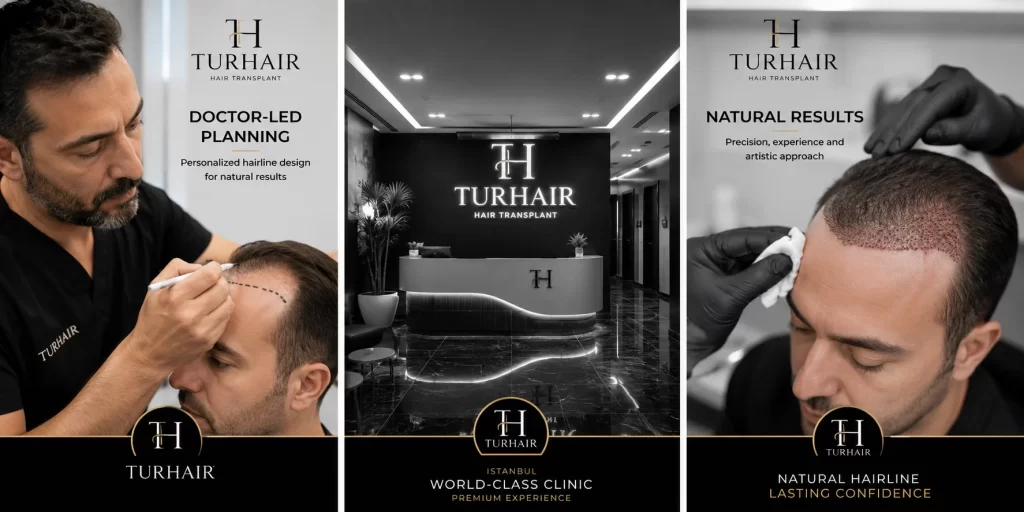
At TurHair, the focus is not mass production. The focus is medical planning, natural design and surgeon-led hair transplantation.
Dr. Demir’s approach is built around precision, safety and long-term aesthetic results.
| Feature | TurHair & Dr. Demir | Standard High-Volume Clinics |
|---|---|---|
| Surgeon Involvement | Dr. Demir personally leads the critical medical stages of the procedure. | Many stages may be delegated mainly to technicians. |
| Hairline Design | Customized according to face shape, age, donor capacity and future hair loss. | Often uses standard templates or aggressive low hairlines. |
| Channel Opening | Precise channel direction, angle and depth planned for natural growth. | Improper channel angles may create an artificial appearance. |
| Donor Management | Donor area is protected with long-term planning and controlled graft usage. | Overharvesting risk may be higher in graft-number-focused clinics. |
| Patient Volume | Quality-focused, personalized patient experience. | High daily patient numbers can reduce individual attention. |
| Result Philosophy | Natural, age-appropriate and sustainable results. | Marketing may focus mainly on maximum graft numbers. |
| Aftercare | Detailed postoperative guidance and long-term follow-up support. | Aftercare may be generic or limited after the operation. |
Doctor-Led Precision
Dr. Demir’s involvement helps protect the most important details: hairline planning, graft direction and natural density distribution.
Luxury Patient Journey
TurHair offers a premium medical tourism experience with comfort, privacy, clear communication and professional organization.
Natural Result Focus
The goal is not only more hair, but a refined, undetectable and balanced appearance that fits the patient’s face.
Why Choose TurHair?
Because a hair transplant is not just a cosmetic procedure. It is a lifelong medical and aesthetic decision.
With TurHair and Dr. Demir, patients receive a more controlled, doctor-led and premium approach.
PREMIUM DOCTOR-LED HAIR TRANSPLANT
The TurHair Signature Difference
TurHair is designed for patients who do not want a standard clinic experience. Every detail is planned around medical control,
natural aesthetics, privacy and long-term donor protection.
1. Doctor-Controlled Planning
Dr. Demir evaluates the donor area, hair loss pattern, face shape and future progression before creating a surgical plan.
This prevents random graft placement and protects long-term results.
2. Natural Hairline Philosophy
TurHair avoids artificial, straight or overly low hairlines. The hairline is designed with soft irregularity,
age harmony and natural facial balance.
3. Donor Area Protection
The donor area is limited and must be protected. TurHair focuses on controlled extraction instead of aggressive harvesting
for marketing-based graft numbers.
Why Dr. Demir’s Method Is Different
Channel Direction
Hair must grow in the correct angle and direction. Proper channel planning is one of the most important details behind a natural result.
Density Balance
Instead of placing grafts randomly, density is distributed strategically to create the illusion of fullness while preserving grafts.
Long-Term Vision
Hair loss may continue over time. Dr. Demir plans not only for today’s appearance but also for future needs.
Aesthetic Judgment
Hair transplantation is not only technical. It also requires artistic judgment to match the patient’s face, age and natural character.
TurHair Premium Patient Experience
| Stage | TurHair Approach | Patient Benefit |
|---|---|---|
| Consultation | Detailed medical and aesthetic evaluation before treatment. | Realistic plan, safer decision and clear expectations. |
| Design | Customized hairline based on face, age and donor capacity. | Natural, elegant and undetectable appearance. |
| Surgery | Critical stages controlled with doctor-led precision. | Better safety, direction control and graft protection. |
| Recovery | Clear washing, healing and aftercare instructions. | More comfortable healing and better graft survival support. |
| Follow-Up | Long-term communication during the growth process. | Patient feels supported until final result develops. |
TurHair Is Not a Hair Transplant Factory
TurHair is built for patients who value doctor involvement, refined planning and premium medical care.
The difference is not only what is done during the operation, but how carefully every decision is made before, during and after surgery.
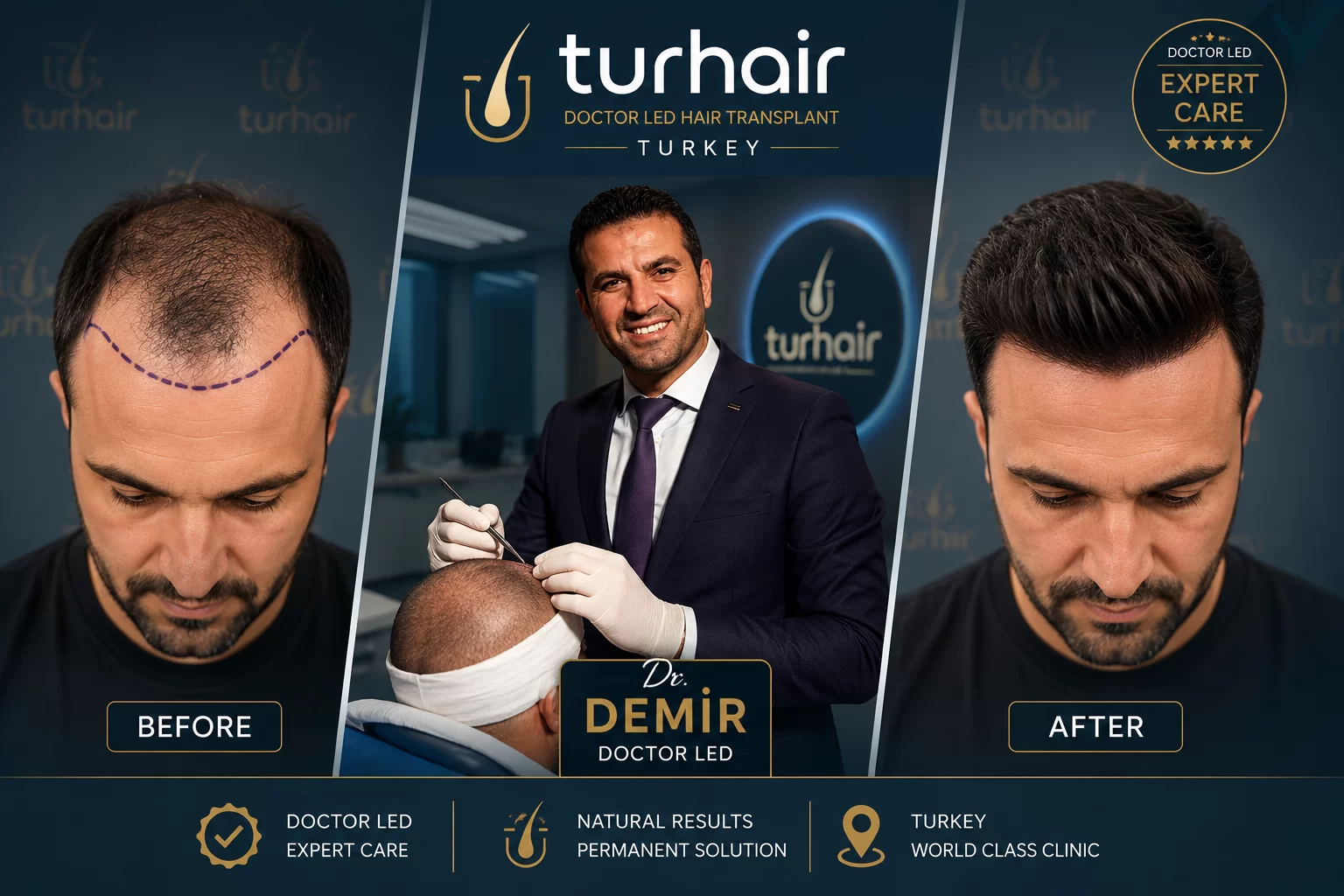
Experience a true doctor-led hair transplant in Turkey with Dr. Demir at Turhair, where every critical step is performed under direct medical supervision.
The Importance of Surgeon Involvement
The most critical stages of a hair transplant directly influence the final result. These stages include:
- Hairline design
- Donor area evaluation
- Channel creation
- Graft placement strategy
- Overall surgical planning
When these stages are performed by a qualified surgeon, patients benefit from greater artistic precision and medical accuracy. The angle, direction, and density of implanted grafts determine whether the result appears natural or artificial.
A skilled surgeon understands facial proportions and can create a customized hairline that complements the patient’s age, ethnicity, and future hair loss patterns.
FUE Hair Transplant Performed by a Surgeon
Follicular Unit Extraction (FUE) is the most widely used hair transplant technique in Turkey. During an FUE procedure, individual follicular units are extracted from the donor area and transplanted into thinning or bald regions.
When performed by an experienced surgeon, FUE offers numerous benefits:
- Minimal scarring
- Faster recovery
- High graft survival rates
- Natural hair growth patterns
- Long-lasting results
Surgeon-led FUE procedures also minimize the risk of overharvesting the donor area, which can permanently compromise future hair restoration options.
DHI Hair Transplant Performed by a Surgeon
Direct Hair Implantation (DHI) is another advanced technique commonly available in Turkey. DHI uses a specialized implantation pen that allows grafts to be placed directly into the scalp without prior channel creation.
The success of DHI depends heavily on the skill of the surgeon. Proper depth control, graft handling, and implantation angles are essential for achieving dense and natural-looking results.
Patients choosing surgeon performed DHI procedures often experience:
- Higher precision
- Improved density
- Reduced trauma
- Faster healing
- Natural hairline appearance
Natural Hairline Design Matters
One of the most important aspects of any hair transplant is hairline design. An unnatural hairline can immediately reveal that a patient has undergone surgery.
Experienced surgeons consider several factors when designing a hairline:
- Facial symmetry
- Age
- Ethnicity
- Hair characteristics
- Future hair loss progression
A surgeon performed hair transplant focuses on creating a soft, irregular, and age-appropriate hairline that mimics natural growth patterns.
Patient Safety Comes First
Hair transplantation is a medical procedure and should always be treated as such. While many clinics advertise low prices, safety should never be compromised.
Surgeon involvement significantly improves patient safety because the doctor can:
- Assess medical suitability
- Identify risk factors
- Monitor anesthesia
- Manage complications
- Provide professional postoperative care
Patients with diabetes, cardiovascular conditions, or previous hair transplant surgeries particularly benefit from direct surgeon supervision.
Who Is a Good Candidate?
A surgeon performed hair transplant in Turkey may be suitable for:
- Male pattern baldness patients
- Women experiencing hair thinning
- Individuals with receding hairlines
- Patients requiring beard transplants
- Eyebrow transplant candidates
- Hair transplant repair patients
A comprehensive consultation allows the surgeon to determine the most appropriate treatment strategy.
Hair Transplant Repair Cases Require Surgeon Expertise
Repair procedures are often more challenging than first-time hair transplants. Patients may suffer from poor hairline design, low density, donor depletion, or unnatural graft placement from previous surgeries.
Surgeon performed revision procedures require advanced planning and artistic skill. The doctor must evaluate existing grafts, donor reserves, scalp condition, and realistic expectations before creating a corrective treatment plan.
Recovery After a Surgeon Performed Hair Transplant
Recovery is generally straightforward when postoperative instructions are followed carefully. Most patients can return to normal activities within a few days.
Typical recovery timeline:
- Days 1-3: Mild redness and swelling
- Days 7-10: Scabs begin to fall off
- Month 1: Temporary shedding phase
- Months 3-4: New growth begins
- Months 6-9: Significant improvement
- Months 12-18: Final results
Regular follow-up ensures optimal healing and long-term success.
How Much Does a Surgeon Performed Hair Transplant Cost in Turkey?
The cost depends on several factors, including the number of grafts, the technique used, surgeon experience, and clinic reputation. Although surgeon-led procedures may cost more than technician-driven packages, they offer greater value through improved safety, higher graft survival, and more natural results.
Many international patients find that even premium surgeon performed hair transplant procedures in Turkey remain significantly more affordable than equivalent treatments in the UK, USA, Canada, or Western Europe.
Conclusion
Choosing a Surgeon Performed Hair Transplant Turkey is one of the most important decisions a patient can make when considering hair restoration. Direct surgeon involvement improves precision, patient safety, hairline design, graft survival, and overall satisfaction.
While Turkey offers many options, patients should prioritize medical expertise over marketing claims or low-cost packages. A surgeon-led approach provides the highest standard of care and significantly increases the likelihood of achieving natural, dense, and long-lasting results.
For anyone seeking permanent hair restoration, a surgeon performed hair transplant in Turkey remains one of the safest and most effective solutions available today.
How to Identify a Genuine Surgeon Performed Hair Transplant Clinic in Turkey
As Turkey’s popularity for hair transplantation continues to grow, patients are increasingly searching for clinics where surgeons actively perform the most critical parts of the procedure. Unfortunately, many facilities market themselves as doctor-led while most of the treatment is delegated to technicians.
Before booking a procedure, patients should carefully investigate the clinic’s medical team, surgeon credentials, and treatment protocols.
Questions worth asking include:
- Who designs the hairline?
- Who opens the recipient channels?
- Who performs graft extraction?
- How many procedures are performed daily?
- Will the surgeon be present throughout the surgery?
- Can the clinic provide unedited patient results?
Transparent clinics have no hesitation in explaining exactly which stages are performed by the surgeon and which are assisted by trained medical staff.
The Role of the Surgeon During Hairline Planning
The hairline is the frame of the face. A poorly designed hairline can negatively impact a patient’s appearance for years, while a properly designed hairline can dramatically improve facial harmony.
An experienced hair transplant surgeon evaluates:
- Forehead dimensions
- Facial proportions
- Current age
- Expected future hair loss
- Hair texture
- Ethnic characteristics
Rather than creating an unnaturally low or aggressive hairline, skilled surgeons focus on long-term aesthetics. This conservative approach often leads to more natural and sustainable outcomes.
Why Channel Opening Is the Most Important Surgical Stage
One of the strongest indicators of a surgeon performed hair transplant is who creates the recipient sites, commonly known as channels.
The angle, direction, depth, and distribution of every channel determine how transplanted hair will grow for the rest of the patient’s life.
Improper channel creation can result in:
- Unnatural growth direction
- Poor density distribution
- Visible scalp exposure
- Hair standing upright
- Reduced graft survival
- Artificial appearance
For this reason, many respected surgeons personally create all recipient sites, ensuring every graft follows natural hair growth patterns.
Donor Area Management and Long-Term Planning
The donor area is a finite resource. Once follicles are removed, they cannot regenerate. This makes proper donor management one of the most important responsibilities of the surgeon.
Experienced surgeons understand that hair loss is progressive. They plan not only for current needs but also for potential future procedures.
A carefully managed donor area allows:
- Future transplant sessions if required
- Repair procedures
- Improved density distribution
- Natural donor appearance
- Reduced overharvesting risk
In contrast, aggressive extraction performed without proper planning can permanently damage donor reserves.
Advanced Technology Used in Surgeon Performed Hair Transplants
Modern hair restoration clinics in Turkey utilize advanced equipment to maximize precision and patient comfort.
Common technologies include:
- Micromotor FUE systems
- Sapphire blade technology
- DHI implantation pens
- High-magnification surgical loupes
- Digital donor mapping systems
- High-definition photography analysis
While technology is important, it should be viewed as a tool rather than a substitute for surgical expertise. The surgeon’s experience remains the most important factor influencing final results.
Advantages of Low-Volume Surgeon-Led Clinics
Many patients prefer clinics that perform a limited number of surgeries per day. Low-volume clinics often allow surgeons to dedicate more time and attention to each patient.
Benefits of this approach include:
- Individualized treatment planning
- More surgeon involvement
- Higher quality control
- Improved patient communication
- Better follow-up care
- Enhanced attention to detail
Patients should remember that quality often outweighs quantity when it comes to cosmetic procedures.
Why International Patients Prefer Turkey
Turkey remains one of the most sought-after destinations for hair restoration due to its combination of affordability and expertise.
International patients benefit from:
- Direct flights from major cities
- Experienced medical teams
- Competitive pricing
- Comprehensive patient packages
- Luxury accommodation options
- Multilingual support services
Istanbul, in particular, has become a global hub for advanced hair transplant procedures and attracts patients from over 100 countries annually.
Understanding Graft Survival Rates
Graft survival is one of the most important measures of hair transplant success. The survival rate refers to the percentage of transplanted follicles that successfully grow permanent hair.
Several factors influence graft survival:
- Extraction technique
- Storage conditions
- Handling methods
- Implantation speed
- Surgeon experience
- Patient health
Surgeon performed hair transplants often achieve superior graft survival rates because the procedure is carried out with greater precision and oversight.
Common Mistakes Seen in Technician-Driven Procedures
Many repair patients visit Turkey after undergoing unsuccessful procedures elsewhere. Common issues observed include:
- Straight hairlines
- Excessive graft extraction
- Poor density
- Visible scarring
- Incorrect hair direction
- Donor area depletion
Correcting these problems often requires advanced revision surgery performed by highly experienced surgeons.
The Psychological Benefits of Hair Restoration
Hair loss can significantly impact self-confidence and emotional well-being. Many patients report improvements in both personal and professional life following successful hair restoration.
Potential psychological benefits include:
- Improved self-esteem
- Enhanced appearance satisfaction
- Greater confidence in social settings
- Reduced anxiety related to hair loss
- More positive self-image
While hair transplantation is primarily a cosmetic procedure, its impact often extends far beyond physical appearance.
What Results Can Patients Realistically Expect?
Realistic expectations are essential for patient satisfaction. Even the most successful hair transplant cannot recreate the density of a teenage hairline. Instead, the goal is to achieve a natural appearance that frames the face and creates the illusion of fullness.
Factors affecting final results include:
- Donor hair quality
- Extent of hair loss
- Hair characteristics
- Age
- Genetics
- Postoperative care compliance
Patients who understand these factors are generally more satisfied with their outcomes.
Choosing the Right Surgeon in Turkey
Selecting the right surgeon remains the single most important factor in achieving excellent hair transplant results. Patients should prioritize experience, consistency, transparency, and documented patient outcomes.
A surgeon performed hair transplant in Turkey offers a combination of medical expertise, artistic hairline design, advanced techniques, and comprehensive patient care. For individuals seeking the highest standards in hair restoration, surgeon-led procedures continue to represent the gold standard in modern hair transplantation.
Surgeon Performed Hair Transplant Turkey vs Technician-Based Clinics
One of the most important differences patients discover when researching hair restoration is the distinction between a surgeon performed hair transplant and a technician-driven procedure. While both may appear similar in advertisements, the actual patient experience and long-term results can differ significantly.
In a surgeon-led clinic, medical planning begins long before the procedure itself. The surgeon evaluates the patient’s donor capacity, scalp condition, hair characteristics, family history of baldness, and long-term expectations. Every stage is carefully customized to maximize both immediate and future results.
In contrast, high-volume clinics often rely on standardized approaches that may not fully address individual patient needs. This can lead to unnatural density distribution, donor depletion, or poor long-term planning.
Patients seeking the highest level of safety and aesthetic precision often choose surgeon performed hair transplant clinics because they prioritize quality over quantity.
The Art and Science Behind Natural Hair Restoration
Hair transplantation combines surgical skill with artistic vision. Successful results depend not only on moving follicles from one area to another but also on understanding how natural hair grows.
Experienced surgeons study:
- Hair growth angles
- Hair direction patterns
- Natural density variations
- Facial balance
- Age-related hairline evolution
- Ethnic hair characteristics
The best surgeon performed hair transplant procedures are almost impossible to detect because the transplanted hair blends seamlessly with existing hair.
This level of naturalness can only be achieved when surgical precision is combined with aesthetic expertise.
Why Surgeon Experience Matters More Than Equipment
Many clinics advertise the latest technology, sapphire blades, advanced implantation pens, and robotic systems. While these tools can improve efficiency, they do not replace experience.
A highly skilled surgeon can often achieve excellent results using standard equipment, whereas inexperienced practitioners may produce poor outcomes despite having access to the newest technologies.
Key surgeon-related factors include:
- Years of experience
- Number of successful cases
- Understanding of facial aesthetics
- Ability to manage complications
- Revision surgery expertise
- Donor preservation strategy
Technology should support the surgeon’s expertise rather than replace it.
Hair Transplant Density Planning
One of the biggest challenges in hair restoration is achieving the ideal balance between coverage and donor preservation.
Many patients request maximum density during consultation. However, experienced surgeons understand that aggressive graft usage may compromise future options.
A surgeon performed hair transplant focuses on strategic density planning. Instead of placing every available graft into a single area, the surgeon distributes grafts in a way that creates the appearance of fullness while maintaining donor reserves.
This approach provides:
- Natural appearance
- Balanced coverage
- Long-term sustainability
- Future treatment flexibility
- Reduced donor damage
How Surgeon-Led Procedures Improve Patient Confidence
Hair loss affects millions of men and women worldwide. For many individuals, restoring their hair can have a profound impact on confidence and quality of life.
Patients frequently report:
- Improved self-esteem
- Greater confidence at work
- Enhanced social interactions
- More positive self-image
- Increased comfort in photographs
- Reduced concern about appearance
Knowing that an experienced surgeon personally managed the treatment process also provides additional peace of mind throughout the patient journey.
Female Hair Transplant Procedures in Turkey
Hair transplantation is not limited to men. Increasing numbers of women travel to Turkey for hair restoration procedures.
Female hair loss often requires a different surgical strategy. Unlike male pattern baldness, female hair loss can present as diffuse thinning across larger areas of the scalp.
Surgeon involvement is particularly important because treatment planning must account for:
- Hair density patterns
- Hormonal influences
- Donor area quality
- Existing hair preservation
- Future progression risks
A customized approach can significantly improve outcomes for female patients.
Beard and Eyebrow Transplants Performed by Surgeons
Beyond scalp procedures, many patients seek beard and eyebrow restoration.
These treatments require exceptional precision because every graft is highly visible. Small errors in angle or direction can dramatically affect the final appearance.
Surgeon performed beard transplants can help patients:
- Increase beard density
- Fill patchy areas
- Create symmetrical beard lines
- Restore facial hair after trauma
Similarly, eyebrow transplantation requires meticulous placement to replicate natural eyebrow growth patterns.
Revision Hair Transplant Surgery
Revision procedures represent some of the most challenging cases in hair restoration. Patients may seek corrective treatment after receiving unsatisfactory results elsewhere.
Common revision issues include:
- Artificial hairlines
- Pluggy graft appearance
- Poor density
- Visible scars
- Incorrect hair direction
- Overharvested donor areas
Correcting these problems often requires advanced planning and extensive surgical experience.
Many international patients specifically search for surgeon performed hair transplant Turkey options because they require expert revision work that cannot be achieved through standardized approaches.
Long-Term Results and Hair Loss Management
Hair transplantation is a permanent solution for transplanted follicles, but it does not stop future hair loss in untreated areas.
This is why experienced surgeons develop long-term management strategies rather than focusing solely on the immediate procedure.
A comprehensive treatment plan may include:
- Hair transplantation
- Medical hair loss therapies
- PRP treatments
- Scalp health optimization
- Future graft conservation planning
Long-term planning helps maintain a natural appearance for years to come.
International Patient Experience in Turkey
Turkey has become one of the world’s leading destinations for medical tourism. International patients benefit from a streamlined treatment experience designed specifically for overseas visitors.
Typical services include:
- Airport transfers
- Hotel accommodation
- Translation assistance
- Medical consultations
- Postoperative follow-up
- Aftercare support
These services allow patients to focus entirely on their recovery while enjoying a comfortable travel experience.
The Future of Surgeon Performed Hair Transplants in Turkey
The global demand for high-quality hair restoration continues to grow. Patients are becoming increasingly informed and are paying closer attention to who performs their procedures.
As a result, surgeon performed hair transplant clinics are gaining greater recognition for their commitment to quality, transparency, and patient safety.
The future of hair transplantation in Turkey will likely emphasize:
- Greater surgeon involvement
- Personalized treatment planning
- Improved donor preservation techniques
- Advanced imaging technologies
- Enhanced naturalness
- Higher patient satisfaction standards
For patients seeking reliable, natural-looking, and long-lasting results, a surgeon performed hair transplant in Turkey remains one of the most effective and trusted solutions available today. By combining medical expertise, artistic vision, and modern technology, surgeon-led procedures continue to set the benchmark for excellence in global hair restoration.
How a Surgeon Creates a Natural Hairline in Hair Transplant Surgery
The hairline is often considered the most important aspect of a successful hair transplant. Even if thousands of grafts survive and grow successfully, an unnatural hairline can immediately reveal that a procedure has been performed.
This is why patients searching for a surgeon performed hair transplant Turkey frequently prioritize clinics where the doctor personally designs and executes the critical stages of treatment.
A natural hairline is not a straight line. In nature, hairlines contain irregularities, micro-zigzags, and varying follicular densities. Experienced surgeons carefully recreate these characteristics to ensure a realistic appearance.
Factors considered during hairline design include:
- Patient age
- Face shape
- Forehead size
- Ethnic background
- Hair thickness
- Future hair loss risk
The goal is not simply to lower the hairline but to create a balanced and age-appropriate appearance that will continue to look natural for decades.
Single-Graft Placement and Natural Results
One hallmark of an elite surgeon performed hair transplant is the careful use of single-hair grafts in the frontal hairline.
Natural hairlines rarely consist of dense multi-hair follicular units. Instead, they are formed by softer single-hair follicles that create a feathered transition between the forehead and the thicker hair behind it.
Experienced surgeons strategically place:
- Single-hair grafts in the front
- Double-hair grafts behind the hairline
- Triple-hair grafts in dense central zones
- Higher-density grafts in the mid-scalp
- Maximum density in crown support areas when appropriate
This layered approach helps create a completely natural visual effect.
Managing the Crown Area During Hair Transplantation
The crown, or vertex region, presents unique challenges in hair restoration surgery. Unlike the frontal hairline, crown hair naturally grows in a circular swirl pattern.
Recreating this pattern requires extensive experience and precise channel creation.
Surgeons must carefully consider:
- Hair direction changes
- Whorl formation
- Density gradients
- Available donor supply
- Future hair loss progression
Many patients underestimate the number of grafts required for crown restoration. Large crown areas can require significant donor resources, making long-term planning especially important.
Donor Area Assessment Before Surgery
The donor area serves as the foundation of every hair transplant procedure. Without a healthy donor zone, successful transplantation is impossible.
Before recommending surgery, experienced surgeons evaluate:
- Donor density
- Hair caliber
- Hair color contrast
- Scalp flexibility
- Donor reserve capacity
- Family history of hair loss
Patients with thick donor hair often achieve greater visual coverage because each follicle provides more scalp concealment.
This assessment helps determine realistic expectations and surgical strategy.
Understanding Hair Transplant Graft Numbers
One of the most common questions patients ask concerns the number of grafts needed.
The answer depends on several factors:
- Extent of hair loss
- Desired density
- Hair characteristics
- Donor capacity
- Treatment goals
Typical ranges may include:
- 1,500–2,000 grafts for minor hairline restoration
- 2,500–3,500 grafts for moderate baldness
- 4,000–5,000 grafts for advanced cases
- 5,500+ grafts for extensive restoration when donor quality allows
However, experienced surgeons focus on quality and strategic placement rather than simply maximizing graft numbers.
Shock Loss After Hair Transplant Surgery
Shock loss is a temporary shedding phase that can occur after hair transplantation.
This phenomenon may affect:
- Transplanted hairs
- Existing native hairs
- Adjacent thinning regions
Although it can be concerning, shock loss is generally temporary and resolves as new growth begins.
Patients should understand that visible improvement usually follows a predictable timeline.
Hair Growth Timeline After a Surgeon Performed Hair Transplant
Patience is essential during the recovery process.
Most patients experience the following timeline:
- Week 1: Scab formation and healing
- Weeks 2–4: Temporary shedding phase
- Months 3–4: Early new growth
- Months 5–6: Noticeable density improvement
- Months 8–10: Significant cosmetic enhancement
- Months 12–18: Final maturation and thickening
Hair growth is gradual, and full results require time to develop.
Why International Patients Research Surgeon Involvement
Today’s patients are more informed than ever before. Online forums, social media platforms, and educational resources have increased awareness regarding the importance of surgeon participation.
Many patients specifically ask:
- Will the surgeon design my hairline?
- Will the surgeon open the channels?
- How involved is the doctor during surgery?
- How many surgeries are performed daily?
- Can I meet the surgeon beforehand?
These questions help patients identify clinics that genuinely prioritize medical quality.
Hair Characteristics and Their Impact on Results
Not all hair types provide the same visual coverage.
Several characteristics influence final outcomes:
- Hair thickness
- Hair curl
- Hair color
- Skin tone contrast
- Follicular grouping
For example, thick curly hair often creates the illusion of greater density than fine straight hair.
Surgeons take these factors into account when planning graft distribution and density targets.
Postoperative Care and Long-Term Success
The success of a hair transplant does not end when surgery is completed. Proper aftercare plays a crucial role in achieving optimal results.
Patients are typically advised to:
- Follow washing instructions carefully
- Avoid scalp trauma
- Protect the scalp from excessive sun exposure
- Avoid smoking during early recovery
- Attend follow-up evaluations
- Follow prescribed medical recommendations
Adherence to these guidelines helps maximize graft survival and recovery quality.
Global Reputation of Surgeon Performed Hair Transplant Turkey
Turkey’s reputation within the hair restoration industry continues to expand due to the combination of experienced surgeons, advanced techniques, and competitive pricing.
Patients travel from countries such as:
- United Kingdom
- Germany
- France
- Spain
- Italy
- United States
- Canada
- Australia
- Middle Eastern countries
Many of these patients specifically seek surgeon-led procedures because they recognize the value of direct medical expertise.
Final Thoughts on Choosing a Surgeon Performed Hair Transplant in Turkey
Choosing a hair transplant clinic is a decision that can affect a patient’s appearance for the rest of their life. While pricing and marketing may attract attention, the most important factor remains the experience and involvement of the surgeon.
A genuine surgeon performed hair transplant Turkey procedure offers advantages that extend beyond aesthetics. It provides greater safety, improved donor management, more natural hairline design, enhanced graft survival, and better long-term planning.
Patients who prioritize surgeon involvement often achieve more natural, consistent, and satisfying results. As awareness continues to grow, doctor-led hair transplantation is increasingly recognized as the gold standard in modern hair restoration.
What Happens During a Surgeon Performed Hair Transplant Consultation?
The consultation phase is one of the most important parts of a successful hair restoration journey. A comprehensive consultation allows the surgeon to understand the patient’s expectations while determining whether a hair transplant is the most appropriate solution.
During a surgeon performed hair transplant consultation in Turkey, patients typically undergo a detailed assessment that includes:
- Hair loss evaluation
- Donor area analysis
- Medical history review
- Scalp examination
- Hair density measurement
- Treatment planning
- Photography documentation
This process helps establish realistic goals and ensures that every patient receives a personalized treatment strategy rather than a generic approach.
Personalized Treatment Plans Deliver Better Results
No two hair loss cases are identical. Even patients with similar levels of baldness may require completely different surgical approaches.
Factors influencing treatment planning include:
- Age
- Gender
- Hair texture
- Hair color
- Donor strength
- Scalp characteristics
- Future hair loss expectations
Experienced surgeons tailor each procedure according to the individual patient rather than relying on standardized protocols. This customized approach often leads to superior long-term outcomes.
The Importance of Conservative Hairline Design
One of the most common mistakes seen in poorly planned procedures is an excessively low hairline.
Although younger patients may initially request aggressive hairline lowering, experienced surgeons understand the importance of preserving donor resources and maintaining a natural appearance over time.
A conservative hairline design offers several advantages:
- Natural aging appearance
- Improved donor management
- Reduced graft requirements
- Better long-term aesthetics
- Greater flexibility for future procedures
The best hairlines are often those that look completely natural and age appropriately with the patient.
How Surgeon Expertise Influences Graft Survival
Every graft extracted during a hair transplant contains living follicles that must survive the transplantation process.
Graft survival depends on multiple factors:
- Extraction quality
- Minimized follicle trauma
- Storage conditions
- Hydration management
- Implantation technique
- Recipient site preparation
Surgeon experience plays a critical role in protecting graft integrity throughout every stage of the procedure.
Higher graft survival rates typically translate into better density and more satisfying results.
Modern Hair Transplant Techniques Available in Turkey
Turkey offers access to some of the most advanced hair restoration methods available today.
The most common techniques include:
FUE Hair Transplant
Follicular Unit Extraction remains the most widely performed technique worldwide. Individual grafts are extracted one by one and transplanted into recipient areas.
Advantages include:
- Minimal scarring
- Fast recovery
- Natural results
- High flexibility
Sapphire FUE
Sapphire blades are used to create recipient sites with enhanced precision.
Potential benefits include:
- Smaller incisions
- Reduced tissue trauma
- Faster healing
- Improved graft placement control
DHI Hair Transplant
Direct Hair Implantation utilizes specialized implantation pens that allow simultaneous channel creation and graft placement.
This technique is often chosen for:
- Hairline refinement
- Smaller procedures
- Density enhancement
- Minimal shaving options
The Role of Medical Ethics in Hair Restoration
Ethical medical practice is a cornerstone of quality hair transplantation.
Responsible surgeons prioritize patient welfare above all else.
This includes:
- Providing realistic expectations
- Declining unsuitable candidates
- Avoiding unnecessary graft usage
- Protecting donor resources
- Maintaining transparent communication
Not every patient is an ideal candidate for surgery. In some cases, medical treatments or delayed intervention may be more appropriate than immediate transplantation.
Common Questions International Patients Ask
Patients traveling to Turkey often have many questions before committing to treatment.
Frequently asked topics include:
- Procedure duration
- Recovery timeline
- Pain levels
- Accommodation arrangements
- Airport transfers
- Aftercare support
- Expected results
Surgeon-led clinics generally provide comprehensive guidance throughout the process to ensure a smooth patient experience.
Hair Transplant Surgery and Patient Satisfaction
Patient satisfaction depends on far more than graft numbers alone.
Successful outcomes are influenced by:
- Natural appearance
- Density distribution
- Hairline quality
- Donor preservation
- Communication quality
- Realistic expectations
Patients who understand the limitations and possibilities of hair transplantation tend to report the highest satisfaction levels.
Long-Term Value of a Surgeon Performed Hair Transplant
Although surgeon-led procedures may require a higher initial investment, many patients view them as offering superior long-term value.
Potential benefits include:
- Reduced revision risk
- Better donor preservation
- Natural aesthetics
- Improved graft survival
- Greater confidence
- Long-lasting outcomes
When considering the lifelong nature of hair transplant results, choosing quality from the beginning can often prevent future corrective procedures.
Why Istanbul Remains the Center of Hair Transplantation
Istanbul has become synonymous with hair restoration due to its concentration of experienced surgeons and advanced medical facilities.
The city attracts patients from around the globe because of:
- International accessibility
- Medical expertise
- Competitive pricing
- Advanced technologies
- Comprehensive patient services
- Extensive clinical experience
Many of Turkey’s most respected hair transplant surgeons practice in Istanbul, making the city a leading destination for hair restoration procedures.
The Future of Hair Restoration in Turkey
The hair transplant industry continues to evolve rapidly. New technologies, improved surgical techniques, and enhanced treatment planning methods are helping patients achieve increasingly natural outcomes.
Future developments may include:
- Advanced donor mapping systems
- Artificial intelligence planning tools
- Improved graft preservation methods
- Enhanced imaging technologies
- Greater treatment personalization
- Further refinement of minimally invasive procedures
Despite these innovations, surgeon expertise will remain the foundation of successful hair transplantation.
A surgeon performed hair transplant Turkey procedure represents the highest standard of modern hair restoration. By combining medical expertise, artistic planning, donor preservation, and advanced techniques, surgeon-led procedures consistently deliver superior outcomes.
Patients seeking natural-looking results should focus not only on price but also on surgeon involvement, clinical experience, and long-term treatment planning. Choosing a qualified surgeon can significantly increase the likelihood of achieving a successful, natural, and permanent transformation.
As Turkey continues to lead the global hair transplant industry, surgeon-performed procedures remain the preferred choice for patients who prioritize quality, safety, and lasting results.
Why More Patients Are Choosing Surgeon Performed Hair Transplants in Turkey
Over the past decade, patient awareness has increased dramatically. Individuals researching hair restoration are no longer focused solely on price or graft numbers. Instead, many are paying close attention to who actually performs the procedure.
This shift has contributed to the growing popularity of the surgeon performed hair transplant Turkey model. Patients increasingly understand that the skill and involvement of the surgeon can significantly influence the final outcome.
Online reviews, patient forums, social media platforms, and educational content have helped patients recognize the difference between surgeon-led procedures and high-volume production models.
As a result, many individuals now prioritize:
- Direct surgeon involvement
- Personalized treatment planning
- Natural hairline creation
- Donor preservation strategies
- Long-term hair loss management
- Medical safety standards
This trend is expected to continue as patients become increasingly informed about hair restoration techniques.
The Science Behind Hair Follicle Survival
Hair follicles are delicate biological structures. During transplantation, every graft must be handled carefully to maximize survival and long-term growth.
The transplantation process involves several critical phases:
- Extraction
- Sorting
- Storage
- Recipient site preparation
- Implantation
Each stage presents potential risks to follicle viability. Excessive manipulation, prolonged exposure outside the body, dehydration, or mechanical trauma can negatively affect outcomes.
Experienced surgeons implement strict protocols to protect grafts throughout the procedure, helping achieve optimal growth rates after surgery.
How Facial Anatomy Influences Hairline Design
Hairline design is not a one-size-fits-all process. The ideal hairline for one patient may look completely unnatural on another.
Surgeons evaluate numerous anatomical factors, including:
- Forehead proportions
- Brow position
- Facial symmetry
- Jawline structure
- Overall facial shape
- Age-related characteristics
The objective is to create harmony between the restored hairline and the patient’s natural facial features.
This artistic aspect of hair transplantation is one reason why surgeon experience remains so valuable.
Hair Transplantation for Advanced Baldness
Patients with extensive hair loss often require highly strategic planning.
Advanced baldness cases present several challenges:
- Limited donor supply
- Large recipient areas
- Future hair loss progression
- Coverage versus density decisions
- Long-term donor management
In these situations, surgeons must carefully prioritize available grafts to achieve the greatest cosmetic improvement.
Rather than attempting unrealistic density across all bald areas, experienced surgeons focus on creating the illusion of fullness through intelligent graft placement.
Body Hair Transplantation as an Additional Option
In selected cases, body hair transplantation may provide an additional source of grafts.
Potential donor sources include:
- Beard hair
- Chest hair
- Abdominal hair
- Shoulder hair
Body hair transplantation is generally considered when scalp donor reserves are limited or when revision procedures require additional grafts.
However, body hair differs from scalp hair in texture, growth cycle, and appearance. Proper integration requires significant surgical expertise and careful planning.
The Importance of Donor Area Conservation
One of the defining characteristics of a quality surgeon performed hair transplant is responsible donor management.
The donor area represents a finite resource. Once follicles are removed, they cannot be replaced.
Effective donor conservation provides several long-term advantages:
- Future transplant options
- Repair procedure flexibility
- Natural donor appearance
- Reduced risk of visible thinning
- Improved overall aesthetics
Surgeons who focus on long-term planning often achieve better outcomes than those who prioritize maximum graft extraction during a single session.
Common Myths About Hair Transplants
Despite the popularity of hair transplantation, several misconceptions remain common.
Myth 1: More Grafts Always Mean Better Results
In reality, strategic placement and graft survival are often more important than total graft numbers.
Myth 2: Results Are Immediate
Hair growth requires time. Final results generally continue improving for up to 18 months after surgery.
Myth 3: Every Clinic Provides the Same Quality
Surgeon experience, technique, and planning can dramatically influence outcomes.
Myth 4: Hair Transplants Stop Future Hair Loss
Transplanted follicles are generally permanent, but untreated native hair may continue to thin over time.
How Hair Characteristics Affect Coverage
Not all hair provides the same visual density.
Several characteristics contribute to coverage potential:
- Hair shaft thickness
- Curl pattern
- Hair color
- Scalp color contrast
- Follicular grouping
For example, curly hair often creates greater visual coverage than straight hair because it occupies more space.
Experienced surgeons adjust graft placement strategies according to these variables.
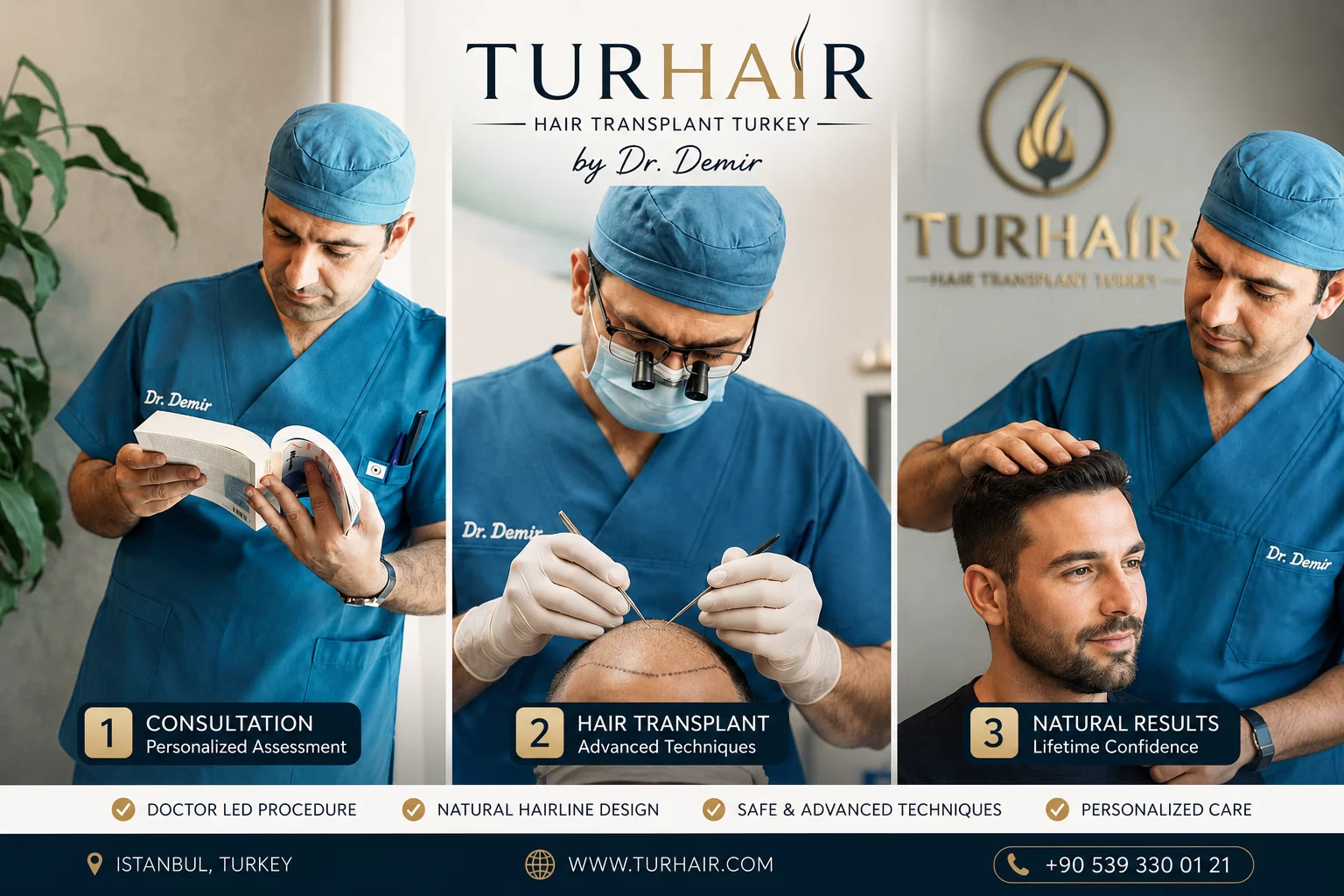
Dr. Demir personally performs critical stages of the hair transplant procedure at TurHair, ensuring natural hairlines, maximum graft survival, and long-lasting results.
The Role of Aftercare in Hair Transplant Success
Even perfectly executed surgery requires proper postoperative care.
Aftercare protocols typically focus on:
- Protecting grafts
- Reducing inflammation
- Supporting healing
- Preventing infection
- Optimizing growth conditions
Patients who follow postoperative instructions carefully often achieve better outcomes than those who neglect aftercare recommendations.
Successful hair restoration is a partnership between the surgeon and the patient.
Why Transparency Matters When Choosing a Clinic
Transparency is one of the strongest indicators of a reputable clinic.
Patients should feel comfortable asking questions regarding:
- Surgeon involvement
- Procedure details
- Expected outcomes
- Potential limitations
- Risks and complications
- Recovery expectations
Responsible clinics provide honest answers and realistic guidance rather than relying on exaggerated marketing claims.
Transparency builds trust and contributes to higher patient satisfaction.
Global Demand for Surgeon-Led Hair Restoration
The worldwide demand for surgeon-led hair transplantation continues to grow as patients seek more natural and reliable results.
Turkey remains at the forefront of this trend due to its combination of experienced surgeons, modern facilities, and internationally recognized expertise.
Patients from Europe, North America, the Middle East, and beyond continue to choose Turkey because of its reputation for delivering high-quality hair restoration solutions.
Surgeon Performed Hair Transplant Turkey FAQ
What is a surgeon performed hair transplant in Turkey?
It means the most critical stages are planned and controlled by a qualified hair transplant doctor, including hairline design, donor analysis and surgical strategy.
Why is surgeon involvement important?
Because hairline angle, channel direction, graft distribution and donor preservation directly affect naturalness, safety and long-term results.
Who is Dr. Demir?
Dr. Demir is a hair transplant doctor associated with TurHair, known for doctor-led planning, natural hairline design and donor area protection.
What makes TurHair different?
TurHair focuses on personalized planning, doctor involvement, natural results and premium patient experience instead of high-volume clinic models.
Is surgeon performed better than technician-only?
It may offer better medical control, safer planning, natural hairline creation and improved donor management compared with technician-only models.
Which techniques are available?
Depending on the patient’s donor capacity and hair loss pattern, FUE, Sapphire FUE or DHI techniques may be recommended.
When are final results visible?
Early growth begins around 3–4 months, visible improvement appears after 6–9 months, and final results usually develop within 12–18 months.
Why do patients choose Turkey?
Patients choose Turkey for experienced doctors, advanced techniques, competitive prices, modern clinics and full medical tourism support.