Why Is Hair Transplant Cost in Turkey So Different Between Clinics?
June 11, 2026
Can a Bad Hair Transplant Be Repaired?✨
July 16, 2026Is a Cheap Hair Transplant Worth the Risk?
A cheap hair transplant can sometimes lead to donor overharvesting, unnatural hairlines, poor graft survival, and the need for expensive revision surgery. Patients should evaluate doctor involvement, clinic standards, donor management, and long-term planning rather than choosing a clinic based solely on price.
Hair transplantation has become one of the most popular cosmetic procedures worldwide, and Turkey remains one of the leading destinations for international patients. While low prices can be attractive, many patients ask the same question: Is a cheap hair transplant worth the risk? The answer depends on who performs the procedure, the clinic’s medical standards, and the long-term consequences of choosing the lowest price over quality.
Many patients focus only on cost when comparing clinics. However, a hair transplant is a permanent procedure that affects your appearance, confidence, and donor area for life. A poorly performed operation can lead to unnatural results, scarring, infections, and the need for expensive corrective surgery later.
Why Are Some Hair Transplants So Cheap?
Not all hair transplant clinics operate under the same standards. Some clinics reduce prices by minimizing medical involvement and maximizing patient volume.
- Technicians perform most of the procedure instead of doctors.
- Several patients are treated simultaneously.
- Limited consultation and planning.
- Low-cost facilities and equipment.
- Shortened procedure times.
- Minimal post-operative follow-up.
While this approach may reduce costs, it can significantly increase the risk of complications and poor outcomes.
The Hidden Costs of a Cheap Hair Transplant
Many patients believe they are saving money by choosing the cheapest clinic. However, the real cost often appears months or years later.
A failed hair transplant may require:
- Repair surgery.
- Scar correction.
- Additional graft extraction.
- Scalp micropigmentation.
- Medical treatments to improve growth.
- Travel expenses for revision procedures.
Revision procedures are usually far more expensive and complicated than the original surgery. In some cases, donor hair cannot be fully restored after excessive extraction.
Doctor-Led Hair Transplant in Turkey
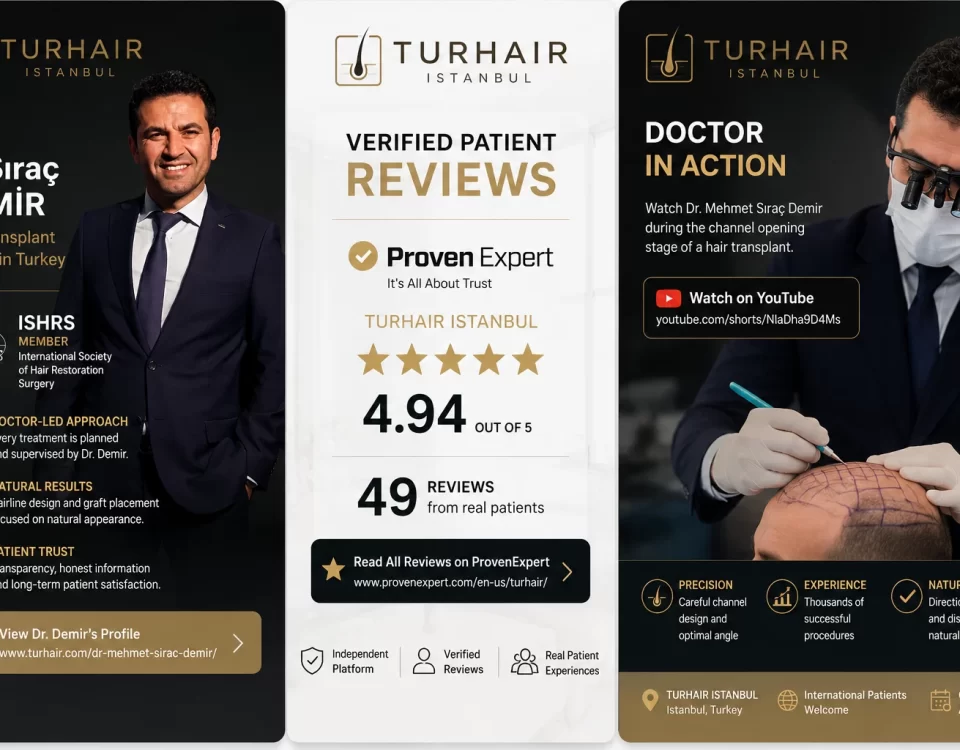
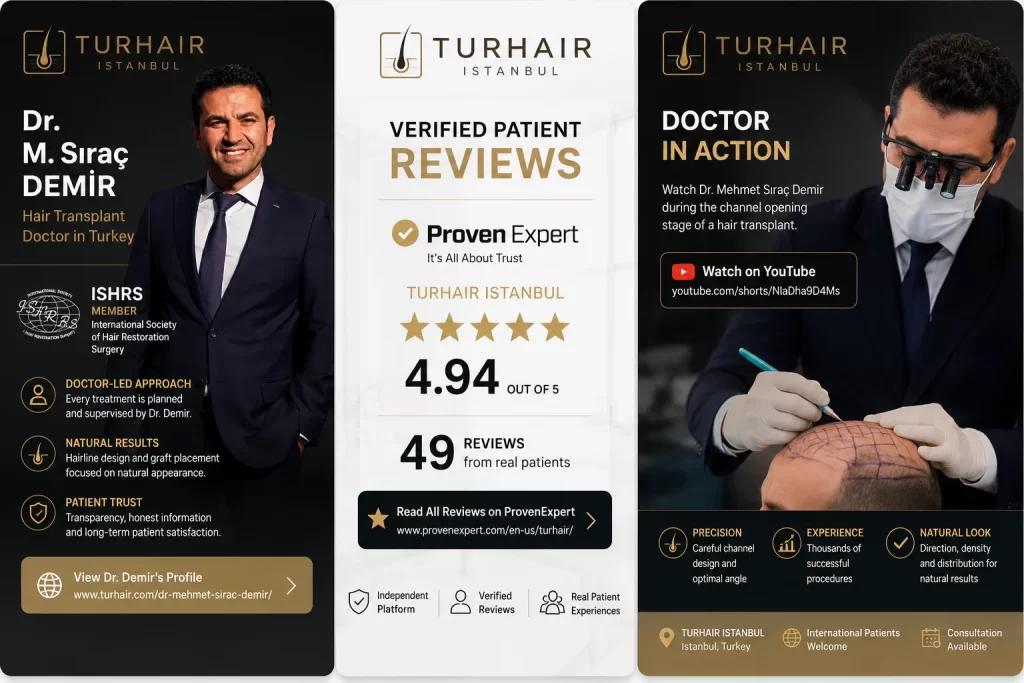
Why Choose TurHair & Dr. Demir?
A cheap hair transplant may look attractive at first, but your donor area is limited and your result is permanent.
TurHair focuses on natural results, safe planning, and long-term donor preservation.
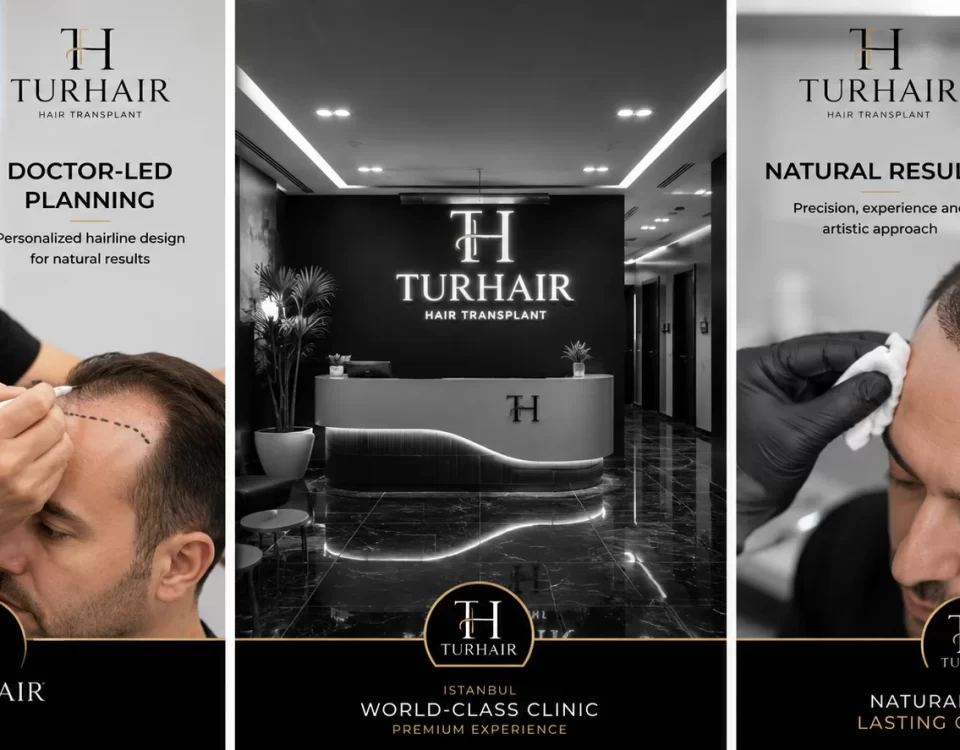
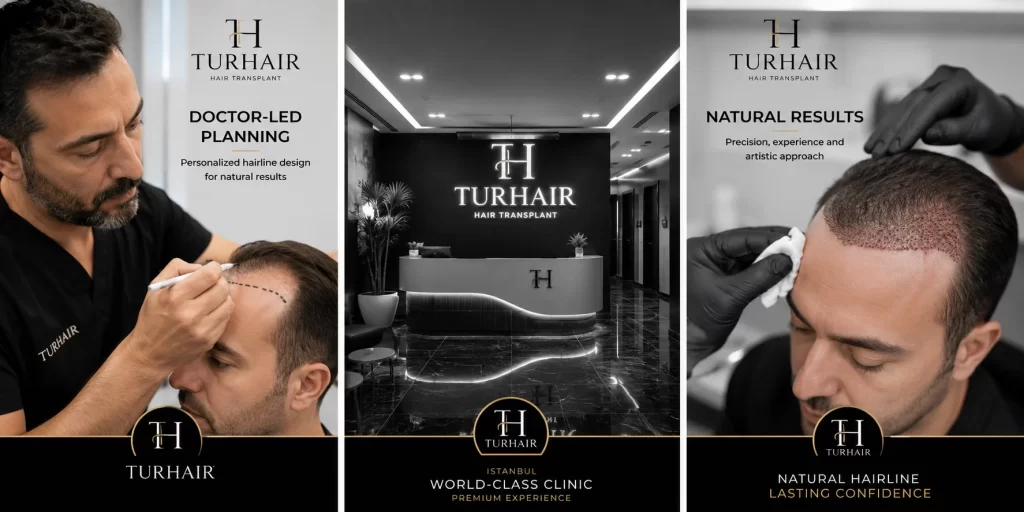
Doctor-Led Planning
Dr. Demir creates a personalized treatment plan based on your donor area, hair loss pattern, age, and long-term expectations.
Natural Hairline Design
A successful hair transplant is not only about graft numbers. It is about creating a natural hairline that fits your face and age.
Donor Area Protection
Your donor area is limited. TurHair avoids aggressive overharvesting and focuses on preserving future hair transplant options.
Ethical Medical Approach
TurHair does not focus on unrealistic promises. The goal is honest consultation, safe treatment, and sustainable results.
Quality Over Quantity
At TurHair, every graft is treated as a valuable long-term resource. The aim is not to extract the highest number of grafts,
but to place the right grafts in the right areas with the right angle, direction, and density.
For International Patients
TurHair provides clear communication, detailed pre-operative guidance, and aftercare support for patients visiting Istanbul from abroad.
Long-Term Vision
Dr. Demir plans not only for today’s appearance, but also for future hair loss progression and possible future needs.
Revision Prevention
Correct planning from the beginning helps reduce the risk of unnatural results, donor depletion, and expensive repair procedures later.
Hair Transplantation Is Permanent. Choose Wisely.
A low price can be forgotten quickly, but a poor result may stay visible for years.
Choose a clinic that values safety, naturalness, and responsible donor management.
The TurHair Difference
Choosing TurHair means choosing medical responsibility, realistic expectations, and a result designed to look natural—not only today, but also in the future.
Personalized Case Evaluation
Every patient is different. Dr. Demir evaluates your donor capacity, hair quality, facial structure, and future hair loss risk before recommending a treatment plan.
No Factory-Style Surgery
TurHair does not treat patients like numbers. The focus is on individual planning, careful execution, and a controlled medical process.
Realistic Graft Planning
Instead of promising unrealistic graft numbers, TurHair aims to use the correct number of grafts safely and strategically.
A Natural Result Starts With the Right Plan
Hair transplantation is not only a technical procedure. It requires medical knowledge, artistic vision, and long-term strategy.
Dr. Demir focuses on hairline harmony, graft direction, density balance, and donor preservation to create results that look refined and natural.
Correct Angle
Proper graft angle helps transplanted hair blend naturally with your existing hair direction.
Balanced Density
Density should be planned carefully to create visual fullness while protecting donor reserves.
Age-Appropriate Hairline
A natural hairline should match your face, age, and future hair loss pattern—not just your current expectations.
Why Patients Avoid Cheap, Technician-Only Clinics
Many failed hair transplants happen because the procedure is rushed, poorly planned, or performed without enough medical supervision.
TurHair offers a safer alternative for patients who want quality, transparency, and natural-looking results.
Risk Reduced
Better planning helps reduce donor damage and unnatural results.
More Control
A controlled process means more attention to detail during your treatment.
Better Future Options
Responsible donor management protects possible future procedures.
Choose Safety. Choose Naturalness. Choose TurHair.
Your hair transplant should not be a gamble. With TurHair and Dr. Demir, every step is planned with care, medical responsibility, and long-term thinking.
Overharvesting: A Permanent Problem
One of the biggest risks of low-cost hair transplant clinics is donor area overharvesting. The donor area contains a limited number of permanent follicles. When too many grafts are removed without proper planning, the back of the head can appear patchy, thin, or visibly damaged.
Unlike a poor haircut, donor depletion cannot always be corrected. Once healthy grafts are wasted, future transplant options become limited.
This is why experienced hair transplant surgeons carefully calculate graft numbers rather than promising unrealistic results.
Unnatural Hairlines
A natural hairline requires artistic planning and medical expertise. Cheap clinics often use standardized designs that may not match a patient’s age, facial structure, or future hair loss pattern.
Common signs of an unnatural hairline include:
- Straight “wall-like” appearance.
- Incorrect density distribution.
- Wrong angle placement.
- Hairline positioned too low.
- Visible graft rows.
An unnatural hairline can be difficult and expensive to repair, often requiring multiple procedures.
Higher Risk of Infection and Complications
Medical standards vary greatly between clinics. Proper sterilization, patient screening, and surgical protocols are essential for safety.
Potential complications include:
- Infections.
- Folliculitis.
- Excessive swelling.
- Poor graft survival.
- Scarring.
- Necrosis in rare cases.
While complications are uncommon in reputable clinics, the risk can increase when clinics prioritize volume over quality.
The Technician-Only Model
One reason some clinics offer extremely low prices is the technician-only business model. In these facilities, the doctor may only briefly see the patient or may not actively participate in the critical stages of the procedure.
Hair transplantation is a medical procedure requiring proper diagnosis, planning, and surgical judgment. The most important decisions—including donor management, hairline design, and channel creation—can directly affect the final outcome.
Patients should always ask who performs each stage of the procedure and how involved the doctor will be on surgery day.
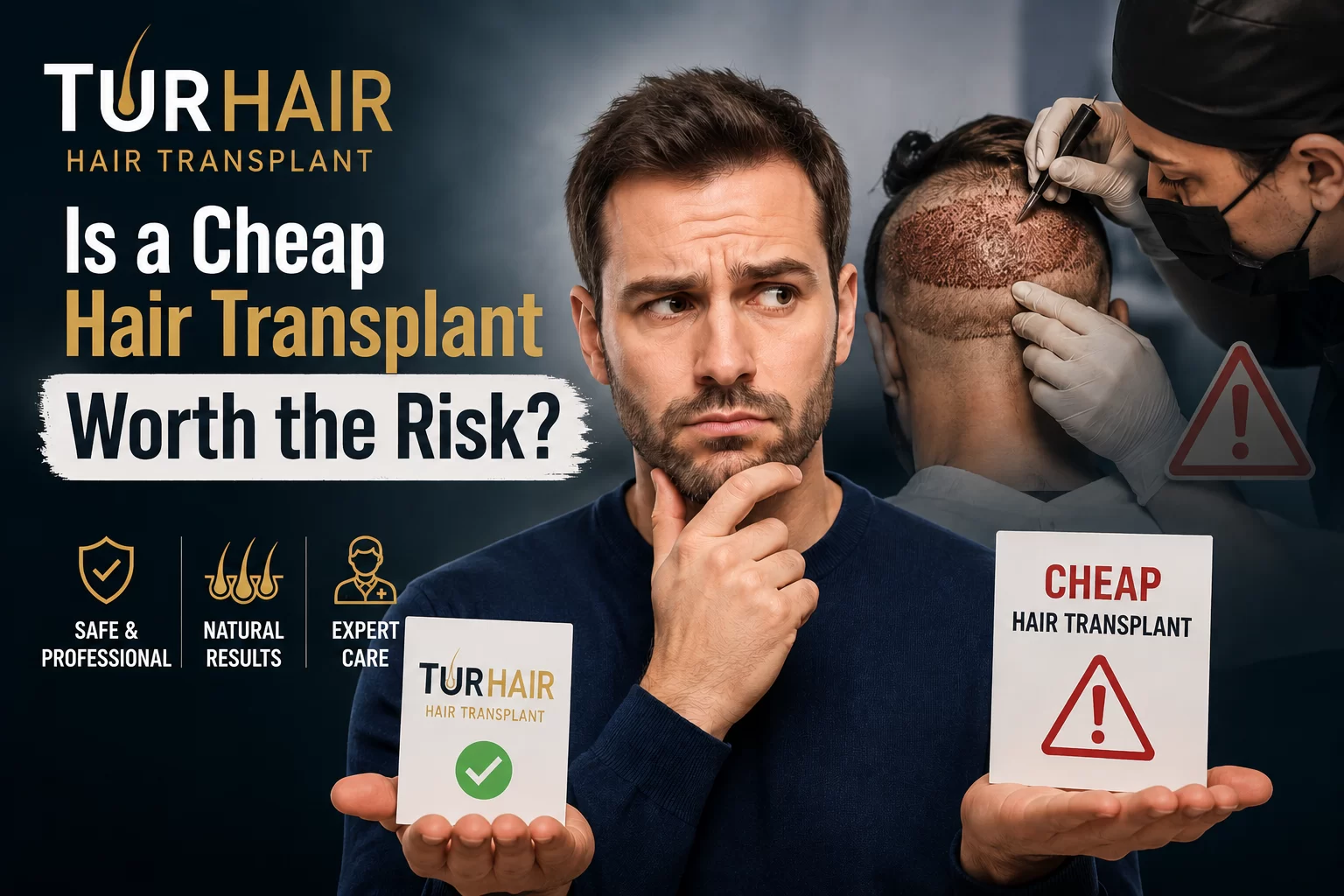
Choosing a cheap hair transplant may save money initially, but it can increase the risk of poor results, scarring, and costly repair procedures. Turhair offers doctor-led hair transplant solutions in Turkey.
What Defines a High-Quality Hair Transplant?
A successful hair transplant is not simply about moving the highest number of grafts. It is about achieving natural, long-lasting results while preserving the donor area.
Key factors include:
- Comprehensive consultation.
- Doctor-led planning.
- Proper donor management.
- Natural hairline design.
- Correct graft placement angles.
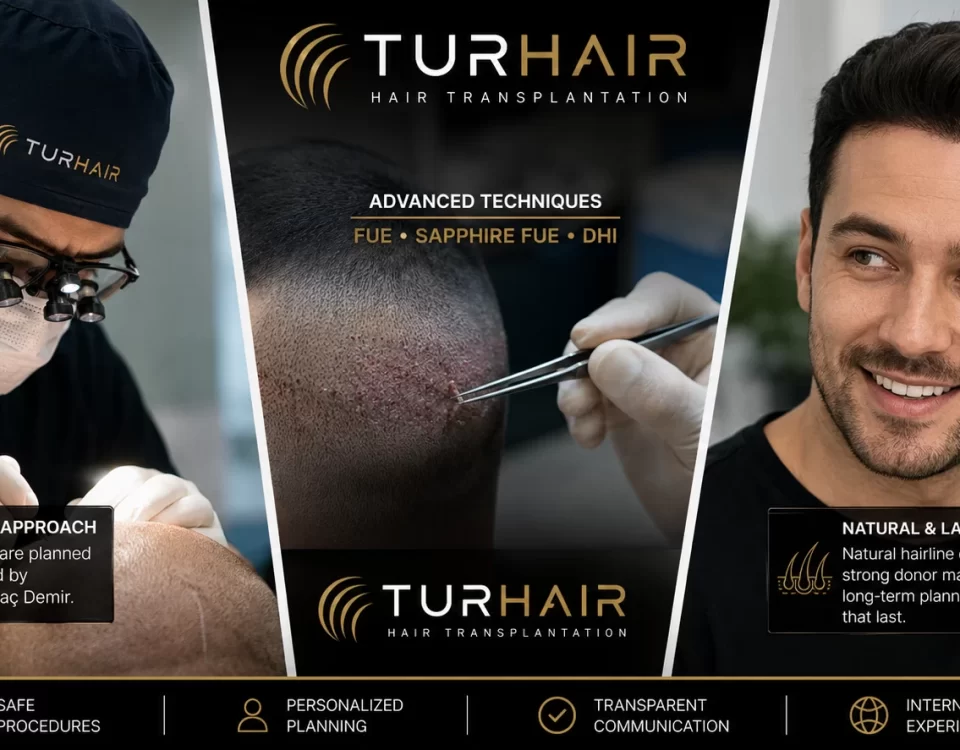
- Modern surgical techniques.
- Strong aftercare support.
The best clinics focus on quality and long-term patient satisfaction rather than performing the highest number of surgeries per day.
Why Turkey Remains Popular
Turkey continues to attract thousands of international patients because it offers excellent value compared to many Western countries. However, patients should understand that there is a major difference between an affordable hair transplant and an excessively cheap one.
Affordable clinics can still maintain high medical standards due to lower operating costs. Extremely cheap clinics often achieve their pricing by reducing doctor involvement or increasing patient volume.
This distinction is critical when choosing a clinic.
Questions Every Patient Should Ask
Before booking a hair transplant, ask the following questions:
- Who designs the hairline?
- Who opens the channels?
- How many surgeries are performed daily?
- Will the doctor be present throughout the procedure?
- Can I see genuine before-and-after results?
- What happens if I need follow-up support?
- How is donor area preservation managed?
Transparent clinics will answer these questions clearly and confidently.
Long-Term Value vs Short-Term Savings
A hair transplant should be viewed as a long-term investment rather than a short-term purchase. Saving a few hundred or even a few thousand euros initially may not be worth the risk if the outcome requires corrective surgery later.
Natural results, donor preservation, and patient safety should always take priority over the lowest possible price.
Final Verdict: Is a Cheap Hair Transplant Worth the Risk?
In most cases, choosing a hair transplant solely because it is cheap can be a costly mistake. The risks include donor depletion, unnatural hairlines, poor growth, complications, and expensive revision procedures.
The better approach is to evaluate the clinic’s medical standards, surgeon involvement, experience, and patient results. A quality hair transplant performed correctly the first time is often far less expensive than repairing a failed procedure later.
When researching hair transplant clinics in Turkey, focus on expertise, transparency, and long-term outcomes—not just the lowest advertised price. Your hair, donor area, and appearance are permanent, and they deserve the highest level of care possible.
How Cheap Hair Transplants Can Affect Future Hair Loss
One aspect many patients overlook is the progression of hair loss after surgery. Male pattern baldness is a lifelong condition. Even if the transplanted grafts survive, native hair surrounding the transplanted area may continue to thin over time.
A properly trained hair transplant surgeon plans for future hair loss and creates a strategy that will still look natural years later. Cheap hair transplant clinics often focus only on immediate visual results rather than long-term planning.
This can create several problems:
- Hairlines that appear unnatural as surrounding hair disappears.
- Insufficient donor reserves for future procedures.
- Visible gaps between transplanted and native hair.
- Uneven density throughout the scalp.
- Difficulty performing successful revision surgery.
Patients in their twenties and thirties should be particularly careful because their hair loss pattern may not yet be fully established.
The Difference Between Affordable and Suspiciously Cheap
Not every reasonably priced clinic should be avoided. Turkey’s lower operating costs allow many reputable clinics to provide excellent value compared to clinics in the United Kingdom, Germany, France, Spain, or the United States.
The issue arises when prices seem dramatically lower than the market average.
If one clinic is offering a package for a fraction of what most established clinics charge, patients should investigate carefully and ask why the price is so low.
Possible reasons include:
- Limited physician involvement.
- High patient turnover.
- Inexperienced staff.
- Outdated equipment.
- Minimal post-operative support.
- Aggressive sales-focused business models.
Price alone should never be the deciding factor when selecting a hair transplant clinic.
Mass Production Clinics: Understanding the Risks
Some facilities operate almost like factories, treating numerous patients simultaneously every day. While this approach increases profitability, it may reduce the level of individual attention each patient receives.
In a high-volume environment:
- Consultations may be rushed.
- Hairline planning may follow generic templates.
- Doctors may oversee multiple surgeries at once.
- Technicians may perform critical stages independently.
- Patient concerns may receive limited attention.
Hair transplantation is not a one-size-fits-all procedure. Every scalp, donor area, hair characteristic, and hair loss pattern is unique.
Personalized planning remains one of the most important factors behind natural-looking results.
Can Cheap Hair Transplants Produce Good Results?
It is important to acknowledge that some patients receive acceptable results from lower-cost clinics. However, the concern is often consistency rather than isolated success stories.
Patients browsing social media frequently see only the best outcomes selected for marketing purposes. They rarely see cases involving poor growth, unnatural hairlines, donor damage, or failed procedures.
When evaluating a clinic, look for:
- High-quality results across many patients.
- Long-term follow-up photos.
- Independent reviews.
- Transparent surgical processes.
- Detailed consultations.
Consistency is often a stronger indicator of quality than a handful of impressive transformations.
Why Revision Surgery Is More Difficult
Patients sometimes assume that if a cheap hair transplant goes wrong, they can simply have another procedure later. Unfortunately, revision surgery is often far more challenging than an initial transplant.
Revision cases may involve:
- Poorly positioned grafts.
- Visible scarring.
- Excessive donor extraction.
- Abnormal growth directions.
- Pluggy or artificial hairlines.
Repairing these issues requires advanced surgical experience and careful donor management.
In severe cases, complete correction may not be possible because the donor area has already been depleted.
The Psychological Cost of a Failed Hair Transplant
Hair loss itself can affect confidence and self-image. Patients often pursue transplantation because they want to feel better about their appearance.
When a procedure produces poor results, the emotional impact can be significant.
Patients may experience:
- Loss of confidence.
- Anxiety about appearance.
- Social discomfort.
- Regret regarding their decision.
- Stress related to revision surgery.
These emotional costs are difficult to measure financially but can be substantial.
This is another reason why choosing a clinic based solely on price can be risky.
The Importance of Medical Consultation
A thorough consultation should include more than simply counting grafts.
During a quality consultation, the medical team should evaluate:
- Age.
- Hair loss history.
- Family history of baldness.
- Donor density.
- Hair caliber.
- Scalp characteristics.
- Future hair loss projections.
This information helps create a treatment plan designed for long-term success rather than short-term cosmetic improvement.
Red Flags When Comparing Hair Transplant Clinics
Patients should be cautious when they encounter certain warning signs during the research process.
Potential red flags include:
- Guaranteed graft numbers without examination.
- Unrealistically low prices.
- Pressure to book immediately.
- No direct communication with medical staff.
- Lack of detailed consultation.
- Limited information about who performs the procedure.
- Heavy emphasis on discounts and promotions.
Reputable clinics generally focus on patient suitability and medical evaluation rather than aggressive sales tactics.
Why Experience Matters
Hair transplantation combines surgical precision with artistic judgment. Experience plays a major role in achieving natural density, proper graft placement, and long-term donor preservation.
Experienced surgeons understand:
- Hairline architecture.
- Facial proportions.
- Hair growth patterns.
- Donor management strategies.
- Revision techniques.
- Age-appropriate planning.
These skills are developed through years of performing procedures and managing different patient scenarios.
Investing in Quality From the Beginning
The most successful patients often approach hair transplantation as a long-term medical investment rather than a bargain purchase.
Choosing a reputable clinic may involve a higher upfront cost, but it can significantly reduce the likelihood of complications, donor damage, and revision surgery expenses later.
In the world of hair restoration, quality, safety, and expertise generally provide better value than simply choosing the cheapest available option.
Conclusion
Cheap hair transplants can appear attractive at first glance, especially when comparing prices internationally. However, patients should carefully consider the potential risks associated with extremely low-cost procedures.
Donor overharvesting, unnatural hairlines, poor growth, insufficient planning, and the need for revision surgery can ultimately cost far more than selecting a reputable clinic from the beginning.
The best hair transplant outcomes come from proper medical assessment, individualized treatment planning, experienced surgical execution, and long-term patient care. When evaluating clinics in Turkey or elsewhere, focus on quality, transparency, and proven results rather than price alone.
Remember: a hair transplant is permanent. Making the right decision today can protect both your appearance and your donor area for many years to come.
How to Identify a Reputable Hair Transplant Clinic
With hundreds of clinics advertising hair transplant procedures in Turkey, patients often find it difficult to distinguish between reputable providers and clinics that prioritize volume over quality. The internet is filled with marketing claims, discounted packages, and promises of guaranteed results. However, successful hair restoration depends on much more than attractive pricing.
A reputable clinic will focus on medical evaluation before discussing graft numbers or costs. During a proper consultation, patients should receive an assessment of their hair loss stage, donor capacity, scalp condition, and future hair loss risks.
Quality clinics understand that not every patient requires the same approach. Some individuals may benefit from a conservative hairline design, while others may require a staged treatment plan that preserves donor resources for future procedures.
The willingness to say “no” to an unrealistic request is often a sign of professional integrity.
The Importance of Donor Management
The donor area is the foundation of every successful hair transplant. Once donor grafts are removed, they cannot be replaced. For this reason, donor management is one of the most critical aspects of hair restoration surgery.
Many low-cost clinics focus heavily on maximizing graft extraction numbers because larger graft counts appear attractive in marketing materials. However, excessive extraction can permanently damage the donor area and compromise future treatment options.
Effective donor management involves:
- Careful graft distribution.
- Avoiding overharvesting.
- Protecting donor density.
- Planning for future hair loss.
- Maintaining natural appearance in the donor zone.
Patients should remember that donor preservation is often more important than maximizing graft numbers during a single procedure.
Why Hairline Design Matters
The hairline is one of the most visible aspects of a hair transplant result. Even when graft survival is excellent, an unnatural hairline can make the transplant appear artificial.
Creating a natural hairline requires consideration of:
- Facial proportions.
- Age.
- Ethnicity.
- Hair characteristics.
- Future hair loss progression.
Patients should be cautious of clinics that offer the same hairline design for every individual. Hair restoration should be customized rather than standardized.
A natural-looking hairline often appears slightly irregular rather than perfectly straight. This subtle detail helps create a more realistic appearance.
The Role of Technology in Hair Transplant Success
Modern technology can improve the efficiency and precision of hair transplantation. However, technology alone cannot guarantee a successful outcome.
Some clinics heavily promote equipment, devices, or extraction tools while paying less attention to surgical planning and medical expertise.
Even the most advanced technology cannot compensate for:
- Poor donor management.
- Inexperienced operators.
- Improper graft handling.
- Weak hairline design.
- Incorrect graft placement.
Technology should support experience—not replace it.
What Patients Should Expect During Recovery
Recovery is an important phase of the hair transplant journey. Patients who choose quality clinics often benefit from structured aftercare programs and clear recovery guidance.
Following surgery, patients may experience:
- Mild swelling.
- Temporary redness.
- Scab formation.
- Shock loss.
- Gradual regrowth over several months.
Proper aftercare instructions help protect graft survival and improve overall outcomes.
Patients should always follow clinic recommendations regarding washing, physical activity, sun exposure, and medication use.
The Value of Long-Term Follow-Up
Hair transplantation is not a procedure that can be fully evaluated after only a few weeks. Final results often require 12 to 18 months to develop completely.
For this reason, long-term follow-up is extremely valuable.
Quality clinics typically provide:
- Regular progress monitoring.
- Photographic assessments.
- Growth evaluations.
- Guidance regarding medical therapies.
- Support throughout the recovery process.
Ongoing communication helps ensure that patients remain informed and confident throughout their hair restoration journey.
Comparing Cost and Value
When researching hair transplant clinics, patients often focus on cost comparisons. While budget considerations are important, value should be the primary objective.
Value includes:
- Medical expertise.
- Patient safety.
- Natural results.
- Donor preservation.
- Comprehensive support.
- Long-term satisfaction.
A slightly higher initial investment may provide significantly greater value over time if it reduces the risk of complications and revision procedures.
The cheapest option is not always the most economical choice in the long run.
Medical Ethics in Hair Transplantation
Ethical medical practice plays a major role in patient outcomes. Responsible clinics prioritize patient welfare over aggressive sales targets.
Ethical hair transplant providers typically:
- Offer realistic expectations.
- Discuss limitations honestly.
- Avoid exaggerated promises.
- Recommend conservative approaches when appropriate.
- Focus on long-term patient interests.
Patients should be cautious of clinics that guarantee unrealistic density levels or promise immediate results without discussing potential limitations.
Why More Patients Are Researching Doctor-Led Hair Transplants
As awareness grows, more patients are actively seeking doctor-led hair transplant procedures. Patients increasingly understand that the experience and involvement of the treating physician can significantly influence the outcome.
Doctor-led procedures often emphasize:
- Detailed planning.
- Personalized treatment.
- Medical accountability.
- Improved consistency.
- Higher attention to detail.
This trend reflects a growing demand for quality-focused hair restoration rather than purely price-driven decisions.
Making the Right Decision
Choosing a hair transplant clinic is one of the most important decisions a patient will make during their hair restoration journey. Price should be considered, but it should never outweigh safety, expertise, and long-term planning.
Patients should invest time in researching clinics, reviewing results, speaking with medical professionals, and understanding the treatment process before making a final decision.
A well-planned hair transplant can provide natural, long-lasting results and renewed confidence. A poorly planned procedure may create challenges that are difficult and expensive to correct.
For this reason, patients are encouraged to evaluate clinics based on quality, transparency, medical standards, and proven results rather than focusing solely on the lowest available price.
In hair transplantation, the goal should not simply be to save money today—it should be to achieve a safe, natural, and lasting result that continues to look good for years to come.
Understanding the True Cost of a Hair Transplant
When researching hair restoration options, many patients begin by comparing prices. While cost is naturally an important factor, focusing exclusively on price can lead to poor decisions. The true cost of a hair transplant should include not only the procedure itself but also the quality of the outcome, the preservation of the donor area, and the likelihood of needing future corrective treatment.
A low-priced procedure that delivers poor growth or an unnatural appearance may ultimately become far more expensive than a properly planned transplant performed by an experienced medical team.
Patients should think beyond the initial quote and consider the long-term value of the treatment they receive.
The Problem with Marketing-Driven Decisions
The hair transplant industry has become increasingly competitive. Many clinics advertise heavily on social media platforms, search engines, and online marketplaces. While marketing can help patients discover treatment options, it should never replace proper research.
Some clinics focus primarily on:
- Large discounts.
- Limited-time offers.
- Luxury hotel packages.
- Free transportation.
- Extremely high graft promises.
- Aggressive sales techniques.
Although these incentives may appear attractive, patients should remember that accommodation and transportation do not determine the quality of a surgical procedure.
The most important question remains: who is responsible for planning and performing the treatment?
Hair Transplantation Is Both Medical and Artistic
Many people mistakenly assume that hair transplantation is simply a technical process involving the transfer of follicles from one area to another. In reality, successful hair restoration combines medical expertise with artistic judgment.
The surgeon must carefully consider:
- Facial symmetry.
- Hairline shape.
- Hair direction.
- Density distribution.
- Future hair loss progression.
- Donor conservation.
These factors influence whether the final result appears natural or artificial.
A technically successful procedure can still look unnatural if artistic planning is lacking.
Future Hair Loss Must Be Considered
One of the biggest mistakes made by inexperienced clinics is focusing only on current bald areas without considering future hair loss.
Male pattern baldness often continues to progress over time. Patients who appear stable today may experience additional thinning in the coming years.
Responsible treatment planning requires a long-term perspective.
This includes:
- Preserving donor reserves.
- Avoiding overly aggressive hairlines.
- Creating age-appropriate designs.
- Maintaining flexibility for future procedures.
Ignoring future hair loss can create cosmetic challenges that become increasingly noticeable over time.
Why Revision Procedures Continue to Increase
Hair transplant repair and revision procedures have become increasingly common as more patients seek treatment from low-cost providers.
Common reasons for revision surgery include:
- Poor density.
- Incorrect hairline placement.
- Visible graft rows.
- Donor overharvesting.
- Unnatural growth direction.
- Patchy results.
Revision cases are often more complex than first-time procedures because surgeons must work around existing limitations.
For this reason, getting the procedure right the first time is usually the best strategy.
The Importance of Real Patient Results
Before choosing a clinic, patients should carefully evaluate genuine patient outcomes rather than relying solely on promotional material.
Useful evidence includes:
- High-resolution before-and-after photos.
- Video testimonials.
- Long-term follow-up results.
- Independent reviews.
- Results from patients with similar hair characteristics.
Consistency across many cases is often a stronger indicator of quality than a few exceptional results highlighted in advertising campaigns.
Communication and Patient Education
Quality hair transplant clinics prioritize patient education throughout the treatment process. Patients should fully understand what to expect before, during, and after surgery.
A professional consultation should explain:
- The proposed treatment plan.
- Expected graft numbers.
- Potential limitations.
- Recovery expectations.
- Possible future treatments.
When patients receive clear and transparent information, they are better equipped to make informed decisions.
Good communication often reflects the overall professionalism of a clinic.
Why Natural Results Matter More Than Maximum Density
Many advertisements focus on extremely dense results. While density is important, naturalness remains the ultimate goal of hair restoration.
A natural-looking transplant should:
- Blend with existing hair.
- Follow natural growth patterns.
- Match facial proportions.
- Appear age appropriate.
- Remain aesthetically pleasing over time.
Excessive density concentrated in the wrong areas can sometimes create an unnatural appearance that draws unwanted attention.
Balanced planning generally produces more attractive and sustainable outcomes.
Patient Safety Should Never Be Compromised
Regardless of price, patient safety should remain the highest priority. Hair transplantation is a surgical procedure that requires proper medical standards, sterilization protocols, and professional oversight.
Patients should feel comfortable asking questions about:
- Medical qualifications.
- Clinic standards.
- Surgical protocols.
- Emergency procedures.
- Post-operative support.
Transparent answers help build trust and demonstrate commitment to patient welfare.
Choosing Quality Over Short-Term Savings
The decision to undergo a hair transplant can significantly impact appearance, confidence, and quality of life. While low prices may initially seem appealing, patients should carefully evaluate the long-term consequences of choosing a clinic based solely on cost.
Quality-focused clinics invest in planning, patient safety, donor preservation, and natural results. These factors often contribute more to overall satisfaction than temporary financial savings.
A successful hair transplant should continue to look natural many years after the procedure. Achieving that outcome requires experience, responsibility, and a commitment to medical excellence.
Ultimately, the goal is not simply to obtain a hair transplant at the lowest possible price. The goal is to achieve a result that looks natural, preserves future options, and provides lasting confidence.
Final Thoughts
Cheap hair transplants may appear attractive on paper, but the potential risks should never be underestimated. Donor depletion, unnatural hairlines, inconsistent growth, and costly revision procedures can quickly outweigh any initial savings.
Patients should focus on medical expertise, ethical treatment planning, long-term donor preservation, and proven results when selecting a clinic.
A carefully planned hair transplant performed with attention to detail can provide benefits for decades. Investing in quality from the beginning is often the smartest and most cost-effective decision a patient can make.
Hair Transplant Tourism: Looking Beyond the Price Tag
Hair transplant tourism has grown dramatically over the last decade. Thousands of international patients travel abroad each year seeking affordable hair restoration procedures. Turkey has become one of the most popular destinations due to its combination of experienced clinics, modern facilities, and competitive pricing.
However, as demand has increased, so has the number of clinics entering the market. While many providers deliver excellent care, others focus primarily on attracting patients through low prices rather than medical quality.
Patients researching treatment abroad should understand that the cheapest package is not necessarily the safest or most effective option. Travel arrangements, hotel accommodations, and airport transfers may be convenient, but they do not determine the quality of the surgery itself.
The most important factors remain medical expertise, planning, and patient safety.
The Value of an Individualized Treatment Plan
No two patients experience hair loss in exactly the same way. Genetics, age, hair characteristics, donor density, and long-term goals all influence treatment decisions.
A personalized treatment plan should be based on:
- The stage of hair loss.
- Donor area quality.
- Hair texture and thickness.
- Scalp characteristics.
- Family history of baldness.
- Future hair loss expectations.
Generic treatment plans may overlook important details that affect the final outcome. Personalized planning helps create natural-looking results while preserving valuable donor resources.
Why Donor Preservation Is a Long-Term Investment
The donor area is often described as a patient’s “hair bank.” Just like a financial account, once resources are spent, they cannot easily be replenished.
Responsible donor management means using grafts strategically rather than aggressively. This approach helps ensure that sufficient donor reserves remain available if additional treatment becomes necessary in the future.
Patients who undergo excessive extraction during their first procedure may later discover that they have limited options for addressing future hair loss.
Preserving donor resources is one of the most important principles of modern hair restoration.
The Importance of Realistic Expectations
Successful hair transplantation begins with realistic expectations. Ethical clinics help patients understand what can and cannot be achieved based on their individual circumstances.
Factors that influence results include:
- Hair caliber.
- Donor density.
- Extent of baldness.
- Scalp contrast.
- Previous procedures.
- Ongoing hair loss.
Clinics that promise unrealistic density or guarantee perfect outcomes should be approached with caution. Honest communication is usually a sign of professional integrity.
Why Experience Makes a Difference
Hair transplantation requires precision, consistency, and attention to detail. Experience helps medical professionals recognize potential challenges before they become problems.
Experienced practitioners understand:
- How to preserve donor density.
- How to create natural hairlines.
- How to distribute grafts effectively.
- How to manage complex cases.
- How to address previous transplant failures.
These skills are developed through years of practical experience and ongoing education.
Patients should remember that expertise cannot be measured solely by marketing claims or social media popularity.
The Role of Aftercare in Hair Transplant Success
A hair transplant does not end when the procedure is completed. Recovery and aftercare play a major role in achieving the best possible outcome.
Proper aftercare may include:
- Detailed washing instructions.
- Medication guidance.
- Follow-up consultations.
- Progress monitoring.
- Long-term hair care recommendations.
Patients who receive clear aftercare support often feel more confident and better prepared throughout the recovery process.
Clinics that remain accessible after surgery demonstrate an ongoing commitment to patient satisfaction.
Understanding Hair Transplant Density
Many patients focus heavily on density when evaluating results. While density is important, it is only one component of a successful hair transplant.
Natural-looking outcomes depend on several factors working together:
- Hairline design.
- Graft placement.
- Hair direction.
- Donor management.
- Strategic density distribution.
In some cases, moderate density combined with excellent design can appear more natural than extremely dense graft placement performed without proper planning.
Choosing a Clinic for the Right Reasons
Patients should select a clinic based on medical standards rather than marketing incentives. Luxury hotels and promotional discounts may enhance the overall travel experience, but they do not guarantee superior surgical outcomes.
Instead, patients should evaluate:
- Professional experience.
- Transparency.
- Patient reviews.
- Before-and-after results.
- Consultation quality.
- Medical involvement.
These factors often provide a better indication of long-term success.
Building Confidence Through Quality Results
The primary goal of hair transplantation is not simply hair growth. It is to improve confidence and create a natural appearance that complements the patient’s facial features.
When treatment is planned carefully, patients often experience:
- Improved self-confidence.
- Greater satisfaction with their appearance.
- Natural-looking hair growth.
- Long-lasting results.
- Reduced concern about hair loss.
Achieving these benefits requires more than a low price. It requires expertise, attention to detail, and a commitment to quality.
Why M
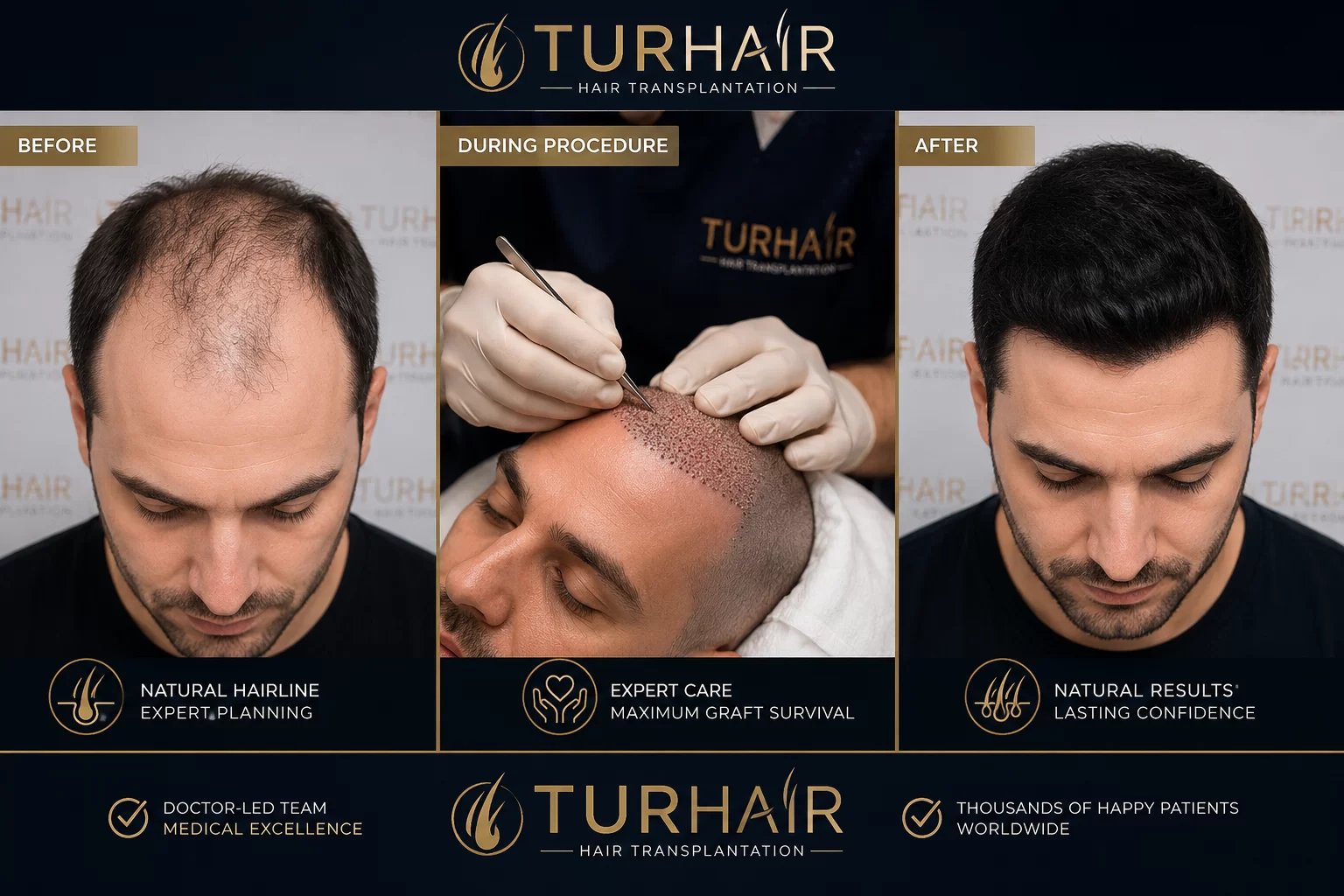
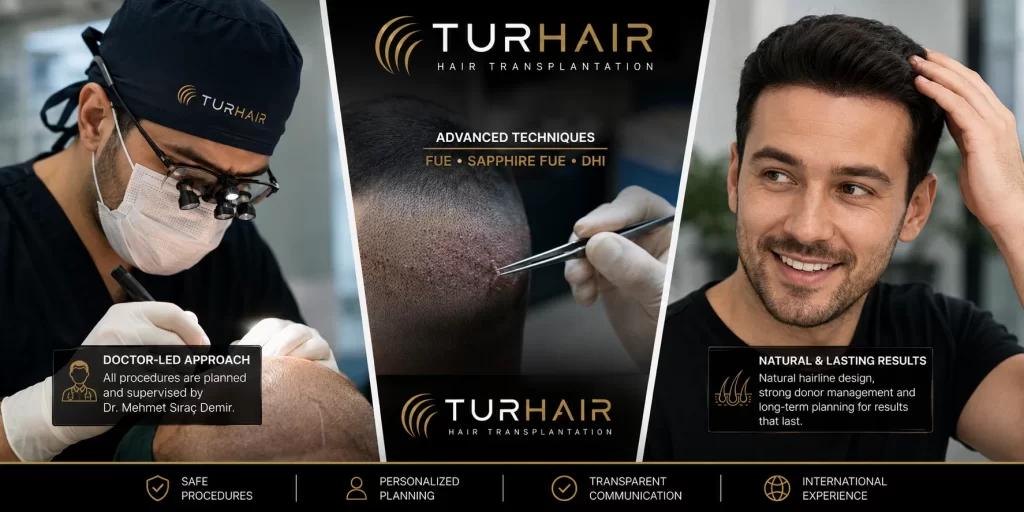
See the difference a professionally planned, doctor-led hair transplant can make. Natural hairline design, donor preservation, and long-term results by TurHair.
ore Patients Prioritize Quality Over Cost
As awareness grows, many patients are shifting their focus from finding the cheapest clinic to finding the most reliable one. This change reflects a better understanding of the long-term consequences associated with poorly planned procedures.
Patients increasingly recognize that:
- Natural results matter.
- Donor preservation matters.
- Medical standards matter.
- Long-term planning matters.
- Patient safety matters.
These priorities help patients make more informed decisions and reduce the likelihood of future disappointment.
Conclusion: Quality Is the Smart Investment
Hair transplantation is a permanent procedure with long-term consequences. While low-cost offers may seem attractive, patients should carefully evaluate the potential risks and hidden costs associated with choosing a clinic based solely on price.
A quality-focused approach emphasizes proper planning, donor preservation, realistic expectations, and natural results. These elements contribute to higher patient satisfaction and better long-term outcomes.
When considering a hair transplant in Turkey or anywhere else in the world, remember that the goal is not simply to spend less money. The goal is to achieve a safe, natural, and lasting result that continues to look good for years to come.
In the end, investing in quality is often the most affordable decision a patient can make.
Related Hair Transplant Articles
Doctor-Led Hair Transplant Turkey
Learn why doctor involvement matters for safe and natural results.
Technician Hair Transplant Turkey
Discover the risks of technician-only hair transplant procedures.
Hair Transplant Repair Turkey
For patients who need correction after a failed hair transplant.
Doctor-Led Hair Transplant Cost in Turkey
Compare price, safety, experience, and long-term value.
Why Hair Transplant Costs Differ in Turkey
Find out why prices vary so much between clinics.
Is a Cheap Hair Transplant Worth the Risk?
Read why choosing the cheapest option can be risky.
Frequently Asked Questions
Is a cheap hair transplant worth the risk?
A very cheap hair transplant may carry higher risks if the clinic uses inexperienced technicians, poor planning, low hygiene standards, or rushed procedures. A safe result depends on medical experience, donor area protection, and natural hairline design.
Why are some hair transplant prices in Turkey so low?
Some clinics reduce prices by increasing daily patient volume, limiting doctor involvement, or delegating important surgical steps to technicians. This may lower the cost but can also increase the risk of unnatural results or donor area damage.
What can go wrong with a cheap hair transplant?
Possible problems include an unnatural hairline, poor density, overharvested donor area, visible scarring, infection risk, wrong graft direction, and the need for a repair hair transplant later.
Is doctor involvement important in hair transplantation?
Yes. Doctor involvement is important for diagnosis, donor assessment, hairline planning, channel opening, complication management, and long-term treatment strategy. These factors directly affect safety and natural-looking results.
Can a failed cheap hair transplant be repaired?
In many cases, repair is possible, but it depends on the condition of the donor area, previous graft placement, scarring, and remaining hair reserves. Repair procedures are usually more complex than a first hair transplant.
Why choose Turhair instead of the cheapest clinic?
Turhair focuses on doctor-led planning, natural hairline design, donor area protection, safe medical standards, and realistic expectations. The goal is not the cheapest procedure, but a safe, natural, and long-lasting hair transplant result.