DHI Hair Transplant Cost in Turkey
April 19, 2026
Hair Transplant in London vs Turkey
April 22, 2026Is Hair Transplant Worth It? (Complete 2026 Guide)
A hair transplant is widely considered one of the most effective and permanent solutions for individuals experiencing hair loss. With the advancement of modern techniques such as FUE (Follicular Unit Extraction) and DHI (Direct Hair Implantation), patients today can achieve natural-looking, long-lasting results with minimal downtime. But the key question remains: is a hair transplant worth it?
What Makes Hair Transplant Worth It?
The primary advantage of a hair transplant is that it offers a permanent solution. Unlike temporary treatments such as medications, wigs, or topical solutions, transplanted hair follicles are typically resistant to hair loss. Once implanted, they continue to grow naturally for a lifetime.
Another important factor is the natural appearance. When performed by an experienced surgeon, the results are almost indistinguishable from natural hair. Modern methods allow precise control over hairline design, density, and direction, ensuring a highly aesthetic outcome.
Cost vs Value
The cost of a hair transplant varies significantly depending on the country, clinic, and technique used. In Europe or the United States, procedures can range between €6,000 and €15,000. In contrast, countries like Turkey offer the same procedures for approximately €2,000 to €4,500, often including all-inclusive packages such as accommodation, transfers, and aftercare.
When considering long-term value, a hair transplant is often more cost-effective than continuously paying for temporary treatments. This makes it a smart investment for many patients.
hair transplant cost in Turkey
Psychological and Social Benefits
Hair loss can significantly affect self-esteem and confidence. A successful hair transplant can improve self-image, boost confidence, and positively impact both personal and professional life. Many patients report feeling younger and more attractive after the procedure.
Who Is a Good Candidate?
Hair transplant is most effective for individuals with sufficient donor hair, typically from the back or sides of the scalp. It works best for those with pattern baldness rather than sudden or medical-related hair loss. A consultation with a qualified doctor is essential to determine suitability.
Risks and Considerations
Like any medical procedure, a hair transplant carries some risks, including swelling, temporary shedding, or uneven growth if not performed correctly. Choosing an experienced clinic significantly reduces these risks. Proper aftercare is also crucial for optimal results.
Final Verdict: Is It Worth It?
For most people, the answer is yes. A hair transplant provides a permanent, natural, and confidence-boosting solution to hair loss. When performed by skilled professionals and combined with proper care, the results can last a lifetime. Considering the long-term benefits, improved appearance, and psychological impact, a hair transplant is often a worthwhile investment.
Hair Transplant Results Timeline
Understanding the hair transplant timeline is essential when evaluating whether the procedure is worth it. After the operation, patients typically experience shedding (shock loss) within the first few weeks. This is completely normal. New hair growth usually begins around the third month, with visible improvements between 6–9 months. Full results are generally achieved after 12 months, depending on individual healing and hair characteristics.
This gradual process requires patience, but the outcome is permanent and natural, which is why many patients find the wait worthwhile.
FUE vs DHI: Which Technique Is Better?
Two of the most popular methods are FUE and DHI. FUE involves extracting individual grafts and implanting them into tiny incisions, while DHI uses a specialized pen for direct implantation. Both techniques offer excellent results, but DHI is often preferred for higher density and precision, especially in the hairline area.
The choice between techniques depends on your hair type, goals, and the doctor’s recommendation. In either case, modern methods ensure minimal scarring and fast recovery.
Why Turkey Leads in Hair Transplant
Turkey has become the global hub for hair transplant procedures. The country attracts thousands of international patients each year due to its combination of affordable prices, experienced surgeons, and high-quality clinics.
Many clinics offer all-inclusive packages that cover hotel stays, airport transfers, medications, and follow-up care. This convenience, combined with competitive pricing, makes Turkey one of the most attractive destinations for hair restoration.
Longevity of Results
One of the biggest advantages of a hair transplant is its long-term durability. Transplanted hair is typically resistant to the hormone responsible for hair loss (DHT), meaning it will continue to grow for many years, often for life.
However, it is important to note that existing non-transplanted hair may continue to thin over time. Some patients may require additional sessions in the future to maintain density.
Aftercare and Maintenance
Proper aftercare plays a crucial role in the success of a hair transplant. Patients are advised to follow post-operative instructions carefully, including gentle washing, avoiding direct sun exposure, and refraining from intense physical activity for a short period.
In some cases, doctors may recommend supportive treatments such as PRP therapy or medications to enhance and maintain results.
Common Myths About Hair Transplants
There are many misconceptions about hair transplants. One common myth is that results look unnatural. In reality, modern techniques allow for highly natural and undetectable outcomes. Another myth is that the procedure is painful. Thanks to local anesthesia, patients experience minimal discomfort during the process.
It is also often believed that hair transplants are only for men. In fact, many women benefit from the procedure as well.
Is It Better Than Other Treatments?
Compared to temporary solutions like minoxidil, finasteride, or hair fibers, a transplant offers a permanent solution. While medications can slow hair loss, they require continuous use and may have side effects. A transplant, on the other hand, provides a one-time solution with lasting benefits.
Final Thoughts
When evaluating whether a hair transplant is worth it, it is important to consider long-term results, cost efficiency, and quality of life improvements. For most patients, the procedure delivers significant value by restoring both hair and confidence.
With the right clinic, skilled doctor, and proper expectations, a hair transplant remains one of the most effective and rewarding investments in personal appearance.
Hair Transplant Cost Breakdown (2026)
The hair transplant cost is one of the biggest factors when deciding if the procedure is worth it. Prices vary based on the number of grafts, clinic reputation, and technique used. On average, patients may need between 2,000 to 4,000 grafts. In countries like Turkey, the cost per graft can range from €0.50 to €2.00, making total procedures significantly more affordable compared to Europe or the US.
Many clinics offer package deals that include consultation, surgery, hotel accommodation, VIP transfers, medications, and aftercare. This transparency in pricing adds to the overall value and makes planning easier for international patients.
Importance of Doctor Experience
The success of a hair transplant depends heavily on the experience of the doctor. A skilled surgeon ensures proper graft extraction, correct angle placement, and a natural hairline design. Choosing a low-cost clinic without verifying the doctor’s credentials can lead to poor results, making the procedure less worthwhile.
Always check before-and-after photos, patient reviews, and whether the doctor is actively involved in the procedure rather than delegating key steps to technicians.
Natural Hairline Design
A natural hairline is one of the most critical elements of a successful hair transplant. The design must match the patient’s facial structure, age, and future hair loss pattern. An artificial or overly straight hairline can make the results look unnatural.
Experienced clinics focus on personalized planning, ensuring the hairline looks natural both immediately after the procedure and years later.
Density and Coverage
Another factor that determines whether a hair transplant is worth it is the density achieved. Higher density results in a fuller and more satisfying appearance. However, density must be balanced with the available donor area to avoid overharvesting.
Advanced techniques allow doctors to strategically distribute grafts for maximum visual impact, even with limited donor hair.
Travel and Medical Tourism Benefits
Many patients travel abroad for their procedure, especially to Turkey. This has led to the rise of medical tourism in the hair transplant industry. Patients benefit from high-quality services at lower costs, often combined with a comfortable travel experience.
Clinics typically provide multilingual support, making the entire process smooth for international visitors.
Recovery and Downtime
One of the advantages of modern hair transplant techniques is the quick recovery time. Most patients can return to normal daily activities within a few days. Visible signs such as redness or scabbing usually subside within 1–2 weeks.
This minimal downtime makes the procedure convenient for individuals with busy lifestyles.
Long-Term Satisfaction Rates
Studies and patient feedback indicate high satisfaction rates for hair transplant procedures. Most patients report improved confidence, better self-image, and satisfaction with the natural appearance of their new hair.
These long-term benefits are a major reason why many consider the procedure worth the investment.
Potential Downsides
While generally successful, hair transplants are not without limitations. Results depend on individual factors such as hair type, donor availability, and adherence to aftercare. In some cases, multiple sessions may be required to achieve the desired outcome.
Additionally, choosing an inexperienced clinic can lead to complications or unnatural results, which may require corrective procedures.
Conclusion
So, is a hair transplant worth it? For the majority of patients, the answer is yes. With permanent results, natural appearance, and high satisfaction rates, it remains one of the most effective solutions for hair loss. When done correctly, it offers excellent value for money and long-term benefits that go far beyond aesthetics.
Hair Transplant Before and After Expectations
Before undergoing a hair transplant, it is important to have realistic expectations. Patients should understand that results vary depending on hair type, scalp condition, and donor area quality. During the consultation, doctors typically analyze hair density, scalp health, and long-term hair loss patterns to create a personalized plan.
After the procedure, the transformation becomes noticeable over time. Comparing before and after results is one of the best ways to evaluate the success of a clinic. High-quality clinics provide documented cases that demonstrate consistent and natural outcomes.
Donor Area Management
The donor area, usually located at the back of the head, is a limited resource. Proper management of this area is crucial for achieving optimal results. Overharvesting can lead to visible thinning, which negatively affects overall appearance.
Experienced surgeons carefully extract grafts to maintain a balanced and natural look, ensuring that the donor area remains intact while providing enough grafts for the recipient area.
Hair Transplant for Different Hair Types
Hair characteristics such as thickness, curl pattern, and color contrast with the scalp can influence the final outcome. For example, individuals with thick or curly hair often achieve better visual density compared to those with fine hair.
Understanding these factors helps set realistic expectations and allows doctors to design a treatment plan that maximizes results.
Age Factor in Hair Transplant
Age plays an important role in determining whether a hair transplant is worth it. Younger patients may still experience ongoing hair loss, which can affect long-term results. For this reason, doctors often recommend waiting until hair loss stabilizes before undergoing the procedure.
Older patients, on the other hand, may benefit from a more predictable hair loss pattern, making it easier to design a lasting solution.
Combining Treatments for Better Results
Many patients choose to combine a hair transplant with additional treatments such as PRP (Platelet-Rich Plasma) therapy or medications. These supportive treatments can improve healing, enhance graft survival, and maintain existing hair.
This combination approach increases the overall effectiveness of the procedure and contributes to long-term satisfaction.
Scalp Health and Preparation
Healthy scalp conditions are essential for successful hair transplantation. Issues such as dandruff, inflammation, or skin disorders should be treated before the procedure. Proper preparation ensures better graft survival and smoother recovery.
Clinics often provide pre-operative guidelines to help patients prepare their scalp and overall health for the procedure.
Global Trends in Hair Restoration
The demand for hair restoration continues to grow worldwide. Advances in technology, improved techniques, and increased awareness have made hair transplants more accessible and effective than ever before.
As a result, more people are considering hair transplants not only as a medical procedure but also as a long-term investment in their appearance.
Choosing the Right Clinic
Selecting the right clinic is one of the most important decisions in the process. Factors to consider include the doctor’s experience, clinic reputation, patient reviews, and transparency in pricing.
Reputable clinics provide detailed consultations, clear communication, and realistic expectations, ensuring that patients make informed decisions.
Final Evaluation
When all factors are considered—cost, results, confidence boost, and long-term benefits—a hair transplant is generally worth it for most individuals experiencing hair loss. The key is to approach the procedure with proper research, realistic expectations, and a focus on quality rather than just price.
With the right approach, a hair transplant can deliver lasting results and significantly improve quality of life.
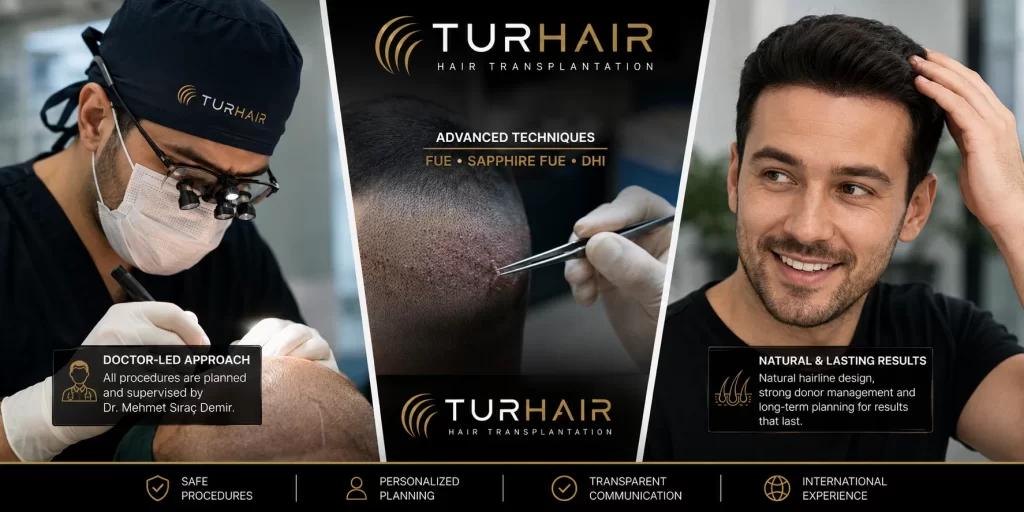
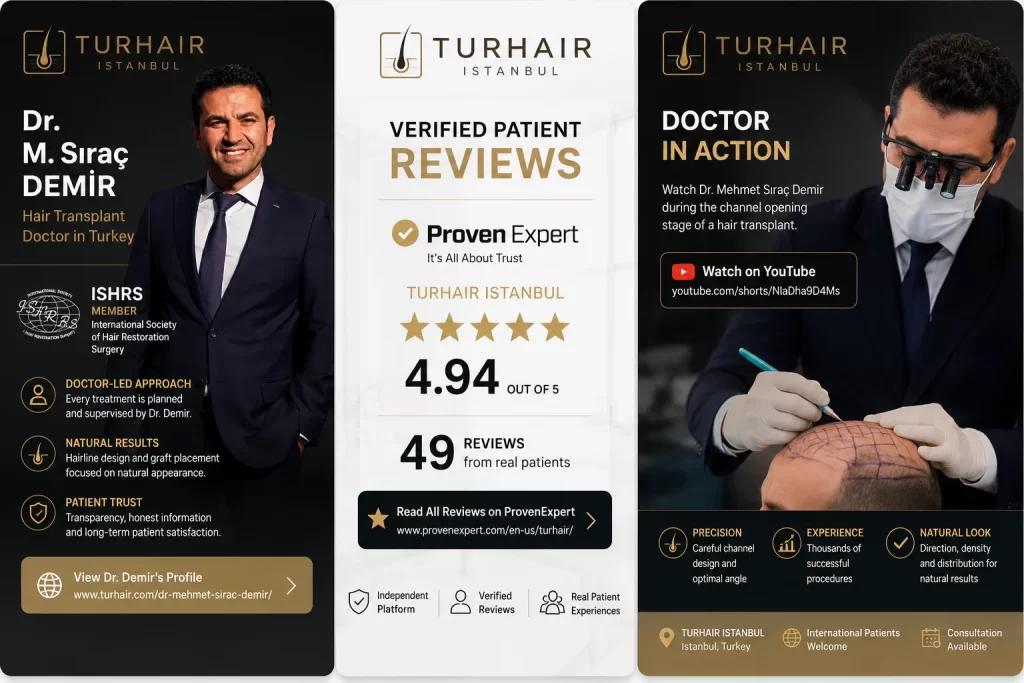
The TURHAIR Difference
At TURHAIR, we believe a hair transplant is not just a procedure, but a long-term investment in confidence, appearance, and quality of life.
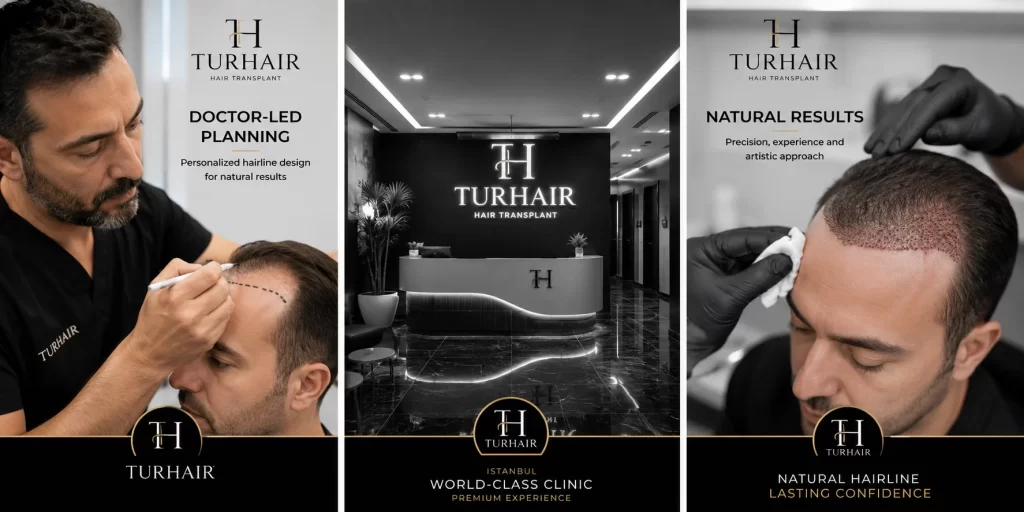
Our approach combines doctor-led planning, natural hairline design, personalized care, and premium patient experience.
Doctor-Led Approach
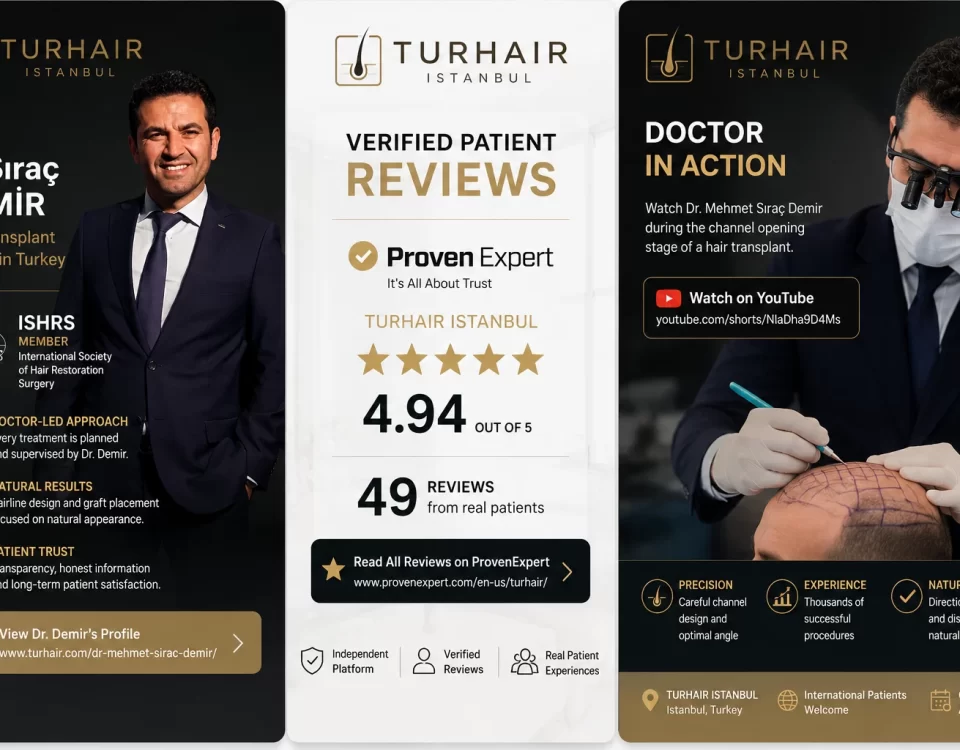
At TURHAIR, critical stages of the procedure are planned with precision and medical expertise. We focus on safety, artistry, and long-term results rather than mass production.
Natural Hairline Design
A natural result starts with the right hairline. We design each hairline according to facial proportions, age, hair structure, and future hair loss pattern for a realistic outcome.
Donor Area Protection
One of the biggest differences at TURHAIR is our careful donor management. We protect the donor area while maximizing visual density, helping preserve a balanced and healthy appearance.
High Density Planning
We do not focus only on graft numbers. Instead, we plan the distribution of grafts strategically to create the illusion of fullness, density, and natural coverage where it matters most.
Premium International Service
TURHAIR provides a smooth experience for international patients with multilingual support, airport transfers, hotel arrangements, and step-by-step assistance throughout the journey.
Aftercare That Continues
Our care does not end after the operation. We guide patients during the recovery period with aftercare instructions, follow-up communication, and support designed to protect the final result.
Why Patients Choose TURHAIR
Patients choose TURHAIR because they want more than a standard clinic experience. They want
natural results, honest planning, medical precision, and a team that values quality over quantity.
This is what makes the TURHAIR difference.
Frequently Asked Questions About Hair Transplants
If you are asking yourself “Is hair transplant worth it?”, these answers will help you understand the
results, cost, healing process, and long-term value of modern hair restoration at TURHAIR.
1. Is a hair transplant really worth it?
For many patients, a hair transplant is absolutely worth it because it offers a long-term and natural-looking
solution to hair loss. Unlike temporary products, hair transplantation uses your own healthy grafts, which means the result can
blend naturally with your existing hair when the planning and execution are done correctly.
The treatment is often considered worth it by people who want to improve their appearance, restore their hairline, and regain
everyday confidence. The key is choosing the right clinic, the right technique, and a team that focuses on natural density,
donor area protection, and realistic planning.
2. How long do hair transplant results last?
In most cases, hair transplant results are long-lasting. The transplanted follicles are usually taken from the donor
area, which is genetically more resistant to hair loss. Once these grafts heal and grow properly, they can continue growing for many years.
However, it is important to understand that your non-transplanted native hair may still continue thinning over time.
This is why professional planning matters so much. A good clinic does not only focus on the current bald area, but also on the future
pattern of your hair loss.
3. Does a hair transplant look natural?
Yes, a modern hair transplant can look very natural when it is performed with the right technique and an experienced medical team.
The most important factors are hairline design, graft placement angle, density planning, and donor management.
A natural result should not look artificial, too straight, or overly dense in the wrong areas. At an experienced clinic, the goal is
to match your facial proportions and create a result that looks balanced, age-appropriate, and realistic both from the front and the sides.
4. Is a hair transplant painful?
Most patients describe the procedure as very manageable rather than painful. Local anesthesia is used during the treatment,
so the most noticeable part is usually the first few seconds of numbing. After that, the procedure is generally comfortable.
After the operation, mild soreness, tightness, or sensitivity can happen for a short period, but this is usually temporary.
Following the clinic’s aftercare instructions carefully makes the recovery easier and helps protect the final result.
5. How much does a hair transplant cost in Turkey?
The cost of a hair transplant in Turkey can vary depending on the clinic, the doctor’s experience, the number of grafts,
and whether you choose FUE or DHI. Turkey remains one of the most popular countries because patients can often receive high-quality
treatment at more accessible prices compared to many European countries.
To understand the full price structure, you can also review our detailed guides on
hair transplant cost in Turkey
and
how much a hair transplant costs.
6. When will I see the final hair transplant result?
Hair transplant results take time. In the first few weeks, temporary shedding is normal. New growth usually begins gradually after the
early recovery period, and the hair becomes more visible over the following months.
In many cases, patients start noticing meaningful improvement within several months, while the full and mature result is usually
evaluated around 12 months. Patience is important, because transplanted hair grows in stages and continues improving over time.