Best Hair transplant in Turkey Reddit 2026
July 27, 2026
Hair Transplant Turkey vs USA (2026)
July 28, 2026Hair Transplant in Turkey Istanbul (2026): Complete Guide for International Patients
Looking for the best hair transplant in Turkey Istanbul in 2026? This comprehensive guide explains why Istanbul remains the world's leading destination for FUE, Sapphire FUE and DHI hair transplantation, what to expect during your journey, how to choose a reputable clinic, and the common mistakes international patients should avoid.
Hair Transplant in Turkey Istanbul (2026): What International Patients Should Know
A hair transplant in Turkey Istanbul in 2026 is a medical procedure in which healthy hair follicles are extracted from the donor area and implanted into thinning or bald areas using techniques such as FUE, Sapphire FUE or DHI. Istanbul is popular among international patients because it offers experienced medical teams, modern facilities, comprehensive travel packages and competitive treatment costs.
Why Is Istanbul Popular for Hair Transplant Surgery?
Istanbul has become one of the world’s best-known destinations for hair restoration. The city has two major international airports, a wide range of modern hospitals and clinics, experienced surgical teams and services designed specifically for overseas patients. Many packages include the hair transplant procedure, hotel accommodation, airport transfers, medication, translation assistance and post-operative support.
However, patients should not choose a clinic based only on price, social media advertising or the highest promised graft number. The quality of a hair transplant depends on the doctor’s involvement, donor-area management, hairline design, graft distribution, hygiene standards and long-term planning.
Which Hair Transplant Technique Is Best in 2026?
There is no single technique that is best for every patient. FUE is commonly used for extracting individual follicular units with minimal linear scarring. Sapphire FUE uses sapphire-tipped blades to create recipient channels, while DHI uses an implanter pen to place grafts directly into the recipient area. The appropriate method should be selected after evaluating the patient’s donor density, hair type, baldness pattern and treatment goals.
How Many Grafts Are Usually Needed?
A minor hairline restoration may require approximately 1,500 to 2,000 grafts. Moderate hair loss may require 2,500 to 3,500 grafts, while advanced cases may require 4,000 grafts or more. These figures are estimates. A responsible clinic should never promise an excessive graft number without first examining the safe donor capacity.
How Long Does Recovery Take?
Most patients can return to light daily activities within several days. The transplanted area usually forms small scabs that disappear within approximately 10 to 14 days. Temporary shedding commonly occurs during the first few months. New growth generally becomes visible from the fourth month, with more noticeable improvement between months six and ten. Final maturation may take 12 to 18 months.
Featured answer: The best hair transplant clinic in Istanbul is not necessarily the cheapest or the clinic offering the most grafts. Patients should prioritize a clearly identified doctor, personalized hairline planning, safe donor management, transparent surgical roles, limited daily operations and reliable post-operative follow-up.
Why Choose Hair Transplant in Turkey Istanbul?
Turkey continues to attract hundreds of thousands of international patients every year thanks to experienced surgeons, advanced technology, modern hospitals and competitive pricing. Istanbul has become the center of medical tourism because it combines internationally accessible airports, experienced medical teams and a large number of specialized hair restoration clinics. Industry reporting in 2026 continues to describe Istanbul as the primary destination for international hair transplant patients. :contentReference[oaicite:0]{index=0}Unlike many countries where hair transplantation is performed occasionally, experienced Istanbul clinics perform procedures daily, allowing medical teams to continuously refine their surgical techniques.- ✔ Experienced hair transplant surgeons
- ✔ Modern FUE technology
- ✔ Sapphire FUE & DHI techniques
- ✔ Affordable treatment packages
- ✔ Luxury hotel accommodation
- ✔ Airport & VIP transfers
- ✔ English-speaking patient coordinators
- ✔ International follow-up support
Why Istanbul Instead of Other Cities?
Although hair transplant clinics exist throughout Turkey, Istanbul offers the widest selection of experienced surgeons, internationally accredited hospitals and comprehensive services for overseas patients.The city is served by two international airports with direct flights from Europe, North America, the Middle East and Asia, making travel convenient and reducing overall treatment time.Why TurHair and Dr. Mehmet Sıraç Demir Stand Out Among Hair Transplant Clinics in Istanbul
Choosing a hair transplant clinic in Turkey should never depend only on a low package price, a large Instagram following or an impressive number of online reviews. The most important differences are usually found behind the marketing: who evaluates the patient, who creates the treatment plan, who designs the hairline, who opens the recipient channels and how many patients the medical team accepts each day.
TurHair follows a doctor-led model focused on individualized planning, limited daily operations, transparent medical responsibility and natural-looking results.
1. Doctor-Led Planning Instead of Sales-Led Booking
One of the most important differences between TurHair and many high-volume clinics is the role of the doctor throughout the treatment journey. At some clinics, the first evaluation is performed mainly by a sales representative who focuses on availability, price and package upgrades. Medical details may only be discussed briefly on the operation day.At TurHair, the treatment philosophy is built around medical planning. Dr. Mehmet Sıraç Demir evaluates the hair-loss pattern, donor capacity, hair characteristics, facial proportions and long-term progression before determining the appropriate strategy. This matters because two patients with similar bald areas may require completely different approaches.| Evaluation Stage | TurHair & Dr. Demir | Typical High-Volume Clinic |
|---|---|---|
| Initial analysis | Medical suitability and donor assessment | Often focused first on package and booking |
| Hairline discussion | Designed according to facial structure and future loss | May follow a standard or highly aggressive template |
| Donor strategy | Conservative harvesting with long-term preservation | Maximum graft numbers may be emphasized |
| Medical responsibility | Clearly identified doctor-led structure | Responsibility may be divided between multiple teams |
2. Limited Daily Patients for Better Attention
Hair transplantation is a detailed procedure requiring concentration, planning and careful execution. When a clinic performs a very high number of operations every day, the surgeon may not be able to dedicate enough time to every patient. Different stages may be transferred between rotating technician teams, and the patient may not know exactly who is responsible.TurHair limits daily patient volume. This allows the medical team to give more attention to consultation, hairline refinement, graft distribution, donor management and post-operative instructions. A limited-patient model is not simply a luxury service feature; it can support consistency, communication and accountability.3. Hairline Design Based on the Individual Patient
A successful hair transplant should not look like a transplant. The hairline must suit the patient’s age, facial proportions, forehead shape, existing hair direction and likely future hair loss. An unnaturally low or perfectly straight hairline may look impressive immediately after surgery but artificial after the transplanted hair grows.Dr. Demir’s approach prioritizes facial harmony and age-appropriate design. Micro-irregularities, directional changes and density transitions are considered to create a softer and more natural appearance. The goal is not to copy another patient’s hairline but to design one that belongs to the individual.| Hairline Factor | Personalized TurHair Approach | Why It Matters |
|---|---|---|
| Patient age | Age-appropriate frontal positioning | Prevents an excessively low or juvenile design |
| Facial proportions | Design adapted to forehead and facial shape | Creates better visual balance |
| Hair direction | Recipient channels planned according to natural angles | Supports more natural styling and growth |
| Future loss | Long-term density and donor planning | Reduces the risk of an isolated transplanted zone |
4. Donor Protection Instead of Graft-Number Marketing
Many patients believe that a higher graft number automatically means a better result. In reality, graft numbers must be matched to donor capacity, hair thickness, scalp characteristics and the size of the recipient area. Excessive harvesting can leave the donor region thin, patchy or permanently depleted.TurHair does not promote maximum graft numbers as the only measure of quality. The priority is to use the available grafts strategically. Strong grafts may be placed in visually important areas, while density is distributed according to the patient’s needs and realistic donor limitations.| Planning Priority | Responsible Strategy | Risky Strategy |
|---|---|---|
| Graft number | Based on safe donor capacity | Promising the highest number to win the booking |
| Extraction pattern | Balanced across the safe donor zone | Overharvesting concentrated areas |
| Future surgery | Preserves options when possible | Uses nearly all available grafts in one session |
| Main objective | Long-term cosmetic improvement | Immediate marketing impact |
5. Transparent Packages and Clear Medical Roles
A professional clinic should clearly explain what is included, which technique is recommended, which steps are performed by the doctor and which steps are handled by trained assistants. Patients should not discover important details only after arriving in Istanbul.TurHair offers clearly structured treatment options. Depending on the selected package, patients can understand the level of doctor participation, accommodation, transfers, medication, post-operative products and follow-up support before confirming the procedure.| Service Standard | TurHair | What Patients Should Verify Elsewhere |
|---|---|---|
| Named doctor | Clearly identified | Ask for the full name and qualifications |
| Doctor involvement | Explained according to package | Ask who performs every surgical stage |
| Accommodation and transfers | Defined before travel | Confirm hotel category, nights and airport coverage |
| Post-operative support | Structured follow-up assistance | Confirm duration and communication channel |
| Treatment planning | Individualized | Avoid generic plans based only on photographs |
A Patient-Centered Experience for International Visitors
International patients need more than a surgical procedure. They also need reliable communication, airport coordination, hotel arrangements, translation assistance, medication instructions and access to the clinic after returning home. A well-organized treatment journey can reduce stress and help patients follow post-operative instructions correctly.TurHair’s international patient model combines the medical procedure with practical travel support. Patients receive information about arrival, consultation, operation day, first washing, medication use and the recovery timeline. This creates a more organized experience for visitors traveling from Europe, the United Kingdom, North America, the Middle East and other regions.The TurHair Difference
The difference is not based on claiming that every patient needs the same technique or the highest graft number. It is based on creating a responsible plan, defining the doctor’s role, protecting the donor area, limiting daily operations and supporting the patient before and after surgery.
Why Patients Choose Dr. Mehmet Sıraç Demir
Patients considering a hair transplant in Istanbul in 2026 are becoming more careful about doctor involvement and medical transparency. Dr. Mehmet Sıraç Demir represents a doctor-led alternative to anonymous, technician-dominated clinic models. His role in patient assessment, hairline planning and recipient-site creation—depending on the chosen treatment package—provides greater clarity about who is responsible for the key medical decisions.No ethical clinic should promise identical results to every patient. Hair density, donor strength, hair calibre, scalp condition, age and future hair loss all affect the final outcome. For this reason, TurHair focuses on realistic expectations rather than guaranteed perfection.Choose Medical Responsibility, Not Only Marketing
When comparing hair transplant clinics in Turkey, ask who will examine you, who will design your hairline, who will open the channels, how many patients are treated each day and how your donor area will be protected. These questions reveal far more than follower counts, promotional discounts or exaggerated graft promises.
TurHair and Dr. Mehmet Sıraç Demir combine personalized planning, doctor-led responsibility and international patient support for individuals seeking a natural and carefully managed hair transplant experience in Istanbul.
| Feature | Istanbul | Other Cities |
|---|---|---|
| International Flights | ★★★★★ | ★★★☆☆ |
| Experienced Surgeons | ★★★★★ | ★★★☆☆ |
| Luxury Hotels | ★★★★★ | ★★★★☆ |
| Patient Coordinators | ★★★★★ | ★★★☆☆ |
| Clinic Variety | ★★★★★ | ★★☆☆☆ |
Most Popular Hair Transplant Techniques in 2026
FUE Hair Transplant
Follicular Unit Extraction (FUE) remains the most widely performed technique in Istanbul. Individual grafts are extracted and implanted with minimal scarring and natural-looking results.Sapphire FUE
Sapphire blades allow smaller incisions, potentially improving precision while reducing tissue trauma and healing time.DHI Hair Transplant
Direct Hair Implantation (DHI) utilizes implanter pens, allowing implantation without creating recipient channels separately. It is particularly useful for increasing density or treating smaller areas.2026 Trend: Natural Results Over Maximum Graft Numbers
One of the biggest changes in 2026 is the growing emphasis on natural hairlines, facial harmony and long-term planning rather than simply transplanting the highest possible number of grafts. Recent industry commentary highlights a shift from maximizing graft counts to designing results that continue to look natural years later. :- Natural hairline design
- Age-appropriate density
- Conservative donor management
- Long-term planning
- Customized surgical strategy
Doctor-Led Clinics vs Technician-Only Clinics
Not every clinic in Istanbul provides the same level of medical care. One of the most important questions patients should ask is:"Who actually performs the surgery?"
In a genuine doctor-led clinic, the surgeon evaluates your donor area, designs the hairline, creates the recipient sites and supervises the procedure.In high-volume clinics, many surgical steps may be delegated to technicians. Patients should understand exactly who performs each stage before booking. Community discussions frequently advise patients to verify surgeon involvement rather than relying solely on marketing. :contentReference[oaicite:3]| Doctor-Led Clinic | High-Volume Hair Mill |
|---|---|
| Doctor consultation | Sales consultation |
| Personalized planning | Standard protocol |
| Doctor designs hairline | Technician planning |
| Limited daily patients | High patient volume |
| Long-term follow-up | Limited aftercare |
What Is Usually Included in an All-Inclusive Package?
- Hair transplant procedure
- Consultation
- Blood tests
- PRP (clinic dependent)
- 2–3 nights hotel
- Airport transfers
- VIP transportation
- Medication
- Hair wash
- Post-operative kit
- Interpreter
- Online follow-up
How Many Grafts Will You Need?
| Hair Loss | Estimated Grafts |
|---|---|
| Minor Hairline | 1,500–2,000 |
| Moderate | 2,500–3,500 |
| Advanced | 4,000–5,500 |
| Extensive Hair Loss | 5,500+ |
Recovery Timeline
- Day 1: Procedure completed
- Day 2: First hair wash
- Week 2: Scabs disappear
- Month 2–3: Temporary shedding
- Month 4–6: New growth begins
- Month 8–10: Significant improvement
- Month 12–18: Final result
Common Mistakes Patients Make
- Choosing price over quality
- Ignoring surgeon experience
- Focusing only on graft numbers
- Booking without consultation
- Believing social media marketing alone
- Not asking who performs surgery
- Skipping long-term planning
How to Choose the Right Hair Transplant Clinic in Turkey Istanbul in 2026
Choosing a clinic for a hair transplant in Turkey Istanbul requires more than comparing prices, hotel packages or social media photographs. A successful procedure depends on medical planning, donor-area preservation, natural hairline design, surgical responsibility and long-term patient support.
The best hair transplant decision is based on who performs the procedure, how the treatment plan is created and whether the clinic protects the patient’s limited donor supply.
Start With a Professional Hair-Loss Assessment
Before recommending FUE, Sapphire FUE or DHI, a professional clinic should carefully evaluate the patient’s current hair-loss pattern. This assessment should include the frontal hairline, temples, mid-scalp, crown, donor density, hair thickness, scalp condition and possible future progression of hair loss.
Patients often focus only on the visible bald area. However, the donor region is equally important because it provides the follicles used during transplantation. The number of grafts that can be safely extracted is limited. A clinic should therefore avoid promising an unrealistic number before properly examining the donor area.
A responsible treatment plan should answer several questions. Is the patient a suitable candidate? Which areas should receive priority? Is the donor region strong enough? Should the hairline be conservative? Could the patient require another operation in the future? These decisions should be made according to individual anatomy rather than a standard package.
Natural Hairline Design Is More Important Than a Low Hairline
Many patients arrive in Istanbul requesting the lowest possible hairline. Although a low hairline may appear attractive in photographs taken immediately after surgery, it is not always suitable for the patient’s age, face or future hair-loss pattern.
A natural hairline should create balance between the forehead, eyebrows, temples and overall facial proportions. It should not be perfectly straight or excessively dense at the first row. Natural hairlines contain small irregularities, softer single-hair grafts and gradual density changes.
The angle and direction of implantation are also critical. Hair that is implanted too vertically may be difficult to style and may appear unnatural. Recipient channels should follow the patient’s existing growth direction wherever possible. This is one reason why the channel-opening stage can have a major influence on the final appearance.
Important: A successful hairline should look natural from the front, both sides and above. It should also remain appropriate as the patient becomes older.
Why Donor Management Determines Long-Term Success
The donor area is not an unlimited source of hair. Once follicles are extracted, they do not regenerate in the same location. Excessive harvesting can therefore create visible thinning, empty patches or an unnatural appearance at the back and sides of the scalp.
A carefully planned hair transplant distributes extraction points across the safe donor zone. The medical team should consider graft quality, follicle structure, hair calibre and spacing between extraction points. The objective is not simply to remove as many grafts as possible in one day. It is to achieve meaningful coverage while preserving the donor area.
This is particularly important for younger patients whose hair loss may continue. If the entire donor supply is used during the first operation, there may be limited options for restoring future thinning. Conservative planning helps protect the patient’s long-term appearance.
Understanding FUE, Sapphire FUE and DHI
FUE, or Follicular Unit Extraction, refers primarily to the method used to remove individual follicular units from the donor area. Small punches are used to extract grafts without creating a long linear scar. It remains one of the most widely used hair transplant approaches in Istanbul.
Sapphire FUE generally refers to the use of sapphire-tipped blades during the recipient-channel stage. These blades can be used to create precise incisions according to the planned direction, angle and density. However, the material of the blade alone does not guarantee a superior result. The experience and planning of the medical team remain essential.
DHI uses an implanter pen to insert grafts into the recipient area. It may be useful in selected cases, including smaller areas, density procedures or operations where partial shaving is preferred. DHI is not automatically better than FUE for every patient. The technique should be selected according to the size of the treatment area, graft requirement, hair characteristics and surgical plan.
| Technique | Main Feature | Suitable For | Key Consideration |
|---|---|---|---|
| FUE | Individual graft extraction | Small and large transplant areas | Safe extraction and donor protection |
| Sapphire FUE | Sapphire blades for recipient channels | Patients requiring channel-based implantation | Surgeon planning is more important than blade marketing |
| DHI | Implanter-pen placement | Selected density and partial-shave cases | Not necessary for every patient |
What Happens During a Hair Transplant Journey in Istanbul?
Most international patients arrive in Istanbul one day before their procedure. Depending on the clinic and package, airport transfer and hotel accommodation may be organized in advance. On the operation day, the patient undergoes consultation, hairline planning, scalp examination and blood tests before the procedure begins.
The donor area is usually shaved and prepared. Local anaesthesia is then administered. Grafts are extracted, sorted and protected until implantation. Recipient channels may be opened before the grafts are inserted, depending on the selected technique.
After surgery, the patient receives medication, sleeping instructions, washing guidance and information about protecting the transplanted area. The first wash may be performed by the clinic or demonstrated before the patient returns home.
How to Identify Misleading Hair Transplant Marketing
Some clinics present themselves as large medical institutions even when most communication is handled by sales agencies or external coordinators. Attractive branding, celebrity promotions and thousands of online reviews do not automatically prove surgical quality.
Patients should ask for the full name of the doctor, the doctor’s role during surgery, the number of daily operations, the identity of the medical team and examples of results from patients with similar hair characteristics.
Be cautious when a clinic guarantees a specific density, promises an unlimited number of grafts or pressures the patient to pay a deposit immediately. Medical treatment should involve realistic expectations and clear explanations of possible limitations.
Why Follow-Up Care Matters After Returning Home
The surgical procedure is only one part of the hair restoration process. During the first two weeks, patients must follow washing, sleeping and scalp-protection instructions. Swelling, redness, scabbing and temporary sensitivity may occur during early recovery.
Temporary shedding is also expected. This does not mean that the transplant has failed. The implanted follicles enter a resting phase before producing new hair. Growth usually becomes visible gradually, and the final result requires patience.
A reputable clinic should remain available for photographs, questions and progress evaluation. Patients should know who to contact after returning home and how frequently follow-up images should be sent.
Hair Transplant in Turkey Istanbul (2026): Common Questions Every Patient Should Ask Before Booking
Choosing a hair transplant in Turkey Istanbul is one of the most important cosmetic decisions many people will make. While Istanbul has earned an international reputation for hair restoration, not every clinic follows the same medical standards. Patients who spend time asking the right questions before booking usually have a better understanding of the procedure, realistic expectations and greater confidence throughout their treatment journey.
The quality of a hair transplant is determined by medical planning, surgical precision and long-term thinking—not by advertisements or discounted package prices.
Who Will Actually Perform My Hair Transplant?
Perhaps the most important question is also the one many patients forget to ask. Some people assume that because a doctor's name appears on a website, that doctor performs every stage of every procedure. In reality, responsibilities vary between clinics.Patients should clearly understand who performs the consultation, who designs the hairline, who administers local anesthesia, who extracts the grafts, who creates the recipient sites and who implants the follicles. Transparency helps patients make informed decisions and understand exactly how the surgical team operates.A reputable clinic will explain each stage openly instead of avoiding the question or giving vague answers.Why Experience Matters More Than Marketing
Modern marketing allows almost every clinic to appear impressive online. Professional videos, influencer collaborations, luxury hotel photographs and thousands of social media followers can create a strong first impression. However, these marketing materials do not necessarily reflect surgical quality.Instead of judging a clinic only by online popularity, patients should examine consistent clinical results, natural hairlines, donor preservation and long-term follow-up photographs. Experience becomes especially important when treating advanced hair loss, curly hair, previous failed transplants or repair procedures.| Marketing Claim | Question Patients Should Ask |
|---|---|
| Thousands of reviews | Can I see patients with hair loss similar to mine? |
| Celebrity endorsements | Who performed the actual surgery? |
| Lowest package price | What medical services are included? |
| Maximum graft promises | Is my donor area capable of supporting that number? |
Every Patient Has Different Hair Characteristics
Hair transplantation is not a one-size-fits-all procedure. Thick hair provides different visual density than fine hair. Straight hair behaves differently from curly hair. Blonde hair reflects light differently than black hair. The angle of growth, scalp flexibility and donor density all influence the final cosmetic appearance.Because every patient is different, identical graft numbers can produce very different results. Two patients receiving 4,000 grafts may have noticeably different density simply because their natural hair characteristics are different.For this reason, realistic expectations are an essential part of every consultation.The Importance of Long-Term Planning
Hair loss is usually progressive. A transplant performed today should continue to look natural several years from now. Responsible planning considers not only today's bald area but also future changes.Patients in their twenties often continue losing native hair. If the transplanted hairline is placed too low or too many grafts are used during the first operation, future correction options may become limited. A balanced approach helps preserve donor reserves while maintaining a natural appearance over time.Professional planning focuses on how your hair will look in 10 years—not only how it looks immediately after surgery.
Traveling to Istanbul for Surgery
Most international patients stay in Istanbul for approximately three days. The first day is usually reserved for arrival, consultation and preparation. Surgery is commonly performed on the second day, followed by the first wash and post-operative instructions before departure.Many clinics offer hotel accommodation and airport transfers, making the experience more convenient for overseas visitors. Patients should also ask whether interpreters are available if English is not their first language.Recovery Expectations
Healing occurs gradually. Mild redness, swelling and small scabs are common during the first two weeks. Temporary shedding usually begins several weeks after surgery and represents a normal stage of the hair growth cycle.New hairs generally begin appearing between months three and four. Density continues improving throughout the first year, while the final cosmetic result often develops between twelve and eighteen months.Patients should avoid comparing their progress to photographs taken at different recovery stages because every individual heals at a different pace.Choosing Quality Over Speed
Some patients want the quickest appointment possible. However, rushing into surgery without proper consultation may increase disappointment later. Taking time to compare clinics, understand the procedure and review realistic expectations is usually a better strategy than booking immediately because of a temporary discount.Hair transplantation is generally a once-in-a-lifetime investment for many people. Choosing a clinic based on medical standards instead of aggressive marketing can significantly improve the overall experience.| Before Booking | After Booking |
|---|---|
| ✓ Verify doctor involvement ✓ Review genuine patient results ✓ Understand graft estimates ✓ Confirm package details | ✓ Follow medication instructions ✓ Protect the donor area ✓ Attend the first wash ✓ Continue long-term follow-up |
Final Advice for Hair Transplant Patients in 2026
A hair transplant in Turkey Istanbul can provide natural and long-lasting improvement when the procedure is carefully planned. Patients should compare clinics according to doctor involvement, donor management, hairline design, daily patient volume, surgical transparency and aftercare rather than choosing only the lowest price. The right clinic will explain both the possibilities and the limitations before asking the patient to book.
Hair Transplant in Turkey Istanbul (2026) – Frequently Asked Questions
Find clear answers to the most common questions about hair transplant procedures in Istanbul, including FUE, Sapphire FUE, DHI, graft numbers, recovery, prices, doctor involvement and clinic selection.
These questions are designed to help international patients compare clinics, understand the treatment process and make a safer, more informed decision before travelling to Turkey.
Choose a Hair Transplant Clinic Based on Medical Responsibility
Before booking a hair transplant in Turkey, confirm the doctor’s role, safe graft estimate, donor-area strategy, package contents and follow-up process. Transparent answers are more valuable than exaggerated guarantees or temporary discounts.
Hair Transplant in Turkey: Recommended Guides and Resources
Explore detailed TurHair guides about hair transplant prices, FUE and DHI techniques, clinic selection, safety, recovery, all-inclusive packages and natural hair restoration results in Istanbul.
Use the internal links below to learn more about planning a safe and successful hair transplant in Turkey.
Research Before Choosing a Hair Transplant Clinic
Compare doctor involvement, donor-area management, hairline planning, treatment techniques, package details and aftercare before booking. A transparent medical plan is more important than choosing a clinic only because of a low price or a high advertised graft number.
Hair Transplant in Turkey Istanbul (2026): Complete Guide for International Patients
Looking for the best hair transplant in Turkey Istanbul in 2026? This comprehensive guide explains why Istanbul remains the world’s leading destination for FUE, Sapphire FUE and DHI hair transplantation, what to expect during your journey, how to choose a reputable clinic, and the common mistakes international patients should avoid.
Hair Transplant in Turkey Istanbul (2026): What International Patients Should Know
A hair transplant in Turkey Istanbul in 2026 is a medical procedure in which healthy hair follicles are extracted from the donor area and implanted into thinning or bald areas using techniques such as FUE, Sapphire FUE or DHI. Istanbul is popular among international patients because it offers experienced medical teams, modern facilities, comprehensive travel packages and competitive treatment costs.
Why Is Istanbul Popular for Hair Transplant Surgery?
Istanbul has become one of the world’s best-known destinations for hair restoration. The city has two major international airports, a wide range of modern hospitals and clinics, experienced surgical teams and services designed specifically for overseas patients. Many packages include the hair transplant procedure, hotel accommodation, airport transfers, medication, translation assistance and post-operative support.
However, patients should not choose a clinic based only on price, social media advertising or the highest promised graft number. The quality of a hair transplant depends on the doctor’s involvement, donor-area management, hairline design, graft distribution, hygiene standards and long-term planning.
Which Hair Transplant Technique Is Best in 2026?
There is no single technique that is best for every patient. FUE is commonly used for extracting individual follicular units with minimal linear scarring. Sapphire FUE uses sapphire-tipped blades to create recipient channels, while DHI uses an implanter pen to place grafts directly into the recipient area. The appropriate method should be selected after evaluating the patient’s donor density, hair type, baldness pattern and treatment goals.
How Many Grafts Are Usually Needed?
A minor hairline restoration may require approximately 1,500 to 2,000 grafts. Moderate hair loss may require 2,500 to 3,500 grafts, while advanced cases may require 4,000 grafts or more. These figures are estimates. A responsible clinic should never promise an excessive graft number without first examining the safe donor capacity.
How Long Does Recovery Take?
Most patients can return to light daily activities within several days. The transplanted area usually forms small scabs that disappear within approximately 10 to 14 days. Temporary shedding commonly occurs during the first few months. New growth generally becomes visible from the fourth month, with more noticeable improvement between months six and ten. Final maturation may take 12 to 18 months.
Featured answer: The best hair transplant clinic in Istanbul is not necessarily the cheapest or the clinic offering the most grafts. Patients should prioritize a clearly identified doctor, personalized hairline planning, safe donor management, transparent surgical roles, limited daily operations and reliable post-operative follow-up.
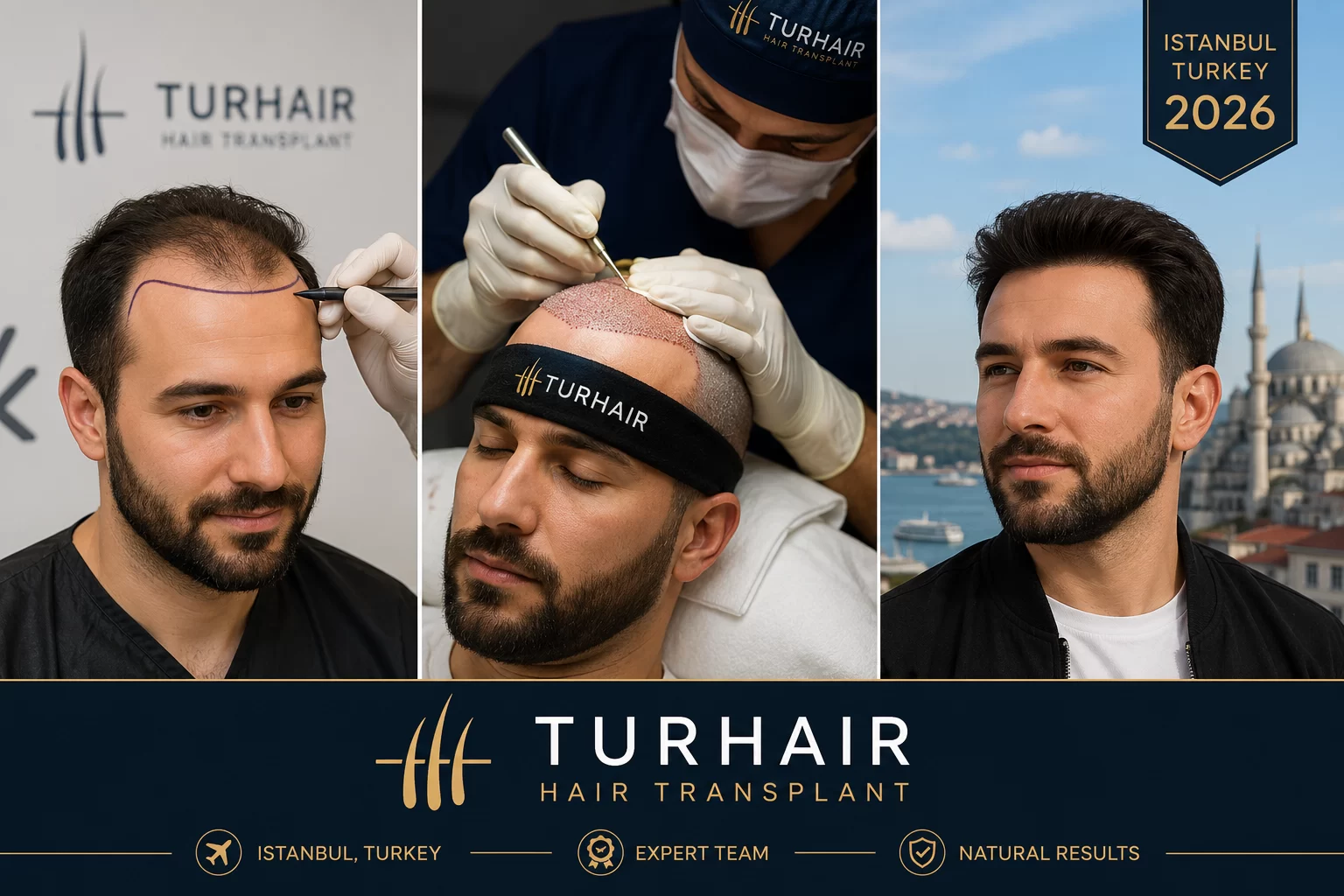
Hair Transplant in Turkey Istanbul (2026) | TurHair
Why Choose Hair Transplant in Turkey Istanbul?
Turkey continues to attract hundreds of thousands of international patients every year thanks to experienced surgeons, advanced technology, modern hospitals and competitive pricing. Istanbul has become the center of medical tourism because it combines internationally accessible airports, experienced medical teams and a large number of specialized hair restoration clinics. Industry reporting in 2026 continues to describe Istanbul as the primary destination for international hair transplant patients.
Unlike many countries where hair transplantation is performed occasionally, experienced Istanbul clinics perform procedures daily, allowing medical teams to continuously refine their surgical techniques.
- ✔ Experienced hair transplant surgeons
- ✔ Modern FUE technology
- ✔ Sapphire FUE & DHI techniques
- ✔ Affordable treatment packages
- ✔ Luxury hotel accommodation
- ✔ Airport & VIP transfers
- ✔ English-speaking patient coordinators
- ✔ International follow-up support
Why Istanbul Instead of Other Cities?
Although hair transplant clinics exist throughout Turkey, Istanbul offers the widest selection of experienced surgeons, internationally accredited hospitals and comprehensive services for overseas patients.
The city is served by two international airports with direct flights from Europe, North America, the Middle East and Asia, making travel convenient and reducing overall treatment time.
Why TurHair and Dr. Mehmet Sıraç Demir Stand Out Among Hair Transplant Clinics in Istanbul
Choosing a hair transplant clinic in Turkey should never depend only on a low package price, a large Instagram following or an impressive number of online reviews. The most important differences are usually found behind the marketing: who evaluates the patient, who creates the treatment plan, who designs the hairline, who opens the recipient channels and how many patients the medical team accepts each day.
TurHair follows a doctor-led model focused on individualized planning, limited daily operations, transparent medical responsibility and natural-looking results.
1. Doctor-Led Planning Instead of Sales-Led Booking
One of the most important differences between TurHair and many high-volume clinics is the role of the doctor throughout the treatment journey. At some clinics, the first evaluation is performed mainly by a sales representative who focuses on availability, price and package upgrades. Medical details may only be discussed briefly on the operation day.
At TurHair, the treatment philosophy is built around medical planning. Dr. Mehmet Sıraç Demir evaluates the hair-loss pattern, donor capacity, hair characteristics, facial proportions and long-term progression before determining the appropriate strategy. This matters because two patients with similar bald areas may require completely different approaches.
| Evaluation Stage | TurHair & Dr. Demir | Typical High-Volume Clinic |
|---|---|---|
| Initial analysis | Medical suitability and donor assessment | Often focused first on package and booking |
| Hairline discussion | Designed according to facial structure and future loss | May follow a standard or highly aggressive template |
| Donor strategy | Conservative harvesting with long-term preservation | Maximum graft numbers may be emphasized |
| Medical responsibility | Clearly identified doctor-led structure | Responsibility may be divided between multiple teams |
2. Limited Daily Patients for Better Attention
Hair transplantation is a detailed procedure requiring concentration, planning and careful execution. When a clinic performs a very high number of operations every day, the surgeon may not be able to dedicate enough time to every patient. Different stages may be transferred between rotating technician teams, and the patient may not know exactly who is responsible.
TurHair limits daily patient volume. This allows the medical team to give more attention to consultation, hairline refinement, graft distribution, donor management and post-operative instructions. A limited-patient model is not simply a luxury service feature; it can support consistency, communication and accountability.
3. Hairline Design Based on the Individual Patient
A successful hair transplant should not look like a transplant. The hairline must suit the patient’s age, facial proportions, forehead shape, existing hair direction and likely future hair loss. An unnaturally low or perfectly straight hairline may look impressive immediately after surgery but artificial after the transplanted hair grows.
Dr. Demir’s approach prioritizes facial harmony and age-appropriate design. Micro-irregularities, directional changes and density transitions are considered to create a softer and more natural appearance. The goal is not to copy another patient’s hairline but to design one that belongs to the individual.
| Hairline Factor | Personalized TurHair Approach | Why It Matters |
|---|---|---|
| Patient age | Age-appropriate frontal positioning | Prevents an excessively low or juvenile design |
| Facial proportions | Design adapted to forehead and facial shape | Creates better visual balance |
| Hair direction | Recipient channels planned according to natural angles | Supports more natural styling and growth |
| Future loss | Long-term density and donor planning | Reduces the risk of an isolated transplanted zone |
4. Donor Protection Instead of Graft-Number Marketing
Many patients believe that a higher graft number automatically means a better result. In reality, graft numbers must be matched to donor capacity, hair thickness, scalp characteristics and the size of the recipient area. Excessive harvesting can leave the donor region thin, patchy or permanently depleted.
TurHair does not promote maximum graft numbers as the only measure of quality. The priority is to use the available grafts strategically. Strong grafts may be placed in visually important areas, while density is distributed according to the patient’s needs and realistic donor limitations.
| Planning Priority | Responsible Strategy | Risky Strategy |
|---|---|---|
| Graft number | Based on safe donor capacity | Promising the highest number to win the booking |
| Extraction pattern | Balanced across the safe donor zone | Overharvesting concentrated areas |
| Future surgery | Preserves options when possible | Uses nearly all available grafts in one session |
| Main objective | Long-term cosmetic improvement | Immediate marketing impact |
5. Transparent Packages and Clear Medical Roles
A professional clinic should clearly explain what is included, which technique is recommended, which steps are performed by the doctor and which steps are handled by trained assistants. Patients should not discover important details only after arriving in Istanbul.
TurHair offers clearly structured treatment options. Depending on the selected package, patients can understand the level of doctor participation, accommodation, transfers, medication, post-operative products and follow-up support before confirming the procedure.
| Service Standard | TurHair | What Patients Should Verify Elsewhere |
|---|---|---|
| Named doctor | Clearly identified | Ask for the full name and qualifications |
| Doctor involvement | Explained according to package | Ask who performs every surgical stage |
| Accommodation and transfers | Defined before travel | Confirm hotel category, nights and airport coverage |
| Post-operative support | Structured follow-up assistance | Confirm duration and communication channel |
| Treatment planning | Individualized | Avoid generic plans based only on photographs |
A Patient-Centered Experience for International Visitors
International patients need more than a surgical procedure. They also need reliable communication, airport coordination, hotel arrangements, translation assistance, medication instructions and access to the clinic after returning home. A well-organized treatment journey can reduce stress and help patients follow post-operative instructions correctly.
TurHair’s international patient model combines the medical procedure with practical travel support. Patients receive information about arrival, consultation, operation day, first washing, medication use and the recovery timeline. This creates a more organized experience for visitors traveling from Europe, the United Kingdom, North America, the Middle East and other regions.
The TurHair Difference
The difference is not based on claiming that every patient needs the same technique or the highest graft number. It is based on creating a responsible plan, defining the doctor’s role, protecting the donor area, limiting daily operations and supporting the patient before and after surgery.
Why Patients Choose Dr. Mehmet Sıraç Demir
Patients considering a hair transplant in Istanbul in 2026 are becoming more careful about doctor involvement and medical transparency. Dr. Mehmet Sıraç Demir represents a doctor-led alternative to anonymous, technician-dominated clinic models. His role in patient assessment, hairline planning and recipient-site creation—depending on the chosen treatment package—provides greater clarity about who is responsible for the key medical decisions.
No ethical clinic should promise identical results to every patient. Hair density, donor strength, hair calibre, scalp condition, age and future hair loss all affect the final outcome. For this reason, TurHair focuses on realistic expectations rather than guaranteed perfection.
Choose Medical Responsibility, Not Only Marketing
When comparing hair transplant clinics in Turkey, ask who will examine you, who will design your hairline, who will open the channels, how many patients are treated each day and how your donor area will be protected. These questions reveal far more than follower counts, promotional discounts or exaggerated graft promises.
TurHair and Dr. Mehmet Sıraç Demir combine personalized planning, doctor-led responsibility and international patient support for individuals seeking a natural and carefully managed hair transplant experience in Istanbul.
| Feature | Istanbul | Other Cities |
|---|---|---|
| International Flights | ★★★★★ | ★★★☆☆ |
| Experienced Surgeons | ★★★★★ | ★★★☆☆ |
| Luxury Hotels | ★★★★★ | ★★★★☆ |
| Patient Coordinators | ★★★★★ | ★★★☆☆ |
| Clinic Variety | ★★★★★ | ★★☆☆☆ |
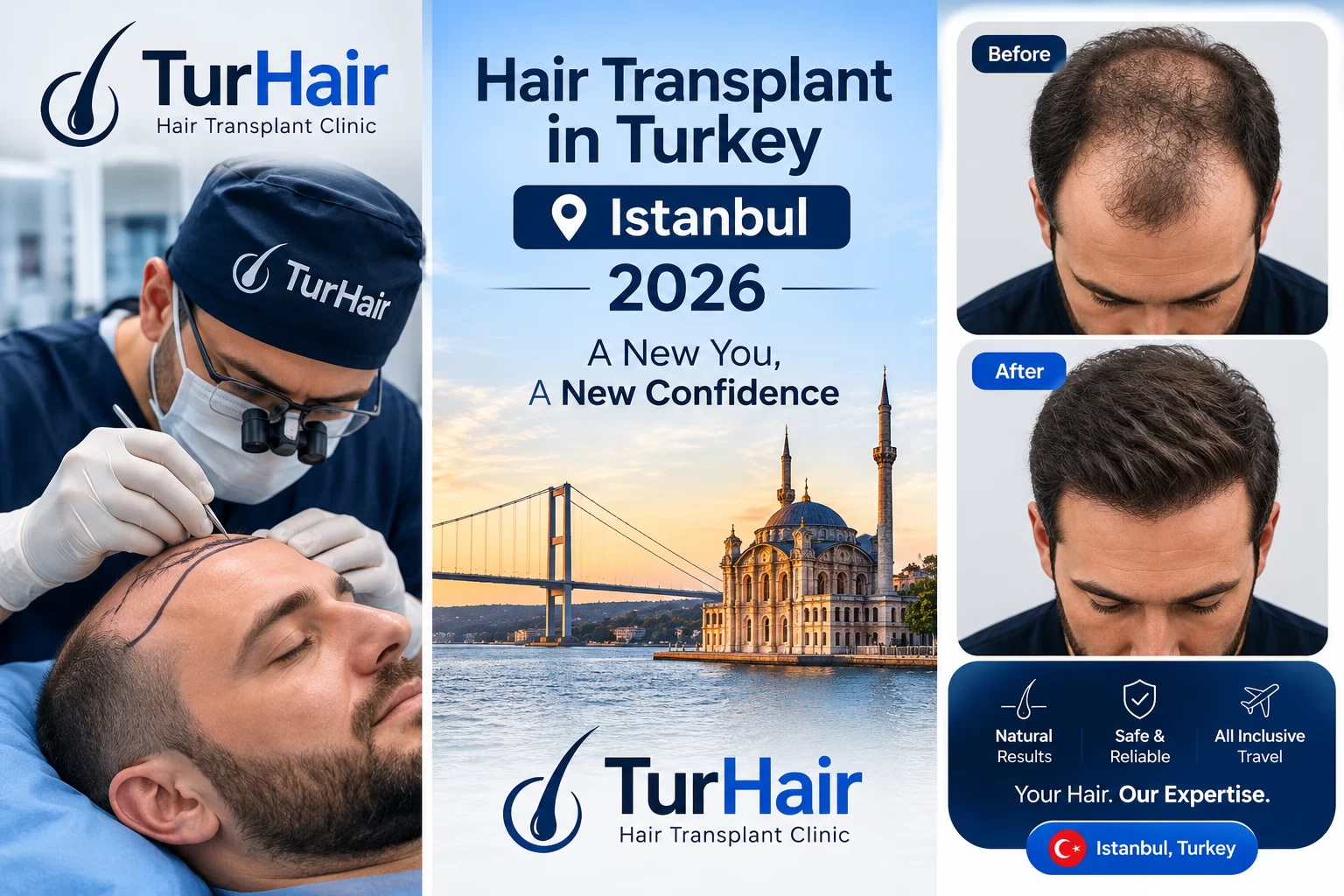
Doctor-led hair transplant in Istanbul, Turkey by TurHair and Dr. Mehmet Sıraç Demir. FUE, Sapphire FUE and DHI techniques with natural-looking results for international patients.
Most Popular Hair Transplant Techniques in 2026
FUE Hair Transplant
Follicular Unit Extraction (FUE) remains the most widely performed technique in Istanbul. Individual grafts are extracted and implanted with minimal scarring and natural-looking results.
Sapphire FUE
Sapphire blades allow smaller incisions, potentially improving precision while reducing tissue trauma and healing time.
DHI Hair Transplant
Direct Hair Implantation (DHI) utilizes implanter pens, allowing implantation without creating recipient channels separately. It is particularly useful for increasing density or treating smaller areas.
2026 Trend: Natural Results Over Maximum Graft Numbers
One of the biggest changes in 2026 is the growing emphasis on natural hairlines, facial harmony and long-term planning rather than simply transplanting the highest possible number of grafts. Recent industry commentary highlights a shift from maximizing graft counts to designing results that continue to look natural years later.
- Natural hairline design
- Age-appropriate density
- Conservative donor management
- Long-term planning
- Customized surgical strategy
Doctor-Led Clinics vs Technician-Only Clinics
Not every clinic in Istanbul provides the same level of medical care. One of the most important questions patients should ask is:
“Who actually performs the surgery?”
In a genuine doctor-led clinic, the surgeon evaluates your donor area, designs the hairline, creates the recipient sites and supervises the procedure.
In high-volume clinics, many surgical steps may be delegated to technicians. Patients should understand exactly who performs each stage before booking. Community discussions frequently advise patients to verify surgeon involvement rather than relying solely on marketing.
| Doctor-Led Clinic | High-Volume Hair Mill |
|---|---|
| Doctor consultation | Sales consultation |
| Personalized planning | Standard protocol |
| Doctor designs hairline | Technician planning |
| Limited daily patients | High patient volume |
| Long-term follow-up | Limited aftercare |
What Is Usually Included in an All-Inclusive Package?
- Hair transplant procedure
- Consultation
- Blood tests
- PRP (clinic dependent)
- 2–3 nights hotel
- Airport transfers
- VIP transportation
- Medication
- Hair wash
- Post-operative kit
- Interpreter
- Online follow-up
Always confirm exactly what is included before booking, as package contents vary between clinics and some advertised prices exclude optional services or medications.
How Many Grafts Will You Need?
| Hair Loss | Estimated Grafts |
|---|---|
| Minor Hairline | 1,500–2,000 |
| Moderate | 2,500–3,500 |
| Advanced | 4,000–5,500 |
| Extensive Hair Loss | 5,500+ |
Recovery Timeline
- Day 1: Procedure completed
- Day 2: First hair wash
- Week 2: Scabs disappear
- Month 2–3: Temporary shedding
- Month 4–6: New growth begins
- Month 8–10: Significant improvement
- Month 12–18: Final result
Common Mistakes Patients Make
- Choosing price over quality
- Ignoring surgeon experience
- Focusing only on graft numbers
- Booking without consultation
- Believing social media marketing alone
- Not asking who performs surgery
- Skipping long-term planning
A hair transplant in Turkey Istanbul remains one of the best options for international patients seeking experienced surgeons, advanced technology and excellent value. However, successful results depend on careful clinic selection, realistic expectations and choosing a team that prioritizes patient safety and natural outcomes over volume or marketing claims.
Whether you are considering FUE, Sapphire FUE or DHI in 2026, take time to verify surgeon involvement, review genuine patient results and ensure your treatment plan is tailored specifically to your pattern of hair loss.
How to Choose the Right Hair Transplant Clinic in Turkey Istanbul in 2026
Choosing a clinic for a hair transplant in Turkey Istanbul requires more than comparing prices, hotel packages or social media photographs. A successful procedure depends on medical planning, donor-area preservation, natural hairline design, surgical responsibility and long-term patient support.
The best hair transplant decision is based on who performs the procedure, how the treatment plan is created and whether the clinic protects the patient’s limited donor supply.
Start With a Professional Hair-Loss Assessment
Before recommending FUE, Sapphire FUE or DHI, a professional clinic should carefully evaluate the patient’s current hair-loss pattern. This assessment should include the frontal hairline, temples, mid-scalp, crown, donor density, hair thickness, scalp condition and possible future progression of hair loss.
Patients often focus only on the visible bald area. However, the donor region is equally important because it provides the follicles used during transplantation. The number of grafts that can be safely extracted is limited. A clinic should therefore avoid promising an unrealistic number before properly examining the donor area.
A responsible treatment plan should answer several questions. Is the patient a suitable candidate? Which areas should receive priority? Is the donor region strong enough? Should the hairline be conservative? Could the patient require another operation in the future? These decisions should be made according to individual anatomy rather than a standard package.
Natural Hairline Design Is More Important Than a Low Hairline
Many patients arrive in Istanbul requesting the lowest possible hairline. Although a low hairline may appear attractive in photographs taken immediately after surgery, it is not always suitable for the patient’s age, face or future hair-loss pattern.
A natural hairline should create balance between the forehead, eyebrows, temples and overall facial proportions. It should not be perfectly straight or excessively dense at the first row. Natural hairlines contain small irregularities, softer single-hair grafts and gradual density changes.
The angle and direction of implantation are also critical. Hair that is implanted too vertically may be difficult to style and may appear unnatural. Recipient channels should follow the patient’s existing growth direction wherever possible. This is one reason why the channel-opening stage can have a major influence on the final appearance.
Important: A successful hairline should look natural from the front, both sides and above. It should also remain appropriate as the patient becomes older.
Why Donor Management Determines Long-Term Success
The donor area is not an unlimited source of hair. Once follicles are extracted, they do not regenerate in the same location. Excessive harvesting can therefore create visible thinning, empty patches or an unnatural appearance at the back and sides of the scalp.
A carefully planned hair transplant distributes extraction points across the safe donor zone. The medical team should consider graft quality, follicle structure, hair calibre and spacing between extraction points. The objective is not simply to remove as many grafts as possible in one day. It is to achieve meaningful coverage while preserving the donor area.
This is particularly important for younger patients whose hair loss may continue. If the entire donor supply is used during the first operation, there may be limited options for restoring future thinning. Conservative planning helps protect the patient’s long-term appearance.
Understanding FUE, Sapphire FUE and DHI
FUE, or Follicular Unit Extraction, refers primarily to the method used to remove individual follicular units from the donor area. Small punches are used to extract grafts without creating a long linear scar. It remains one of the most widely used hair transplant approaches in Istanbul.
Sapphire FUE generally refers to the use of sapphire-tipped blades during the recipient-channel stage. These blades can be used to create precise incisions according to the planned direction, angle and density. However, the material of the blade alone does not guarantee a superior result. The experience and planning of the medical team remain essential.
DHI uses an implanter pen to insert grafts into the recipient area. It may be useful in selected cases, including smaller areas, density procedures or operations where partial shaving is preferred. DHI is not automatically better than FUE for every patient. The technique should be selected according to the size of the treatment area, graft requirement, hair characteristics and surgical plan.
| Technique | Main Feature | Suitable For | Key Consideration |
|---|---|---|---|
| FUE | Individual graft extraction | Small and large transplant areas | Safe extraction and donor protection |
| Sapphire FUE | Sapphire blades for recipient channels | Patients requiring channel-based implantation | Surgeon planning is more important than blade marketing |
| DHI | Implanter-pen placement | Selected density and partial-shave cases | Not necessary for every patient |
What Happens During a Hair Transplant Journey in Istanbul?
Most international patients arrive in Istanbul one day before their procedure. Depending on the clinic and package, airport transfer and hotel accommodation may be organized in advance. On the operation day, the patient undergoes consultation, hairline planning, scalp examination and blood tests before the procedure begins.
The donor area is usually shaved and prepared. Local anaesthesia is then administered. Grafts are extracted, sorted and protected until implantation. Recipient channels may be opened before the grafts are inserted, depending on the selected technique.
After surgery, the patient receives medication, sleeping instructions, washing guidance and information about protecting the transplanted area. The first wash may be performed by the clinic or demonstrated before the patient returns home.
How to Identify Misleading Hair Transplant Marketing
Some clinics present themselves as large medical institutions even when most communication is handled by sales agencies or external coordinators. Attractive branding, celebrity promotions and thousands of online reviews do not automatically prove surgical quality.
Patients should ask for the full name of the doctor, the doctor’s role during surgery, the number of daily operations, the identity of the medical team and examples of results from patients with similar hair characteristics.
Be cautious when a clinic guarantees a specific density, promises an unlimited number of grafts or pressures the patient to pay a deposit immediately. Medical treatment should involve realistic expectations and clear explanations of possible limitations.
Why Follow-Up Care Matters After Returning Home
The surgical procedure is only one part of the hair restoration process. During the first two weeks, patients must follow washing, sleeping and scalp-protection instructions. Swelling, redness, scabbing and temporary sensitivity may occur during early recovery.
Temporary shedding is also expected. This does not mean that the transplant has failed. The implanted follicles enter a resting phase before producing new hair. Growth usually becomes visible gradually, and the final result requires patience.
A reputable clinic should remain available for photographs, questions and progress evaluation. Patients should know who to contact after returning home and how frequently follow-up images should be sent.
Hair Transplant in Turkey Istanbul (2026): Common Questions Every Patient Should Ask Before Booking
Choosing a hair transplant in Turkey Istanbul is one of the most important cosmetic decisions many people will make. While Istanbul has earned an international reputation for hair restoration, not every clinic follows the same medical standards. Patients who spend time asking the right questions before booking usually have a better understanding of the procedure, realistic expectations and greater confidence throughout their treatment journey.
The quality of a hair transplant is determined by medical planning, surgical precision and long-term thinking—not by advertisements or discounted package prices.
Who Will Actually Perform My Hair Transplant?
Perhaps the most important question is also the one many patients forget to ask. Some people assume that because a doctor’s name appears on a website, that doctor performs every stage of every procedure. In reality, responsibilities vary between clinics.
Patients should clearly understand who performs the consultation, who designs the hairline, who administers local anesthesia, who extracts the grafts, who creates the recipient sites and who implants the follicles. Transparency helps patients make informed decisions and understand exactly how the surgical team operates.
A reputable clinic will explain each stage openly instead of avoiding the question or giving vague answers.
Why Experience Matters More Than Marketing
Modern marketing allows almost every clinic to appear impressive online. Professional videos, influencer collaborations, luxury hotel photographs and thousands of social media followers can create a strong first impression. However, these marketing materials do not necessarily reflect surgical quality.
Instead of judging a clinic only by online popularity, patients should examine consistent clinical results, natural hairlines, donor preservation and long-term follow-up photographs. Experience becomes especially important when treating advanced hair loss, curly hair, previous failed transplants or repair procedures.
| Marketing Claim | Question Patients Should Ask |
|---|---|
| Thousands of reviews | Can I see patients with hair loss similar to mine? |
| Celebrity endorsements | Who performed the actual surgery? |
| Lowest package price | What medical services are included? |
| Maximum graft promises | Is my donor area capable of supporting that number? |
Every Patient Has Different Hair Characteristics
Hair transplantation is not a one-size-fits-all procedure. Thick hair provides different visual density than fine hair. Straight hair behaves differently from curly hair. Blonde hair reflects light differently than black hair. The angle of growth, scalp flexibility and donor density all influence the final cosmetic appearance.
Because every patient is different, identical graft numbers can produce very different results. Two patients receiving 4,000 grafts may have noticeably different density simply because their natural hair characteristics are different.
For this reason, realistic expectations are an essential part of every consultation.
The Importance of Long-Term Planning
Hair loss is usually progressive. A transplant performed today should continue to look natural several years from now. Responsible planning considers not only today’s bald area but also future changes.
Patients in their twenties often continue losing native hair. If the transplanted hairline is placed too low or too many grafts are used during the first operation, future correction options may become limited. A balanced approach helps preserve donor reserves while maintaining a natural appearance over time.
Professional planning focuses on how your hair will look in 10 years—not only how it looks immediately after surgery.
Traveling to Istanbul for Surgery
Most international patients stay in Istanbul for approximately three days. The first day is usually reserved for arrival, consultation and preparation. Surgery is commonly performed on the second day, followed by the first wash and post-operative instructions before departure.
Many clinics offer hotel accommodation and airport transfers, making the experience more convenient for overseas visitors. Patients should also ask whether interpreters are available if English is not their first language.
Recovery Expectations
Healing occurs gradually. Mild redness, swelling and small scabs are common during the first two weeks. Temporary shedding usually begins several weeks after surgery and represents a normal stage of the hair growth cycle.
New hairs generally begin appearing between months three and four. Density continues improving throughout the first year, while the final cosmetic result often develops between twelve and eighteen months.
Patients should avoid comparing their progress to photographs taken at different recovery stages because every individual heals at a different pace.
Choosing Quality Over Speed
Some patients want the quickest appointment possible. However, rushing into surgery without proper consultation may increase disappointment later. Taking time to compare clinics, understand the procedure and review realistic expectations is usually a better strategy than booking immediately because of a temporary discount.
Hair transplantation is generally a once-in-a-lifetime investment for many people. Choosing a clinic based on medical standards instead of aggressive marketing can significantly improve the overall experience.
| Before Booking | After Booking |
|---|---|
| ✓ Verify doctor involvement ✓ Review genuine patient results ✓ Understand graft estimates ✓ Confirm package details | ✓ Follow medication instructions ✓ Protect the donor area ✓ Attend the first wash ✓ Continue long-term follow-up |
A successful hair transplant in Turkey Istanbul (2026) depends on much more than selecting a popular destination. The best outcomes are achieved through careful planning, realistic expectations, responsible donor management, natural hairline design and continuous follow-up after surgery.
Patients should choose clinics that emphasize transparency, individualized treatment plans and clear medical responsibility. By asking the right questions before booking, international visitors can make informed decisions and greatly increase the likelihood of achieving a natural, balanced and long-lasting result.
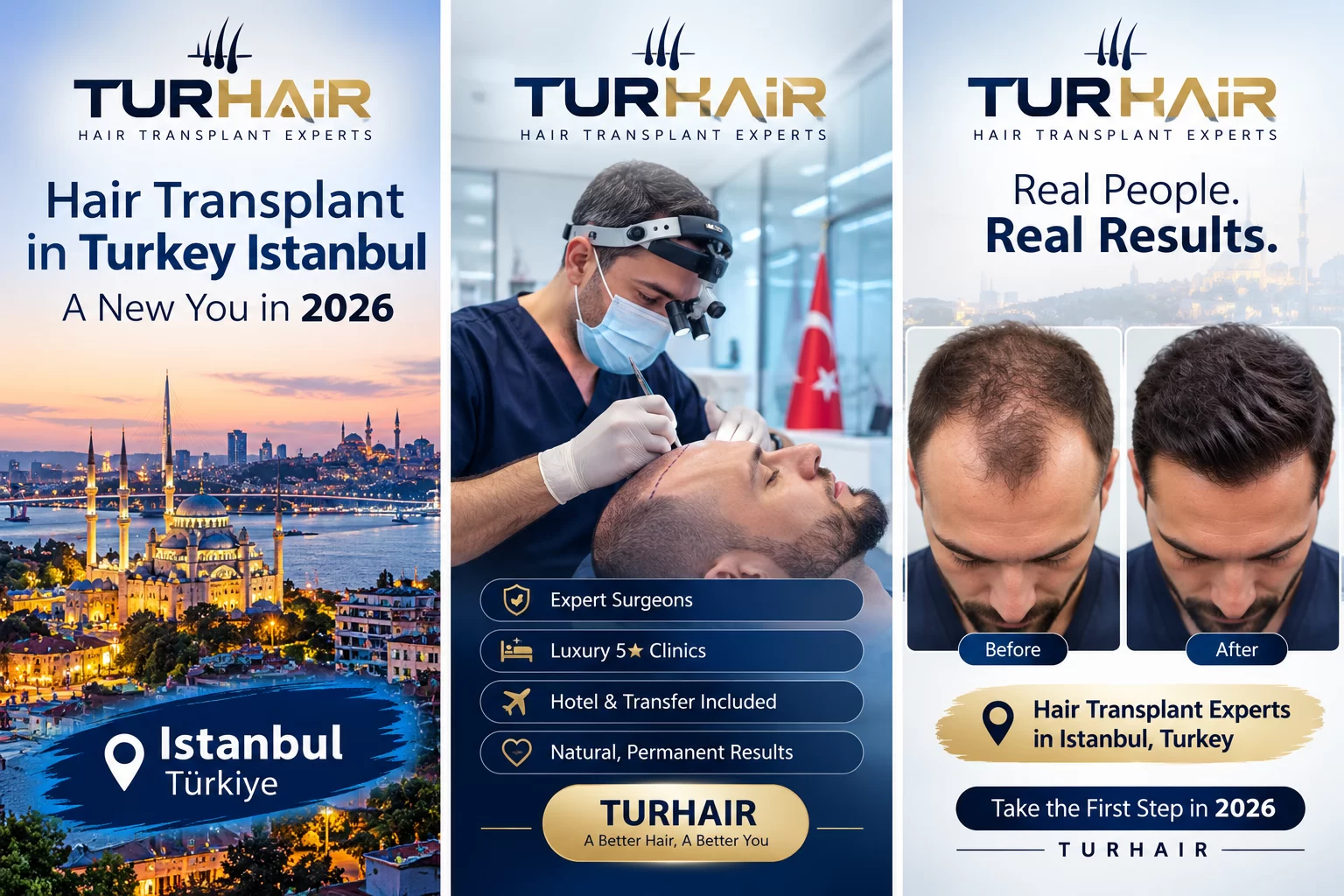
Doctor-led hair transplant in Istanbul, Turkey by TurHair and Dr. Mehmet Sıraç Demir. FUE, Sapphire FUE and DHI techniques with natural-looking results for international patients.
Final Advice for Hair Transplant Patients in 2026
A hair transplant in Turkey Istanbul can provide natural and long-lasting improvement when the procedure is carefully planned. Patients should compare clinics according to doctor involvement, donor management, hairline design, daily patient volume, surgical transparency and aftercare rather than choosing only the lowest price. The right clinic will explain both the possibilities and the limitations before asking the patient to book.
Hair Transplant in Turkey Istanbul (2026) – Frequently Asked Questions
Find clear answers to the most common questions about hair transplant procedures in Istanbul, including FUE, Sapphire FUE, DHI, graft numbers, recovery, prices, doctor involvement and clinic selection.
These questions are designed to help international patients compare clinics, understand the treatment process and make a safer, more informed decision before travelling to Turkey.
Choose a Hair Transplant Clinic Based on Medical Responsibility
Before booking a hair transplant in Turkey, confirm the doctor’s role, safe graft estimate, donor-area strategy, package contents and follow-up process. Transparent answers are more valuable than exaggerated guarantees or temporary discounts.
Hair Transplant in Turkey: Recommended Guides and Resources
Explore detailed TurHair guides about hair transplant prices, FUE and DHI techniques, clinic selection, safety, recovery, all-inclusive packages and natural hair restoration results in Istanbul.
Use the internal links below to learn more about planning a safe and successful hair transplant in Turkey.
Research Before Choosing a Hair Transplant Clinic
Compare doctor involvement, donor-area management, hairline planning, treatment techniques, package details and aftercare before booking. A transparent medical plan is more important than choosing a clinic only because of a low price or a high advertised graft number.