Hair Transplant Success Rate✨
June 8, 2026
Hair Transplant Risks
June 9, 20263000–4000 Graft Hair Transplant Turkey: Cost, Results, Recovery & Complete Guide
A 3000–4000 graft hair transplant in Turkey is one of the most popular solutions for men and women experiencing moderate to advanced hair loss. Turkey has become a global destination for hair restoration thanks to experienced surgeons, modern clinics, advanced techniques, and affordable pricing compared to the UK, Europe, and the United States.
If you are considering a 3000 graft hair transplant Turkey or a 4000 graft hair transplant Turkey procedure, understanding the number of grafts needed, expected coverage, recovery process, and final results is essential before making a decision.
What Does 3000–4000 Grafts Mean?
A graft is a small unit of hair follicles extracted from the donor area, usually the back and sides of the scalp. Each graft typically contains between 1 and 4 hairs.
When a patient receives:
- 3000 grafts – approximately 6,000–8,000 hairs
- 3500 grafts – approximately 7,000–9,000 hairs
- 4000 grafts – approximately 8,000–10,000 hairs
The exact number of hairs depends on the patient’s natural follicular grouping and donor hair characteristics.
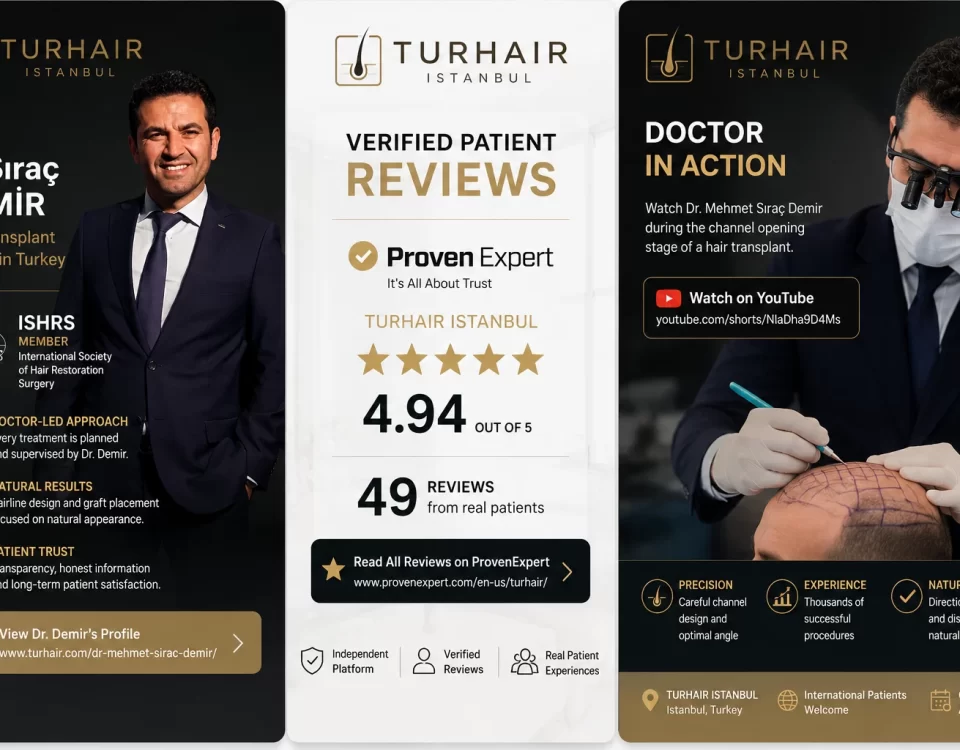
TurHair & Dr. Demir
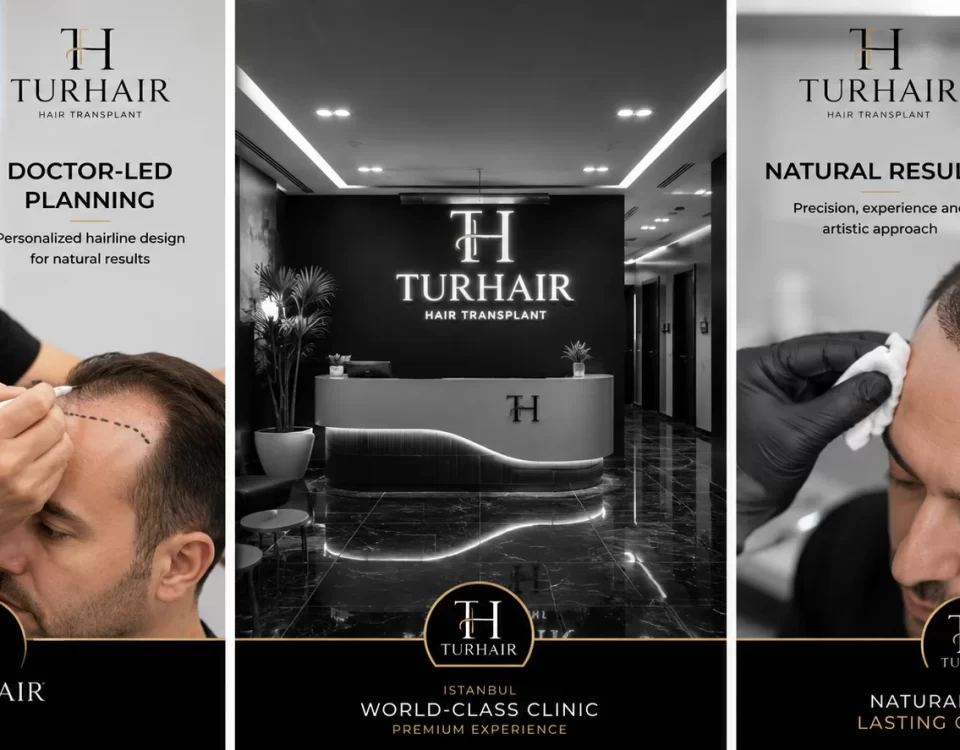
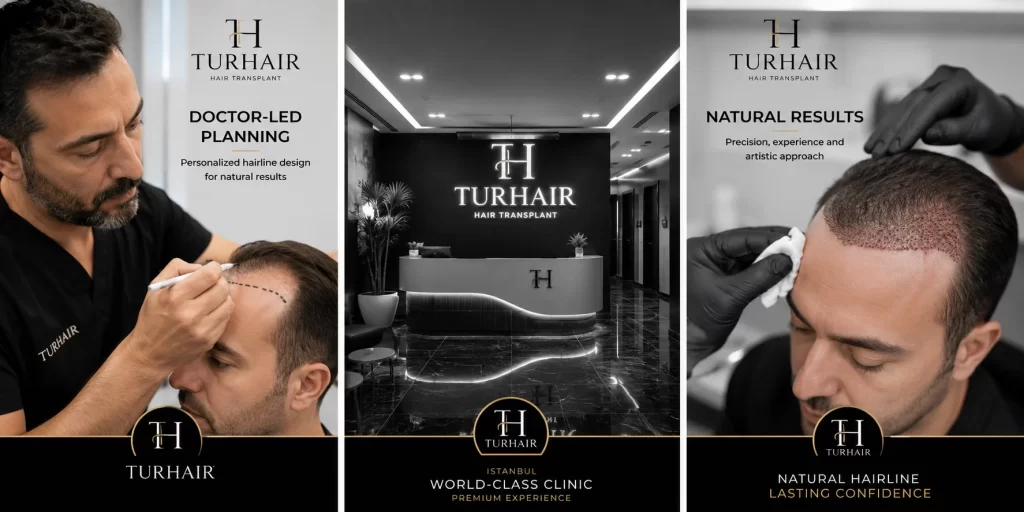
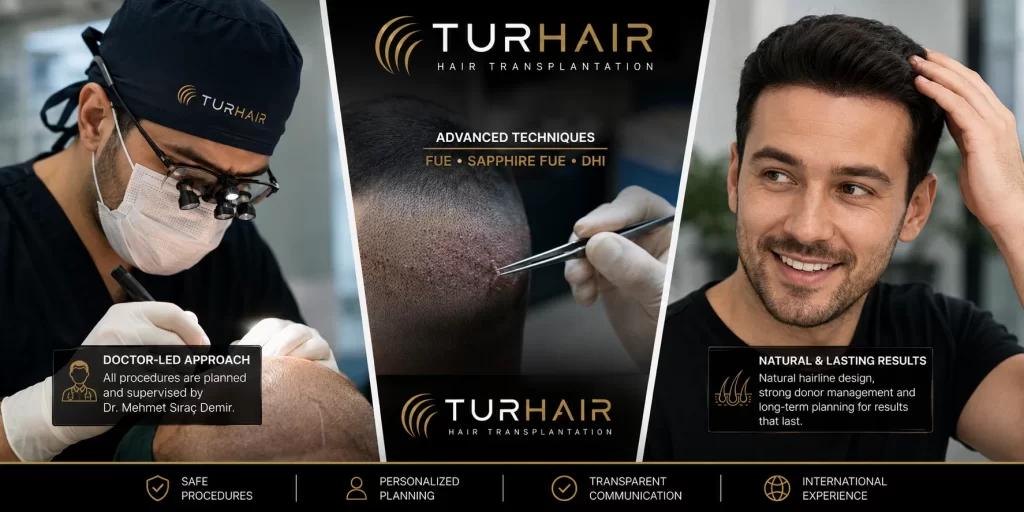
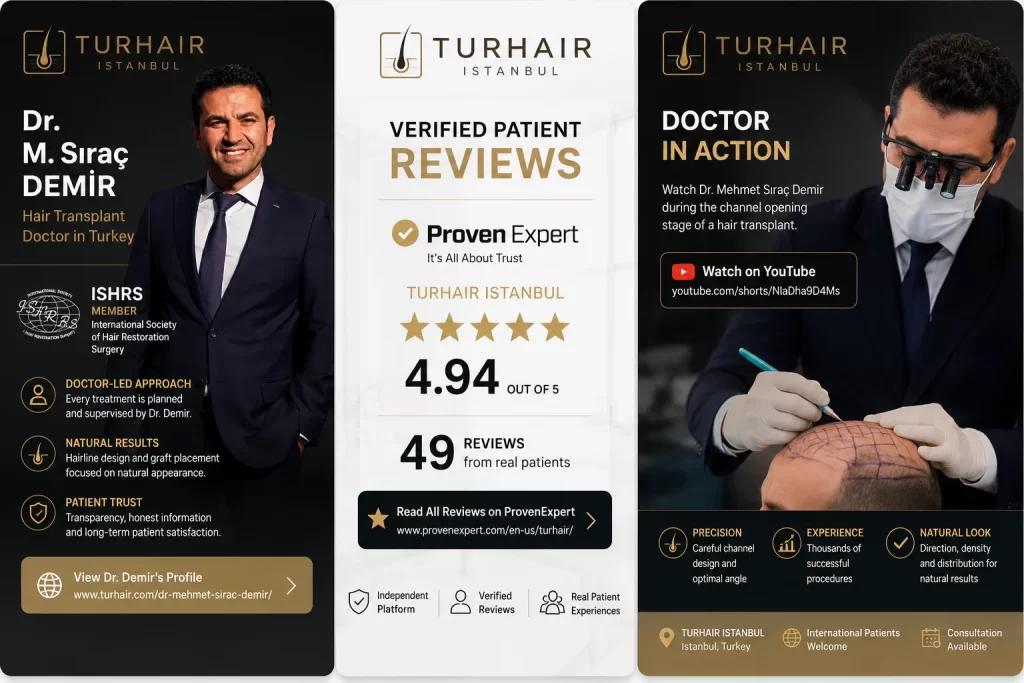
Choosing the right clinic is not only about the number of grafts. At TurHair, the focus is on doctor-led planning, natural hairline design, safe donor management, and long-term natural results.
Why Dr. Demir Makes the Difference
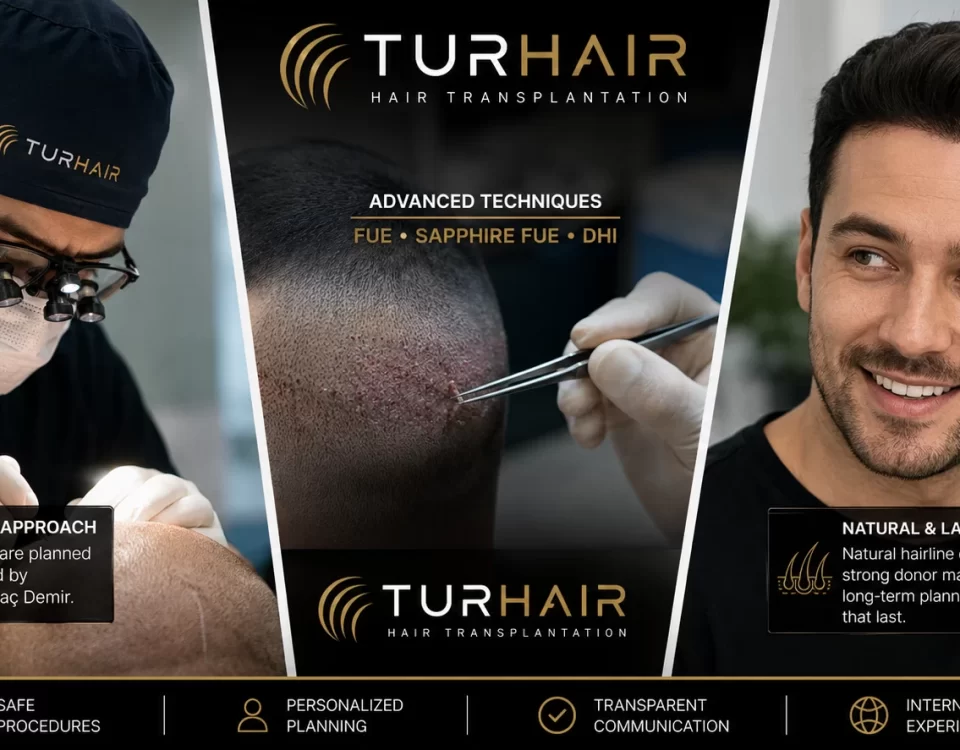
The channel opening stage is one of the most important parts of a hair transplant because it determines the direction, angle, density and natural appearance of the final result. At TurHair, Dr. Demir’s direct involvement provides a more controlled, artistic and medically safe approach.
Why International Patients Choose TurHair?
Many clinics advertise large graft numbers, but experienced patients know that a successful hair transplant depends on much more than quantity. The most important factors are hairline design, channel opening technique, graft handling, donor area protection, and long-term planning. This is where TurHair and Dr. Demir stand apart.
For patients receiving a 3000–4000 graft hair transplant in Turkey, every graft matters. Poor planning can result in an unnatural hairline, low density, or overharvesting of the donor area. Dr. Demir focuses on achieving the best visual density while preserving the donor zone for future needs.
The Importance of Doctor-Led Channel Opening
One of the biggest differences between premium clinics and high-volume clinics is who performs the channel opening stage. The channels determine how transplanted hair will grow for the rest of the patient’s life. Incorrect angles can make even a technically successful procedure appear unnatural.
At TurHair, Dr. Demir personally performs this critical step, carefully controlling the direction, angle, and distribution of each implantation zone. This attention to detail contributes significantly to natural-looking outcomes and patient satisfaction.
VIP Hair Transplant Experience
- ✓ Personalized consultation before arrival
- ✓ Detailed hair and donor area analysis
- ✓ Hairline design by Dr. Demir
- ✓ Doctor-led channel opening procedure
- ✓ Modern FUE and DHI techniques
- ✓ Comfortable VIP transfers
- ✓ Hotel accommodation assistance
- ✓ Multilingual patient support
- ✓ Comprehensive aftercare guidance
- ✓ Follow-up support after returning home
Natural Results Over Maximum Graft Numbers
Many patients arrive in Turkey asking for the highest possible graft count. However, the most successful hair transplant results are achieved through intelligent planning rather than aggressive extraction. Removing too many grafts can damage the donor area and limit future options.
Dr. Demir focuses on achieving the optimal balance between density, coverage, and donor preservation. This philosophy helps create results that continue to look natural not only after one year but also many years later.
TurHair Philosophy: A successful hair transplant is not measured by how many grafts are extracted, but by how natural, dense, and sustainable the final result appears for the patient over the long term.
Who Is a Good Candidate for a 3000–4000 Graft Hair Transplant?
A hair transplant involving 3000–4000 grafts is generally suitable for patients with:
- Receding hairline
- Frontal baldness
- Crown thinning
- Norwood Scale 3–5 hair loss
- Moderate density loss across the top of the scalp
- Strong donor area at the back of the head
Patients with extensive baldness may require additional sessions beyond 4000 grafts to achieve maximum coverage and density.
How Much Area Can 3000–4000 Grafts Cover?
The coverage depends on hair caliber, color contrast, donor quality, and desired density. In most cases:
| Grafts | Coverage Level |
|---|---|
| 3000 | Hairline + frontal zone |
| 3500 | Hairline + mid-scalp |
| 4000 | Hairline + mid-scalp + partial crown |
An experienced surgeon will design the hairline and distribute grafts strategically to create a natural appearance and maximize visual density.
Hair Transplant Techniques Used in Turkey
FUE Hair Transplant
Follicular Unit Extraction (FUE) remains one of the most commonly performed hair transplant methods in Turkey. Individual grafts are extracted and implanted into recipient sites with minimal scarring and relatively fast recovery.
DHI Hair Transplant
Direct Hair Implantation (DHI) uses specialized implantation pens that allow surgeons to place grafts directly into the scalp. This technique can offer precise control over angle, direction, and density.
Sapphire FUE
Sapphire FUE uses sapphire blades during channel creation. Many patients choose this method because of its precision and potentially faster healing process.
Why Choose Turkey for a 3000–4000 Graft Hair Transplant?
Turkey has become the world’s leading destination for hair restoration for several reasons:
- Experienced hair transplant surgeons
- Modern medical facilities
- Advanced FUE and DHI techniques
- Affordable treatment packages
- Multilingual patient coordinators
- High international patient satisfaction rates
Every year, thousands of patients travel to Istanbul and other major Turkish cities to undergo hair transplant procedures and combine treatment with tourism.
3000–4000 Graft Hair Transplant Cost in Turkey
The cost of a 3000–4000 graft hair transplant in Turkey varies depending on the clinic, surgeon experience, technique used, and package inclusions.
Most packages may include:
- Consultation
- Hair analysis
- Hair transplant procedure
- Medication
- Aftercare products
- Hotel accommodation
- Airport transfers
- Interpreter support
Patients should focus on surgeon experience, medical standards, and natural results rather than selecting a clinic solely based on price.
Recovery After a 3000–4000 Graft Hair Transplant
The recovery timeline generally follows this pattern:
- Day 1–7: Mild redness and scabbing
- Week 2: Scabs naturally fall away
- Month 1: Shock loss phase begins
- Month 3–4: New growth becomes visible
- Month 6: Significant improvement in density
- Month 12: Near-final results achieved
- Month 18: Full maturation of transplanted hair
Following post-operative instructions carefully is crucial for achieving optimal graft survival and long-term success.
Expected Results From 3000–4000 Grafts
When performed by an experienced surgeon, a 3000–4000 graft hair transplant can provide:
- Natural-looking hairline
- Improved facial framing
- Increased hair density
- Long-lasting results
- Permanent transplanted hair growth
- Enhanced confidence and appearance
The final outcome depends on donor quality, surgical planning, hair characteristics, and patient compliance with aftercare recommendations.
How to Choose the Best Hair Transplant Clinic in Turkey
Before booking a procedure, consider the following factors:
- Surgeon’s experience and credentials
- Before and after photos
- Patient reviews
- Clinic hygiene standards
- Personalized treatment planning
- Transparent communication
- Comprehensive aftercare support
A successful hair transplant is not simply about the number of grafts transplanted. The surgeon’s artistic approach, hairline design, graft placement, and donor area management are equally important.
Conclusion
A 3000–4000 graft hair transplant in Turkey can transform the appearance of patients experiencing moderate to advanced hair loss. With advanced FUE, Sapphire FUE, and DHI techniques available, Turkey continues to attract international patients seeking natural-looking, permanent results. By choosing an experienced surgeon and following proper aftercare guidelines, patients can achieve excellent density, improved confidence, and long-term satisfaction from their hair restoration journey.
What Results Can You Expect From a 3000–4000 Graft Hair Transplant in Turkey?
One of the most common questions asked by international patients is whether 3000–4000 grafts are enough to achieve a full and natural-looking result. The answer depends on several factors, including the size of the bald area, hair characteristics, donor capacity, and the patient’s expectations.
For most individuals with moderate hair loss, a 3000 graft hair transplant in Turkey can restore the frontal hairline and provide good density across the front half of the scalp. Patients requiring broader coverage may benefit from 3500–4000 grafts, which can address the frontal zone, mid-scalp, and part of the crown.
Hair caliber also plays a significant role. Thick hair creates greater visual density than fine hair. Similarly, patients with curly or wavy hair often achieve fuller-looking results compared to those with straight, fine hair because each strand occupies more visual space.
Understanding Hair Density After 3000–4000 Grafts
Many patients mistakenly assume that more grafts automatically mean better results. In reality, successful hair transplantation is about creating the illusion of density through strategic graft placement.
Experienced surgeons distribute grafts differently across the scalp. Single-hair grafts are generally placed at the hairline to create a soft and natural appearance, while multi-hair grafts are positioned behind the hairline to maximize density.
Typical density targets may include:
- 35–45 grafts per cm² for natural coverage
- 45–55 grafts per cm² for increased density
- 55+ grafts per cm² for selected areas when donor supply allows
Not every patient requires maximum density. A well-designed transplant often looks fuller than a densely packed but poorly planned procedure.
What Happens During the Procedure?
A 3000–4000 graft hair transplant procedure usually takes between six and ten hours depending on the technique used and the complexity of the case.
The process generally includes:
- Medical consultation and scalp analysis
- Hairline design
- Local anesthesia administration
- Graft extraction from the donor area
- Channel creation
- Graft implantation
- Post-operative care instructions
Most patients remain awake throughout the procedure and experience minimal discomfort thanks to modern anesthesia techniques.
Why Turkey Became the Global Leader in Hair Transplantation
Turkey has developed a worldwide reputation for hair restoration over the last decade. Thousands of international patients travel to Istanbul every month seeking professional treatment combined with affordable pricing.
The country’s success stems from a combination of factors:
- Highly specialized medical teams
- Large procedural experience
- Advanced technology
- Competitive pricing
- Comprehensive treatment packages
- Strong international reputation
Many clinics perform hundreds of procedures every month, allowing medical teams to gain extensive experience with different hair loss patterns and patient profiles.
Recovery Timeline Month by Month
Understanding the recovery process helps patients set realistic expectations and avoid unnecessary concerns during the healing period.
First Week
Small scabs form around the transplanted grafts. Mild swelling and redness are normal and gradually subside.
Weeks Two to Four
Scabs naturally fall away. The scalp begins to look more normal, although some redness may remain in sensitive individuals.
Months One to Three
Many transplanted hairs enter the shock loss phase. This is a normal and expected part of the growth cycle.
Months Four to Six
New hairs begin emerging from the transplanted follicles. Patients typically notice visible improvement during this stage.
Months Six to Nine
Hair becomes thicker, stronger, and denser. Significant cosmetic improvements occur during this period.
Months Nine to Twelve
Most patients achieve approximately 80–90% of their final result.
Months Twelve to Eighteen
Final maturation occurs. Hair texture improves and the full outcome becomes visible.
Factors That Influence Final Results
Not all patients achieve identical outcomes from the same number of grafts. Several variables affect the final appearance:
- Donor hair quality
- Hair thickness
- Hair color
- Skin-to-hair contrast
- Age
- Extent of hair loss
- Surgical technique
- Aftercare compliance
Patients with dark hair and light skin often require more grafts to achieve the same visual density as patients with lower contrast between hair and scalp color.
Can 4000 Grafts Look Natural?
Absolutely. A properly executed 4000 graft hair transplant can look completely natural. The key lies in artistic hairline design, correct channel angles, and strategic graft distribution.
Natural hair does not grow in straight lines. Instead, it follows subtle irregular patterns and varying directions. Skilled surgeons replicate these characteristics during transplantation to ensure the result blends seamlessly with existing hair.
The goal is not simply to place hair follicles into the scalp but to recreate the appearance of naturally growing hair.
Long-Term Benefits of a 3000–4000 Graft Hair Transplant
One of the greatest advantages of hair transplantation is permanence. Transplanted follicles are typically resistant to the hormone responsible for male pattern baldness.
Long-term benefits include:
- Permanent hair growth
- Natural appearance
- Improved self-confidence
- Reduced dependence on concealers
- Enhanced professional and social confidence
- Low maintenance compared to temporary solutions
Once fully healed, transplanted hair can be cut, washed, styled, and treated just like natural hair.
Choosing the Right Clinic Matters More Than Graft Numbers
When researching a 3000–4000 graft hair transplant in Turkey, patients often focus heavily on the number of grafts offered. However, the surgeon’s experience, planning ability, and attention to detail are ultimately far more important than simply maximizing graft counts.
A well-executed 3500 graft procedure performed by an experienced surgeon can often produce better results than a poorly planned 5000 graft operation. Hair transplantation is both a medical procedure and an artistic process requiring precision, experience, and long-term vision.
By selecting a reputable clinic, following post-operative instructions, and maintaining realistic expectations, patients can achieve natural-looking, permanent hair restoration results that continue to improve for many years after the procedure.
How Many Hairs Do 3000–4000 Grafts Produce?
Patients often confuse grafts with individual hairs. A graft is a naturally occurring group of hair follicles that may contain one, two, three, or even four hairs. Therefore, the actual number of hairs transplanted during a procedure is significantly higher than the graft count itself.
For example:
- 3000 grafts may contain approximately 6,000–8,000 hairs.
- 3500 grafts may contain approximately 7,000–9,000 hairs.
- 4000 grafts may contain approximately 8,000–10,000 hairs.
This is one reason why a 4000 graft hair transplant in Turkey can create a dramatic transformation even for patients with significant hair loss. The final appearance depends not only on the number of grafts but also on how those grafts are distributed across the scalp.
3000 Grafts vs 4000 Grafts: What Is the Difference?
The difference between 3000 and 4000 grafts is not merely 1000 additional grafts. Those extra grafts can significantly improve density and coverage in key areas.
| Feature | 3000 Grafts | 4000 Grafts |
|---|---|---|
| Hairline Restoration | Excellent | Excellent |
| Frontal Density | High | Very High |
| Mid-Scalp Coverage | Good | Excellent |
| Crown Coverage | Limited | Moderate |
| Visual Density | Natural | Denser Appearance |
The ideal number of grafts should always be determined during a professional consultation rather than selected solely based on online examples.
Can Women Benefit From a 3000–4000 Graft Hair Transplant?
Although hair transplantation is often associated with male pattern baldness, many women also undergo successful hair restoration procedures in Turkey.
Female patients may benefit from 3000–4000 graft procedures when experiencing:
- Hairline recession
- Traction alopecia
- Diffuse thinning
- Scarring alopecia
- Genetic hair loss
Women generally require a personalized treatment plan because hair loss patterns differ significantly from those seen in men.
The Importance of Donor Area Quality
The donor area serves as the foundation of every successful hair transplant. Even the most advanced surgical techniques cannot compensate for poor donor quality.
Before recommending 3000–4000 grafts, surgeons evaluate:
- Hair thickness
- Hair density
- Scalp flexibility
- Follicular unit composition
- Future hair loss risk
A strong donor area allows surgeons to harvest grafts safely while maintaining a natural appearance in the donor zone.
Responsible donor management is particularly important because transplanted follicles are a limited resource that may be needed again in the future.
Does Age Matter for Hair Transplant Surgery?
Age is an important consideration when planning a 3000–4000 graft hair transplant. Younger patients often have ongoing hair loss, which means the surgeon must consider future progression before designing a hairline.
Older patients typically have more stable hair loss patterns, making long-term planning easier.
The best candidates usually:
- Have realistic expectations
- Possess adequate donor reserves
- Are in good overall health
- Have stabilized hair loss patterns
A conservative and age-appropriate hairline generally produces more natural results over time than an aggressively low hairline.
How to Prepare for Your Hair Transplant in Turkey
Preparation begins well before the procedure itself. Following your clinic’s instructions can help improve healing and graft survival.
Patients are commonly advised to:
- Avoid smoking before surgery
- Limit alcohol consumption
- Follow medication instructions carefully
- Stay hydrated
- Get adequate rest before the procedure
- Arrange comfortable travel plans
Most international patients stay in Turkey for two to three days, allowing sufficient time for the procedure and the first post-operative wash.
What Makes a Hairline Look Natural?
The hairline is the most visible aspect of a hair transplant. A natural hairline requires artistic planning and meticulous execution.
Several factors contribute to a realistic appearance:
- Appropriate height
- Natural irregularities
- Correct graft selection
- Proper angles
- Balanced facial proportions
Experienced surgeons avoid creating perfectly straight or overly dense hairlines because natural hair growth patterns are inherently irregular.
This attention to detail is often what separates average results from truly exceptional outcomes.
Will the Transplanted Hair Last Forever?
Hair transplanted from the donor area is generally resistant to the effects of DHT, the hormone responsible for male pattern baldness. As a result, transplanted follicles typically continue growing for many years.
However, patients should understand that non-transplanted native hair may continue thinning over time.
For this reason, some patients choose to combine transplantation with medical therapies recommended by their physician to maintain existing hair.
International Patients Continue Choosing Turkey
Turkey remains one of the world’s leading destinations for hair transplantation because it combines medical expertise, modern facilities, advanced techniques, and patient-focused service.
Whether you require 3000 grafts to restore your hairline or 4000 grafts for broader coverage, selecting an experienced clinic and surgeon is the most important decision you can make.
A carefully planned 3000–4000 graft hair transplant in Turkey can provide natural density, permanent growth, improved confidence, and life-changing results that continue to look natural for years to come. With proper planning, skilled execution, and professional aftercare, patients can achieve a fuller, younger-looking appearance while preserving the health of their donor area for the future.
Related Articles
Best Hair Transplant Turkey
– Learn how to choose the right clinic, compare techniques, and understand what makes a successful hair transplant.
Hair Transplant Before and After Turkey
– Explore real patient transformations and see what results are possible after 12 months.
Hair Transplant Turkey Cost
– Discover pricing factors, package options, and what influences hair transplant costs in Turkey.
Best Hair Transplant Doctors in Turkey
– Compare leading specialists and learn why doctor involvement matters.
All Inclusive Hair Transplant Turkey
– See what is included in VIP hair transplant packages for international patients.
Does Hair Transplant Hurt?
– Understand pain levels, recovery expectations, and post-operative comfort.