Best Hair Transplant Doctors in Turkey✨
June 8, 2026
3000–4000 Graft Hair Transplant Turkey✨
June 8, 2026Hair Transplant Success Rate: What Percentage of Hair Transplants Are Successful?
Hair transplant success rates can exceed 95% when performed by experienced surgeons using advanced FUE and DHI techniques. Learn how graft survival, hairline design, donor area quality and Dr. Demir’s physician-led approach help patients achieve natural and permanent hair restoration results in Turkey.
Hair transplant surgery has become one of the most effective and permanent solutions for hair loss. Modern techniques such as FUE (Follicular Unit Extraction) and DHI (Direct Hair Implantation) have dramatically improved the hair transplant success rate, allowing patients to achieve natural-looking and long-lasting results. However, many people considering the procedure ask the same question: What is the success rate of a hair transplant?
In general, a professionally performed hair transplant can achieve a success rate of 90% to 98%, depending on factors such as surgeon experience, donor hair quality, patient health, and post-operative care. Understanding these factors is essential for anyone seeking the best possible outcome.
What Is Considered a Successful Hair Transplant?
A successful hair transplant means that the transplanted hair follicles survive, grow naturally, and blend seamlessly with the patient’s existing hair. The procedure should create a natural hairline, adequate density, and long-term hair growth.
Success is measured by:
- Graft survival rate
- Natural appearance of the hairline
- Hair density achieved
- Patient satisfaction
- Long-term durability of results
When performed by an experienced hair transplant surgeon, most patients enjoy permanent results that continue to improve over 12 to 18 months following the procedure.
TurHair Difference & Dr. Demir Difference
At TurHair, hair transplantation is not treated as a standard procedure.
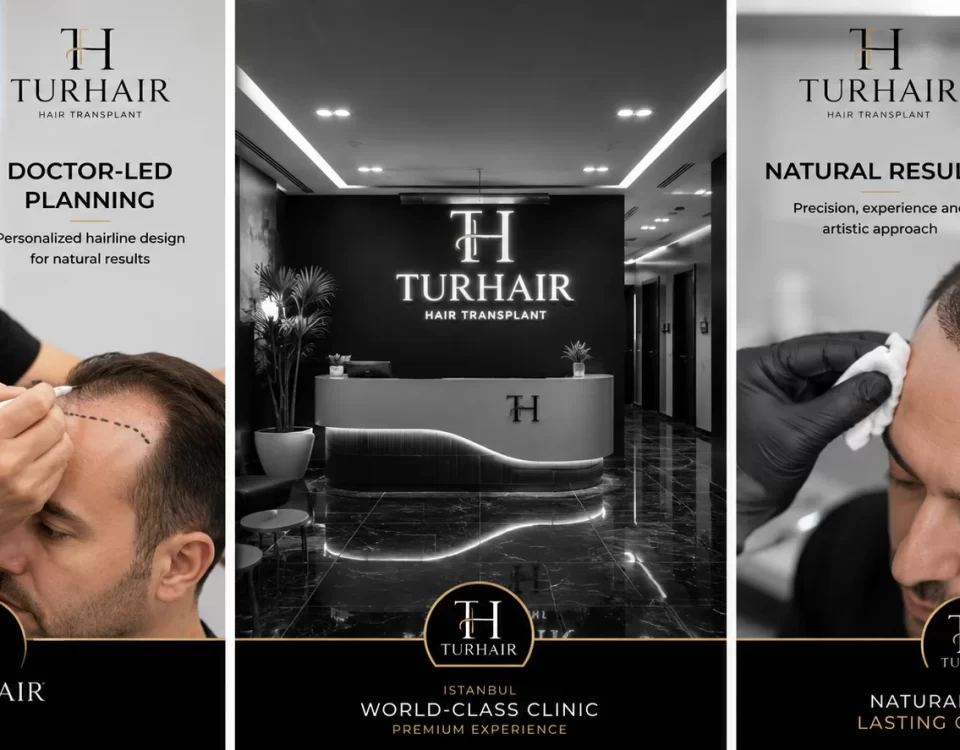
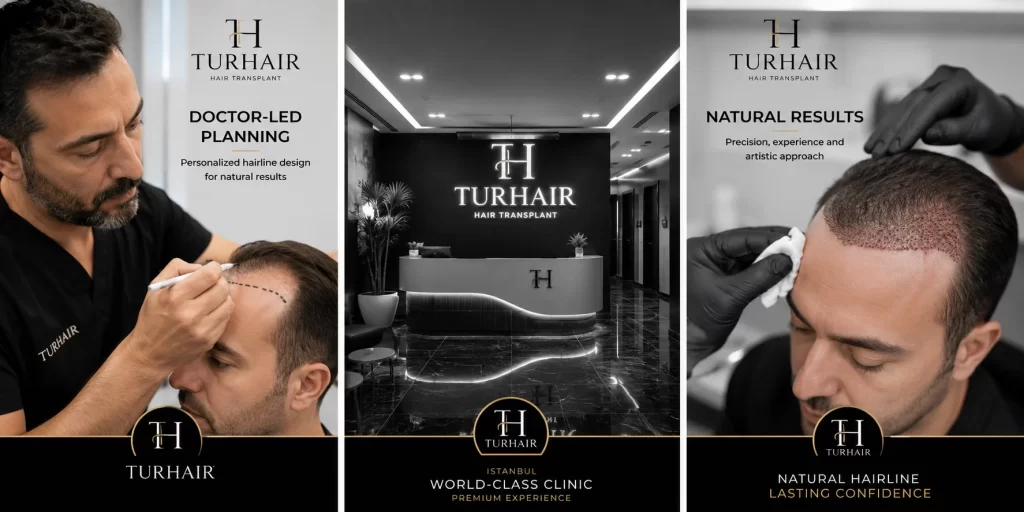
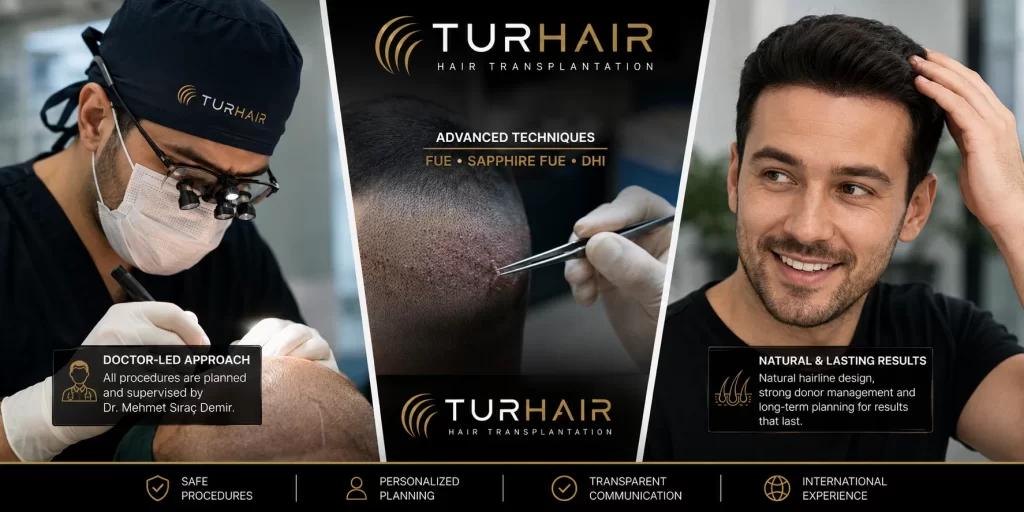
Every patient receives a personalized medical plan, natural hairline design, and doctor-led care.
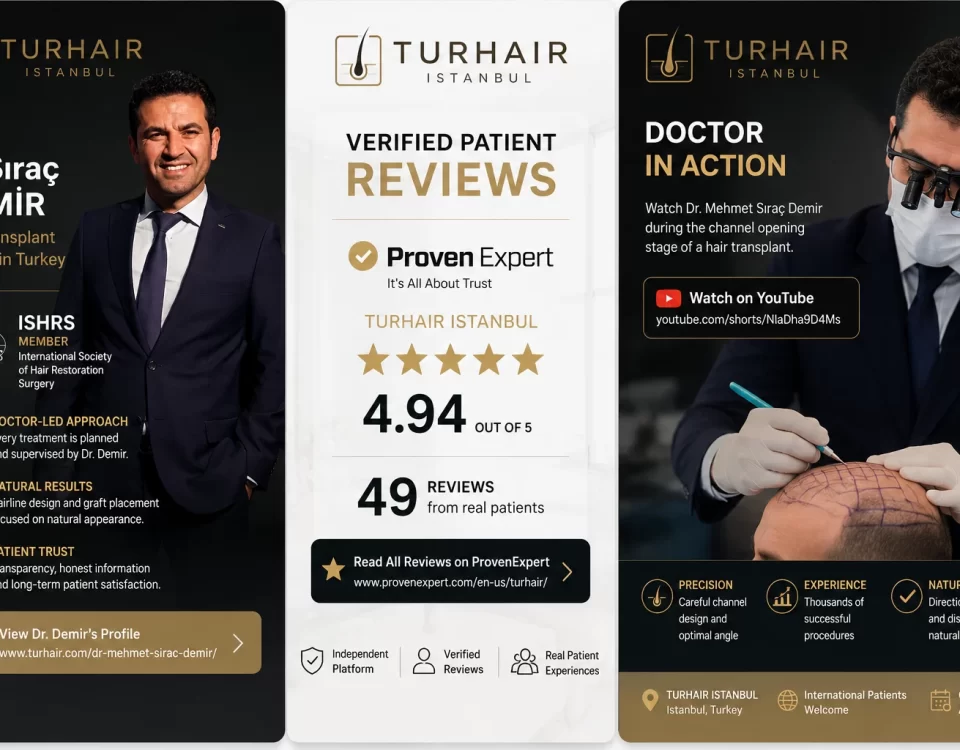
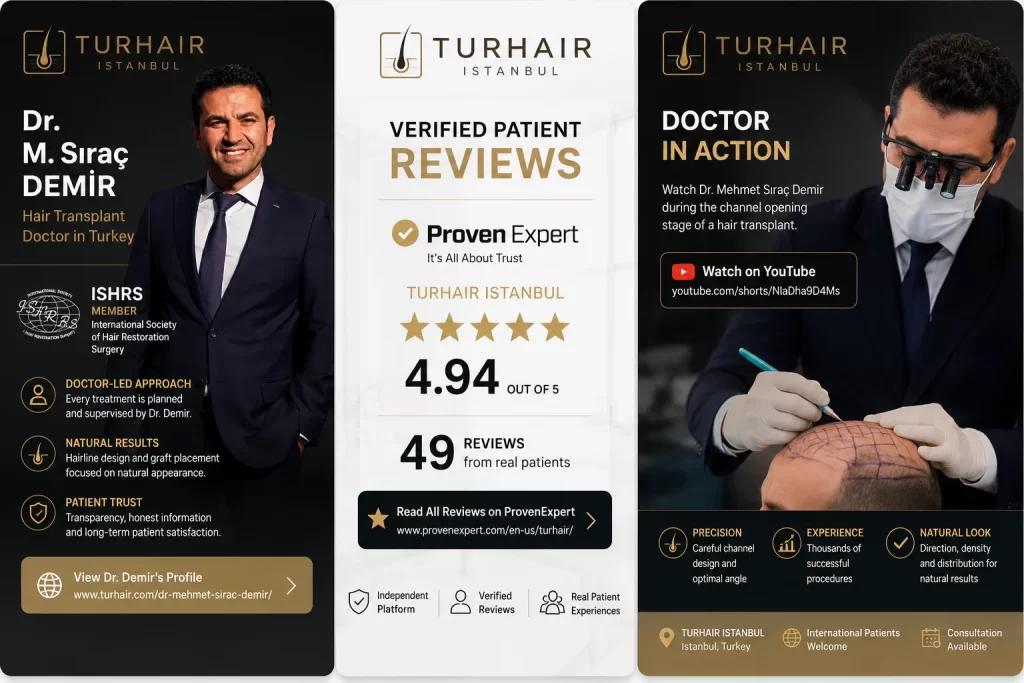
The biggest difference is that Dr. Demir personally manages the critical stages of the procedure.
Why Patients Choose TurHair
Doctor-Led Procedure
Dr. Demir is actively involved in the most important medical and aesthetic stages.
Natural Hairline
Hairline design is planned according to age, face shape, donor area and future hair loss.
High Graft Survival
Careful graft handling and precise channel opening support strong and healthy growth.
The Dr. Demir Advantage
The success of a hair transplant depends not only on the number of grafts, but also on
where, how and at what angle each graft is implanted.
This is why Dr. Demir’s direct involvement in channel opening and aesthetic planning creates
a major difference for patients seeking natural and long-lasting hair transplant results in Turkey.
Dr. Demir Difference in Hair Transplant Success Rate
A high hair transplant success rate is achieved through medical experience,
careful graft handling, correct channel direction and personalized planning.
At TurHair, Dr. Demir’s doctor-led approach helps patients achieve natural,
dense and long-lasting results.
TurHair VIP Medical Experience
Personal Consultation
Every patient is evaluated individually before the operation to determine the best technique,
graft number and hairline plan.
Doctor-Controlled Planning
Dr. Demir evaluates the donor area, hair loss stage and aesthetic goals before creating the treatment plan.
Premium Patient Care
From airport transfer to post-operative follow-up, TurHair offers a comfortable and organized medical journey.
Why Channel Opening Is Critical for Hair Transplant Success
Channel opening is one of the most important stages of a hair transplant because it determines
the angle, direction, depth and density of the implanted grafts. If channels are opened incorrectly,
the final result may look unnatural even if many grafts are transplanted. At TurHair, this critical
step is performed with medical precision by Dr. Demir, helping patients achieve a more natural
and aesthetically balanced result.
Better Planning. Better Angles. Better Results.
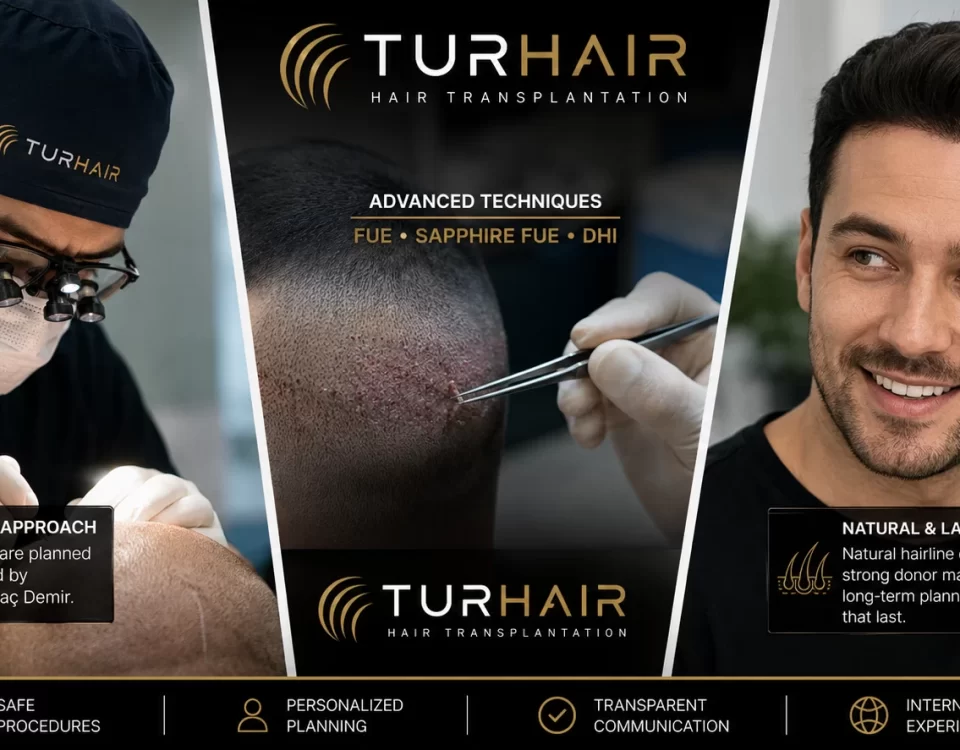
TurHair combines advanced hair transplant techniques with Dr. Demir’s personal medical involvement.
This approach supports higher graft survival, natural density and long-term patient satisfaction.
Average Hair Transplant Success Rate
Modern hair transplant techniques offer remarkably high success rates:
| Technique | Average Success Rate |
|---|---|
| FUE Hair Transplant | 90% – 95% |
| DHI Hair Transplant | 92% – 98% |
| Sapphire FUE | 90% – 97% |
The exact percentage depends on the expertise of the medical team and the quality of the donor area. Clinics specializing in hair restoration often report graft survival rates above 95%.
Factors That Affect Hair Transplant Success Rate
1. Surgeon Experience
The surgeon’s skill is arguably the most important factor affecting hair transplant success. An experienced surgeon understands how to design a natural hairline, determine the correct graft angles, and maximize graft survival.
Improper extraction or implantation can damage hair follicles and significantly reduce growth rates.
2. Quality of the Donor Area
The donor area, typically located at the back and sides of the scalp, provides the hair follicles used during transplantation. Strong, healthy donor hair increases the likelihood of successful growth.
Patients with dense donor areas generally achieve better coverage and higher overall satisfaction.
3. Hair Transplant Technique
Advanced methods such as DHI and Sapphire FUE have improved precision and reduced trauma to the scalp. These modern approaches often lead to higher graft survival rates and faster recovery.
Choosing the right technique depends on the patient’s hair type, degree of hair loss, and treatment goals.
4. Post-Operative Care
Following post-operative instructions is crucial for protecting newly implanted grafts. Patients must avoid activities that may damage follicles during the healing phase.
Key aftercare recommendations include:
- Avoid touching the grafts
- Sleep with the head elevated
- Follow washing instructions carefully
- Avoid smoking and excessive alcohol consumption
- Protect the scalp from direct sunlight
5. Patient Health
Overall health influences healing and follicle survival. Conditions such as diabetes, autoimmune disorders, or poor circulation may affect recovery and final outcomes.
A healthy lifestyle supports optimal hair growth after surgery.
Understanding Hair Growth After Transplantation
Many patients worry when transplanted hair sheds shortly after the procedure. This phenomenon is completely normal and known as shock loss.
Typical hair transplant timeline:
- Week 1-2: Initial healing begins.
- Month 1: Transplanted hairs may shed.
- Month 3-4: New hair growth starts.
- Month 6: Significant improvement becomes visible.
- Month 9: Most of the final result appears.
- Month 12-18: Full maturation and density.
Patients should remain patient throughout the process, as final results require time to develop.
Why Turkey Has High Hair Transplant Success Rates
Turkey has become the world’s leading destination for hair transplantation. Thousands of international patients travel to Istanbul every year due to the combination of experienced surgeons, advanced technology, and affordable pricing.
Several factors contribute to Turkey’s excellent reputation:
- Highly experienced hair transplant specialists
- State-of-the-art medical facilities
- Competitive treatment costs
- Large number of successful procedures performed annually
- Comprehensive medical tourism services
Many clinics in Turkey consistently report graft survival rates exceeding 95%, making the country a preferred choice for patients worldwide.
How to Increase Your Hair Transplant Success Rate
Patients can improve their chances of achieving outstanding results by taking several important steps before and after surgery.
- Choose a reputable clinic
- Research the surgeon’s credentials
- Review before-and-after photos
- Follow all pre-operative instructions
- Maintain a healthy diet
- Avoid smoking before and after surgery
- Attend follow-up appointments
Selecting a clinic based solely on price may increase the risk of poor outcomes. Expertise and medical standards should always be prioritized.
Common Reasons for Hair Transplant Failure
Although modern procedures are highly successful, failures can occur under certain circumstances.
Common causes include:
- Inexperienced surgical teams
- Poor graft handling
- Incorrect implantation angles
- Low-quality donor hair
- Failure to follow aftercare instructions
- Underlying medical conditions
These risks can be significantly reduced by choosing an experienced hair restoration specialist.
Final Thoughts on Hair Transplant Success Rate
The modern hair transplant success rate is exceptionally high, typically ranging from 90% to 98% when performed by qualified professionals. Advances in FUE, DHI, and Sapphire FUE techniques have transformed hair restoration into a predictable and reliable solution for hair loss.
Success depends on several factors, including surgeon expertise, donor hair quality, technique selection, and proper aftercare. Patients who choose an experienced clinic and carefully follow medical recommendations can expect natural-looking, permanent results that restore both hair and confidence.
If you are considering a hair transplant, understanding the factors that influence success rates will help you make an informed decision and maximize your chances of achieving the best possible outcome.
Why Patients Travel to Turkey for Hair Transplant Surgery
Turkey has become the world’s leading destination for hair restoration procedures.
Thousands of patients from Europe, North America, the Middle East and Australia travel to Istanbul every year seeking high-quality treatment at competitive prices.
However, experienced patients know that choosing the right clinic is far more important than simply choosing the country.
The true difference lies in the medical team, surgical planning and physician involvement.
This is where TurHair and Dr. Demir stand apart from many high-volume clinics.
What Makes Dr. Demir Different?
The Importance of Physician-Led Channel Opening
Many patients focus exclusively on the number of grafts transplanted. However, experienced hair restoration specialists understand that the success of a hair transplant depends heavily on channel creation.
The angle, depth and direction of each channel directly influence how the hair will grow after surgery.
This is why Dr. Demir personally performs channel opening instead of delegating this crucial step. Correct channel placement helps create softer transitions, natural density and a realistic hair growth pattern that is virtually indistinguishable from native hair.
TurHair Premium Patient Journey
| Stage | Service Included |
|---|---|
| Before Surgery | Online consultation, hair analysis and treatment planning |
| Arrival in Istanbul | VIP airport transfer and hotel assistance |
| Operation Day | Doctor-led procedure and personalized treatment |
| Recovery Period | Aftercare instructions and support |
| Long-Term Follow-Up | Progress monitoring and result evaluation |
Natural Results Are Not Accidental
Natural hair transplant results require medical expertise, artistic vision and surgical precision.
At TurHair, every stage is designed to maximize graft survival while maintaining a completely natural appearance.
The combination of personalized planning, physician-led channel opening and aesthetic hairline design is what makes Dr. Demir one of the most trusted hair transplant doctors in Turkey.
How to Choose a Hair Transplant Clinic With the Highest Success Rate
One of the most important decisions a patient will make is selecting the right clinic and surgeon. While advertisements often focus on low prices or high graft numbers, these factors alone do not determine the quality of the final result. The most successful hair transplant procedures are performed in clinics that prioritize medical standards, personalized treatment planning and long-term patient satisfaction.
Before choosing a clinic, patients should carefully evaluate the surgeon’s experience, previous results, patient reviews and level of physician involvement during the procedure. A clinic that performs hundreds of operations per week may not necessarily provide individualized attention. In many cases, patients are surprised to discover that the doctor they consulted with is not actively involved during surgery.
At leading hair transplant centers, every patient undergoes a detailed assessment of donor area quality, hair loss pattern, scalp condition and future hair loss progression. This planning process helps create a result that remains natural not only today, but also years later.
The Relationship Between Graft Survival and Hair Transplant Success
Graft survival rate is one of the most important indicators of hair transplant success. Every graft contains one or more hair follicles that must remain healthy throughout the extraction, storage and implantation process.
When grafts are handled improperly, exposed to excessive dehydration or implanted incorrectly, survival rates may decrease significantly. This can lead to lower density, patchy growth and disappointing results.
Modern techniques and experienced surgical teams can achieve graft survival rates exceeding 95%. However, this level of success requires meticulous attention to every stage of the procedure.
Several factors influence graft survival:
- Gentle extraction techniques
- Minimal graft handling
- Proper storage solutions
- Reduced out-of-body time
- Accurate implantation depth
- Experienced surgical staff
Patients should remember that transplanting more grafts does not automatically guarantee a better outcome. The quality and survival of those grafts are far more important than quantity alone.
Why Natural Hairline Design Is Essential
A successful hair transplant is not simply about growing hair. It is about creating a natural appearance that complements the patient’s facial structure and age.
The hairline is often the first thing people notice after a hair transplant. An overly aggressive, straight or low hairline may appear unnatural and can age poorly over time. Skilled surgeons understand that hairline design requires both medical knowledge and artistic vision.
Natural hairlines typically include:
- Age-appropriate positioning
- Soft and irregular transitions
- Natural density gradients
- Proper temporal recessions
- Balanced facial proportions
This attention to detail is what separates exceptional results from average outcomes.
Understanding Long-Term Hair Transplant Results
Many patients focus only on the first few months after surgery. However, true hair transplant success should be evaluated over the long term.
Transplanted hair is generally permanent because it is harvested from donor areas genetically resistant to hair loss. Nevertheless, native hair surrounding the transplanted region may continue to thin over time.
For this reason, experienced surgeons plan not only for current hair loss but also for future changes. Strategic graft placement helps maintain a natural appearance as the patient ages.
Long-term success often depends on:
- Conservative donor management
- Future hair loss prediction
- Appropriate graft distribution
- Medical therapy when indicated
- Healthy lifestyle habits
Patients who receive thoughtful long-term planning typically enjoy stable and natural-looking results for many years.
Hair Transplant Success Rate by Age
Age can influence treatment planning but does not necessarily determine success. Hair transplant procedures can be highly successful for both younger and older patients when performed correctly.
Younger patients often present unique challenges because future hair loss patterns may not yet be fully established. Surgeons must be cautious when designing hairlines and allocating grafts to avoid unnatural appearances later in life.
Older patients may benefit from more predictable hair loss patterns, allowing for more accurate long-term planning.
| Age Group | Key Consideration |
|---|---|
| 20-30 | Future hair loss prediction is critical |
| 30-45 | Excellent balance of donor quality and planning accuracy |
| 45+ | Stable patterns often support predictable outcomes |
Common Myths About Hair Transplant Success Rates
There are many misconceptions surrounding hair transplant procedures. Understanding the facts can help patients make informed decisions.
Myth 1: More Grafts Always Mean Better Results
In reality, natural density depends on strategic placement rather than simply transplanting the maximum number of grafts.
Myth 2: Hair Transplants Work Instantly
Hair growth is a gradual process. Most patients see meaningful improvement after several months, with final results appearing between 12 and 18 months.
Myth 3: Every Clinic Produces Similar Results
Experience, technique and physician involvement can significantly influence outcomes.
Myth 4: Hair Transplants Stop Future Hair Loss
Transplanted follicles are generally permanent, but surrounding native hair may continue to thin without proper management.
Final Verdict: Is Hair Transplantation Worth It?
For suitable candidates, hair transplantation remains one of the most effective and permanent solutions for hair loss. Modern techniques have made it possible to achieve natural hairlines, impressive density and long-lasting results with minimal downtime.
The key to success lies in selecting an experienced clinic, following proper aftercare and maintaining realistic expectations. When these elements come together, patients can achieve success rates exceeding 90% while enjoying a significant improvement in appearance and self-confidence.
As technology continues to evolve, hair transplantation is becoming even more precise and predictable. Patients who choose experienced professionals and prioritize quality over price are often rewarded with results that look completely natural and remain effective for many years.
Ultimately, the highest hair transplant success rates are achieved through a combination of medical expertise, artistic planning, advanced techniques and personalized patient care. These principles form the foundation of every successful hair restoration journey.
What Happens During the First Year After a Hair Transplant?
The first year following a hair transplant is a journey of gradual transformation. While many patients expect immediate results, hair restoration is a biological process that requires patience. Understanding the recovery timeline helps patients set realistic expectations and appreciate the stages of hair growth.
During the first few days after surgery, small scabs form around the transplanted grafts. These scabs are a normal part of healing and typically disappear within 7 to 14 days. The donor area also begins recovering during this period.
Within the first month, many patients experience a phenomenon known as shock loss. This temporary shedding of transplanted hairs is completely normal and should not be mistaken for transplant failure. The follicles remain healthy beneath the scalp and prepare for a new growth cycle.
Between months three and four, the first signs of new growth usually appear. Initially, the hair may look thin, soft and uneven. As the months progress, the transplanted hair becomes thicker, stronger and more consistent.
By month six, most patients notice significant improvement in coverage and density. Around month nine, approximately 70% to 80% of the final result becomes visible. Full maturation typically occurs between 12 and 18 months after surgery.
Why Turkey Leads the Global Hair Transplant Industry
Turkey has established itself as the global capital of hair transplantation. Every year, hundreds of thousands of international patients travel to Istanbul for hair restoration procedures.
Several factors contribute to Turkey’s reputation:
- Highly experienced hair transplant surgeons
- Advanced medical facilities
- Modern FUE and DHI technology
- Competitive treatment costs
- Comprehensive medical tourism infrastructure
- Multilingual patient coordinators
The country’s long experience in hair restoration has created a highly specialized industry focused on delivering natural-looking and long-lasting results.
However, patients should understand that not all clinics offer the same level of quality. Choosing a reputable clinic with experienced doctors remains essential for achieving optimal results.
The Importance of Donor Area Management
The donor area is often referred to as the foundation of a successful hair transplant. Hair follicles harvested from the back and sides of the scalp are genetically resistant to hair loss and are used to restore thinning or bald areas.
Because donor hair is limited, careful management is crucial. An inexperienced clinic may overharvest the donor area, creating visible thinning and reducing options for future procedures.
Experienced surgeons focus on:
- Preserving donor density
- Achieving balanced extraction patterns
- Avoiding visible scarring
- Planning for future hair loss
- Maximizing graft survival
Proper donor area management contributes significantly to overall hair transplant success and long-term patient satisfaction.
Hair Transplant Success for Different Hair Types
Hair characteristics can influence both the appearance and perceived success of a hair transplant.
Patients with thick, curly or wavy hair often achieve the illusion of greater density because each hair strand provides more coverage. Conversely, individuals with fine, straight hair may require more grafts to achieve a similar visual effect.
Hair color can also play a role. Patients whose hair color closely matches their scalp color often experience better visual density compared to those with high contrast between hair and skin.
Despite these differences, modern techniques allow excellent results across all hair types when treatment planning is personalized.
Psychological Benefits of a Successful Hair Transplant
Hair loss can affect more than physical appearance. For many individuals, it impacts confidence, self-image and social interactions.
Numerous patients report significant psychological improvements after a successful hair transplant. These benefits may include:
- Increased self-confidence
- Improved professional image
- Greater comfort in social situations
- Enhanced self-esteem
- Reduced anxiety related to appearance
While a hair transplant cannot solve every personal challenge, restoring hair often helps patients feel more comfortable and confident in their daily lives.
Can Hair Transplants Fail?
Although modern procedures achieve high success rates, no surgical procedure can guarantee perfect results in every case.
Potential causes of unsatisfactory outcomes include:
- Poor surgical technique
- Improper graft handling
- Inadequate aftercare
- Unrealistic patient expectations
- Medical conditions affecting healing
- Insufficient donor supply
Fortunately, most of these risks can be minimized by selecting an experienced surgeon and following all post-operative instructions carefully.
Patients should remember that successful hair restoration requires both surgical expertise and patient cooperation throughout the recovery process.
Future Innovations in Hair Transplantation
Hair restoration technology continues to evolve rapidly. Researchers and surgeons are constantly exploring new methods to improve graft survival, density and patient comfort.
Some emerging developments include:
- Advanced graft preservation solutions
- Artificial intelligence-assisted planning
- Enhanced imaging technology
- Regenerative medicine applications
- Stem cell-based research
- Improved implantation techniques
While traditional FUE and DHI procedures already deliver excellent outcomes, future innovations may further increase success rates and treatment possibilities.
How to Maximize Hair Growth After Surgery
Patients play an important role in achieving optimal results after a hair transplant. Following the surgeon’s recommendations can significantly improve healing and support healthy growth.
Important post-operative practices include:
- Sleeping with the head elevated during the initial recovery period
- Avoiding smoking and excessive alcohol consumption
- Protecting the scalp from direct sunlight
- Using prescribed medications as directed
- Following recommended washing procedures
- Maintaining a healthy and balanced diet
Good nutrition is especially important because hair follicles require adequate protein, vitamins and minerals to support growth.
The True Meaning of Hair Transplant Success
Many people assume that hair transplant success is measured solely by the number of grafts that grow. In reality, success involves much more than simple hair growth.
A truly successful hair transplant should provide:
- Natural appearance
- Long-term stability
- Balanced density
- Healthy donor area preservation
- Age-appropriate hairline design
- High patient satisfaction
When all of these elements come together, the result is often indistinguishable from natural hair.
- Hair Transplant Turkey
- FUE
- DHI Hair Transplant Turkey
- Hair Transplant Before and After Turkey
- Best Hair Transplant Doctors in Turkey
Conclusion
The modern hair transplant success rate is higher than ever before thanks to advances in surgical techniques, physician expertise and treatment planning. Procedures such as FUE and DHI have transformed hair restoration into a highly predictable and reliable solution for hair loss.
Patients who choose experienced surgeons, prioritize quality over cost and follow proper aftercare instructions can expect excellent outcomes. Success rates often exceed 90%, with many clinics achieving graft survival rates above 95%.
Ultimately, the best hair transplant results are achieved through a combination of medical skill, artistic vision, advanced technology and individualized patient care. For individuals seeking a permanent solution to hair loss, a professionally performed hair transplant remains one of the most effective investments in appearance, confidence and quality of life.
Hair Transplant Success Rate FAQ
What is the average hair transplant success rate?
The average hair transplant success rate is usually between 90% and 98%, depending on the surgeon’s experience, graft quality, technique, donor area and aftercare.
How long does it take to see final hair transplant results?
Most patients see visible growth after 3 to 4 months. Significant improvement appears around 6 to 9 months, while final results usually develop within 12 to 18 months.
Is transplanted hair permanent?
Yes. Transplanted hair is generally permanent because it is taken from the donor area, which is genetically resistant to hair loss.
Why is channel opening important in hair transplantation?
Channel opening determines the angle, direction, depth and density of transplanted grafts. Correct channel opening is essential for natural-looking hair growth.
What makes TurHair different from standard clinics?
TurHair focuses on doctor-led planning, natural hairline design, careful graft handling and personalized patient care instead of a standard high-volume approach.
What is Dr. Demir’s difference?
Dr. Demir personally manages the critical stages of the procedure, including aesthetic planning and channel opening, helping patients achieve natural and long-lasting results.
Can a hair transplant fail?
Hair transplant failure is uncommon but possible. Poor technique, improper graft handling, weak donor area, medical problems or poor aftercare may reduce success rates.
How can I increase my hair transplant success rate?
Choose an experienced clinic, follow all aftercare instructions, avoid smoking and alcohol during recovery, protect the scalp from sunlight and attend follow-up controls.