3000–4000 Graft Hair Transplant Turkey✨
June 8, 2026
Doctor Led Hair Transplant Turkey
June 9, 2026Hair Transplant Risks: What Every Patient Should Know Before Surgery
Hair transplantation is one of the most effective and permanent solutions for hair loss. Modern techniques such as FUE (Follicular Unit Extraction) and DHI (Direct Hair Implantation) have significantly improved success rates and patient satisfaction. However, like any medical procedure, hair transplantation carries certain risks. Understanding these risks before surgery helps patients make informed decisions and achieve the best possible outcomes.
Are Hair Transplant Risks Common?
In experienced clinics, serious complications are rare. Most side effects are temporary and resolve within days or weeks. The overall safety of hair transplantation depends on several factors, including the surgeon’s experience, clinic standards, patient health, and adherence to post-operative instructions.
Patients who choose qualified doctors and reputable clinics can significantly reduce the likelihood of complications and maximize graft survival rates.
Common Hair Transplant Side Effects
1. Swelling
Swelling is one of the most common temporary side effects after a hair transplant. It usually affects the forehead and around the eyes during the first few days after surgery. Swelling typically disappears within 3–7 days and can be minimized by following the surgeon’s recommendations.
2. Redness
Redness in both the donor and recipient areas is completely normal after transplantation. Depending on skin type, redness may last from several days to a few weeks. Patients with sensitive skin may experience redness for a longer period.
3. Scabbing
Small scabs form around newly implanted grafts as part of the natural healing process. These scabs usually fall off within 7–14 days. Proper washing techniques are essential to avoid disturbing the grafts during this period.
4. Itching
Many patients experience mild itching during recovery. This occurs because the skin is healing. Scratching should be avoided, as it may damage newly implanted follicles.
Potential Hair Transplant Risks
1. Infection
Although uncommon, infection is a possible risk after any surgical procedure. Modern clinics use sterile environments and strict hygiene protocols to minimize this risk. Following prescribed medications and aftercare instructions further reduces the chance of infection.
2. Bleeding
Minor bleeding during or shortly after surgery can occur. Patients taking blood-thinning medications should inform their doctor before the procedure. Excessive bleeding is rare when proper medical screening is performed.
3. Folliculitis
Folliculitis refers to inflammation of the hair follicles. It may appear as small pimples during the growth phase. In most cases, it resolves quickly with simple treatments recommended by the surgeon.
4. Temporary Numbness
Some patients experience temporary numbness in the donor or recipient areas. This occurs because small nerve endings are affected during the procedure. Sensation typically returns within weeks or months.
Why Choose TurHair and Dr. Demir for Your Hair Transplant in Turkey?
Choosing the right clinic is one of the most important decisions when planning a hair transplant in Turkey. While thousands of clinics advertise low prices and high graft numbers, very few offer the combination of medical expertise, personalized care, natural hairline design, and long-term patient support that defines TurHair.
At TurHair, every treatment plan is tailored to the individual patient. The clinic focuses on achieving natural, age-appropriate, and long-lasting results rather than simply maximizing graft numbers. This patient-centered philosophy has made TurHair a trusted choice for international patients traveling to Istanbul from Europe, the United Kingdom, North America, and the Middle East.
Dr. Demir Personally Designs Every Hairline
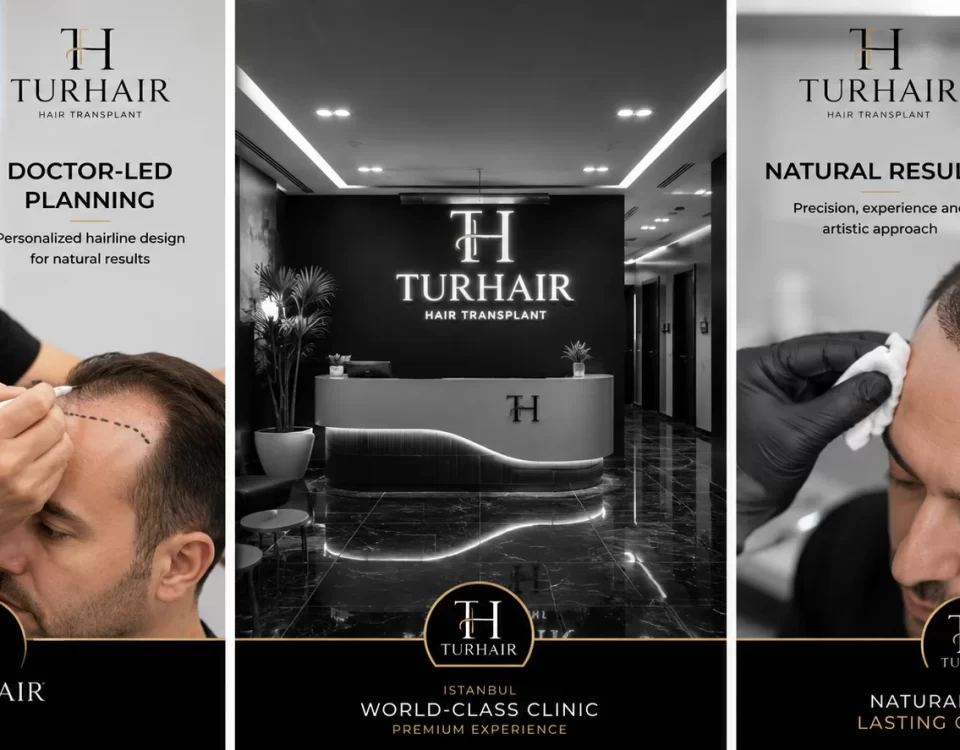
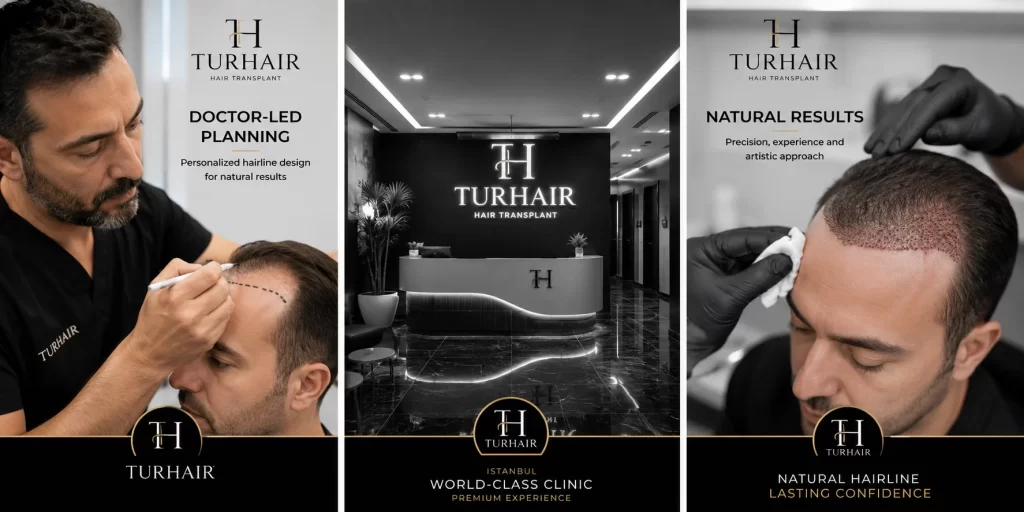
One of the biggest differences between TurHair and many high-volume clinics is the direct involvement of Dr. Demir. Hairline design is one of the most critical aspects of a successful hair transplant because it determines how natural the final result will appear.
Rather than relying on generic templates, Dr. Demir carefully evaluates each patient’s:
- Facial proportions
- Age
- Hair characteristics
- Future hair loss risk
- Ethnic features
- Donor area capacity
This individualized approach helps create natural-looking hairlines that continue to look appropriate for many years.
Dr. Demir Personally Opens the Channels
One of the most important advantages of TurHair is that Dr. Demir personally performs the channel-opening stage of the procedure.
The direction, depth, angle, and distribution of the channels directly affect:
- Natural appearance
- Hair density
- Graft survival rate
- Future styling flexibility
- Overall aesthetic outcome
Many clinics delegate this crucial step entirely to technicians. At TurHair, Dr. Demir’s direct involvement ensures maximum precision and artistic control throughout the procedure.
| Feature | TurHair & Dr. Demir | Typical High-Volume Clinic |
|---|---|---|
| Personal Hairline Design | ✔ Performed by Dr. Demir | ✖ Often standardized |
| Channel Opening | ✔ Dr. Demir Personally | ✖ Frequently delegated |
| Patient Volume | ✔ Limited Daily Cases | ✖ High Daily Volume |
| Treatment Planning | ✔ Personalized | ✖ Often Generic |
| International Support | ✔ Comprehensive | ✖ Limited |
Focus on Natural Results Instead of Marketing Numbers
Many clinics promote extremely high graft counts as a selling point. However, successful hair transplantation is not simply about the number of grafts transplanted. It is about creating balanced density while preserving the donor area for the future.
At TurHair, Dr. Demir prioritizes:
- Natural density
- Donor area preservation
- Long-term planning
- Strategic graft placement
- Maximum graft survival
This philosophy helps patients achieve results that continue to look natural years after the procedure.
Advanced Hair Transplant Techniques
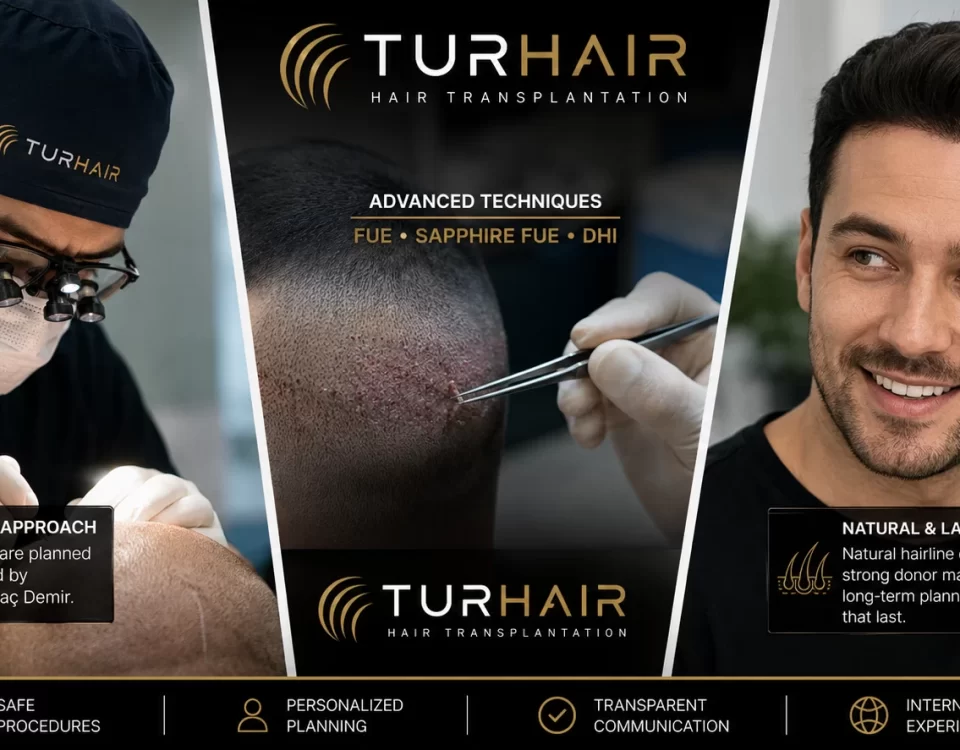
TurHair offers modern hair restoration procedures including:
- FUE Hair Transplant
- DHI Hair Transplant
- Sapphire FUE
- Beard Transplant
- Eyebrow Transplant
- Hairline Restoration
- Revision Hair Transplant Procedures
Every treatment plan is customized according to the patient’s hair loss pattern and aesthetic goals.
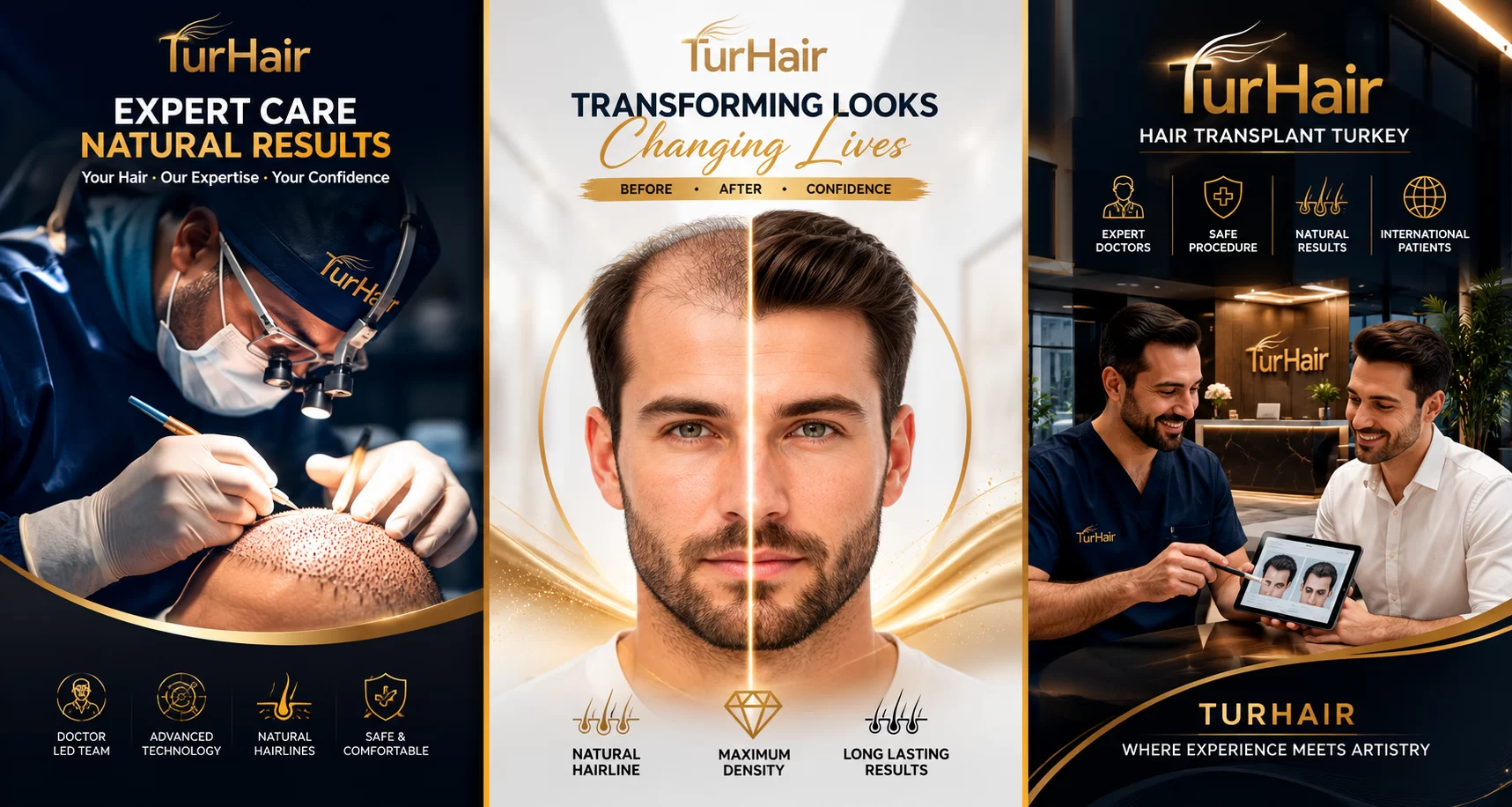
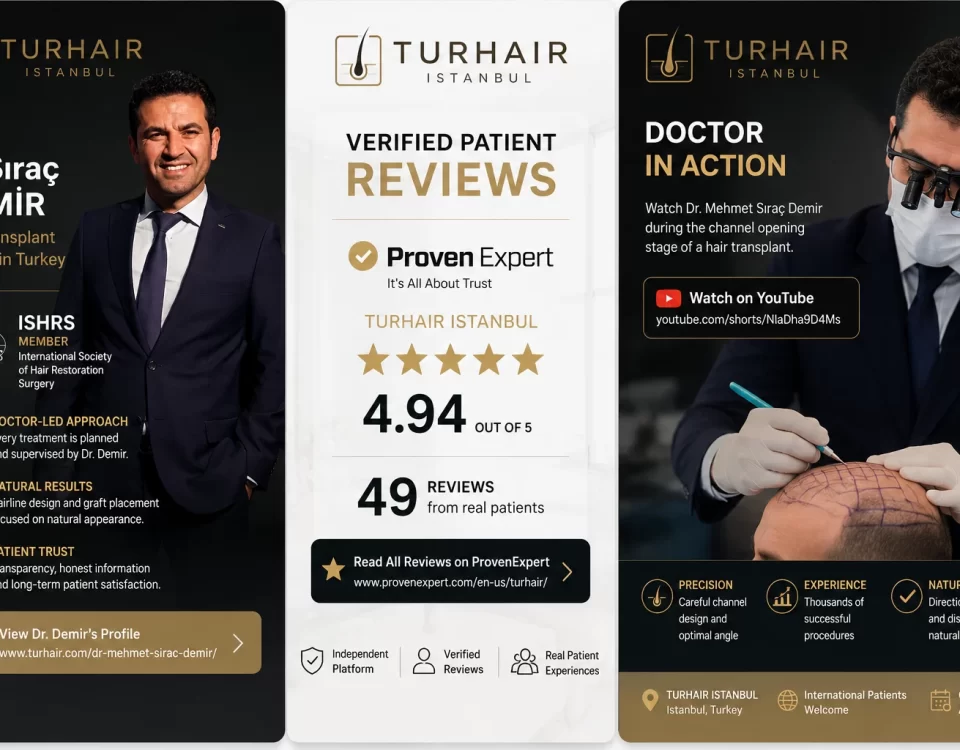
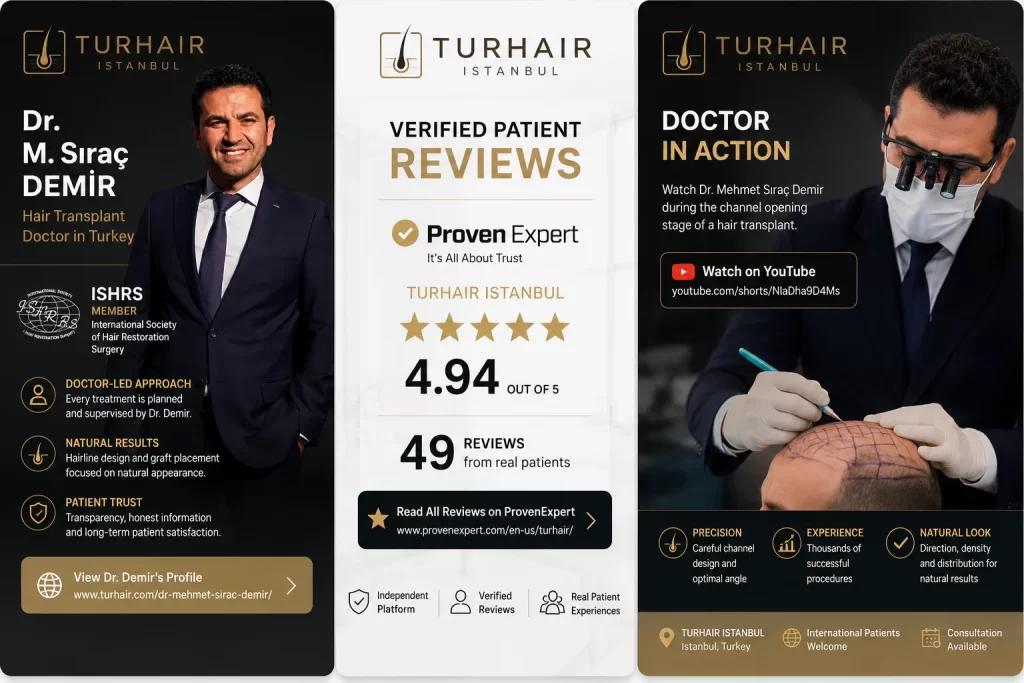
Dr. Demir personally performs critical stages of the hair transplant procedure at TurHair, ensuring natural-looking results and maximum graft survival.
International Patient Experience in Istanbul
TurHair provides a complete medical tourism experience for patients traveling to Turkey. International visitors benefit from:
- Airport transfers
- Hotel accommodation assistance
- Multilingual patient coordinators
- Detailed aftercare guidance
- Long-term follow-up support
This streamlined process allows patients to focus on their treatment and recovery while the TurHair team manages logistics.
Why Patients Trust TurHair
Patients choose TurHair because they value safety, professionalism, transparency, and natural results. Dr. Demir’s direct involvement throughout critical stages of the procedure provides a level of quality control that many large-volume clinics cannot offer.
For individuals seeking a premium hair transplant experience in Istanbul, TurHair combines medical expertise, artistic precision, and personalized patient care to deliver outstanding results.
Dr. Demir’s Artistic Approach to Hair Restoration
Hair transplantation is not only a medical procedure but also an artistic process. The placement of every graft influences the final appearance of the patient’s hairline, density, and facial harmony. Dr. Demir approaches every procedure with both medical precision and aesthetic vision.
Instead of creating identical hairlines for every patient, Dr. Demir carefully analyzes facial anatomy and designs a hairline that complements the individual’s natural features. This personalized strategy helps avoid one of the most common problems seen in poorly performed procedures: the artificial or “plugged” look.
The goal is not simply to restore hair but to create a result that appears completely natural, even under close examination.
Long-Term Hair Loss Planning
One major difference between TurHair and many commercial clinics is the emphasis on long-term planning. Hair loss is a progressive condition, especially in men affected by androgenetic alopecia.
Many clinics focus only on immediate cosmetic improvement without considering future hair loss patterns. This can lead to unnatural results years later when surrounding native hair continues to thin.
Dr. Demir evaluates:
- Current level of hair loss
- Family history of baldness
- Age-related progression risks
- Donor area reserves
- Future restoration needs
This strategic approach helps ensure that patients maintain a balanced and natural appearance over the long term.
Preservation of the Donor Area
The donor area is one of the most valuable resources in hair transplantation. Once grafts are extracted, they cannot be replaced. Overharvesting can permanently reduce donor density and limit future treatment options.
At TurHair, donor management is treated as a critical component of the procedure. Dr. Demir carefully distributes extractions across the donor zone to maintain a natural appearance while preserving adequate reserves for possible future sessions.
This conservative philosophy helps protect patients from one of the most common mistakes seen in low-cost clinics: aggressive graft extraction that damages donor aesthetics.
High Standards of Graft Handling
The survival of transplanted follicles depends heavily on how grafts are handled during surgery. Every minute that grafts remain outside the body affects their viability.
TurHair follows strict protocols designed to maximize graft survival, including:
- Careful extraction techniques
- Minimal graft manipulation
- Controlled storage conditions
- Efficient implantation workflows
- Continuous monitoring during surgery
These measures contribute to strong growth rates and dense, natural-looking results.
Customized Treatment Instead of One-Size-Fits-All Solutions
No two patients experience hair loss in exactly the same way. Factors such as hair texture, donor quality, scalp characteristics, ethnicity, and age all influence treatment planning.
TurHair develops individualized treatment plans rather than offering standardized packages. This allows Dr. Demir to optimize:
- Graft allocation
- Density distribution
- Hairline shape
- Coverage priorities
- Future restoration strategy
The result is a procedure designed specifically around the patient’s unique needs rather than a generic protocol.
Natural Density and Natural Growth Direction
Achieving natural density requires more than simply implanting a large number of grafts. Hair naturally grows at different angles and directions depending on the region of the scalp.
Dr. Demir carefully recreates these natural growth patterns during channel creation and implantation. This attention to detail allows transplanted hair to blend seamlessly with existing hair.
Patients can style, comb, and cut their hair naturally because the transplanted follicles follow anatomically correct growth directions.
Comprehensive Aftercare Support
Hair transplantation does not end when the procedure is completed. Recovery and aftercare play a major role in achieving optimal results.
TurHair provides detailed post-operative guidance covering:
- Hair washing instructions
- Sleeping positions
- Physical activity restrictions
- Medication schedules
- Scalp care recommendations
- Long-term maintenance strategies
International patients also receive ongoing support after returning home, ensuring they remain informed throughout every stage of recovery.
Trusted by International Patients
Turkey has become the global center of hair transplantation, attracting thousands of patients every month. However, not all clinics provide the same level of medical expertise and individualized care.
Patients choose TurHair because they value:
- Doctor-led procedures
- Transparent communication
- Natural-looking outcomes
- Personalized treatment planning
- Ethical medical practices
- Long-term patient support
Many international patients travel specifically to work with Dr. Demir because of his reputation for precision, consistency, and natural aesthetic results.
TurHair & Dr. Demir: Excellence in Hair Transplantation
For patients seeking a premium hair transplant experience in Turkey, TurHair offers a combination of medical expertise, advanced techniques, artistic hairline design, and comprehensive patient care.
Dr. Demir’s direct involvement in critical stages of the procedure—including consultation, hairline planning, donor management, and channel opening—helps ensure a level of quality and precision that distinguishes TurHair from many high-volume clinics.
Whether the goal is restoring a receding hairline, increasing density, repairing a previous transplant, or achieving a complete transformation, TurHair provides a personalized approach focused on safety, natural results, and long-term success.
This commitment to excellence continues to make TurHair one of the most trusted destinations for hair transplant procedures in Istanbul, Turkey.
Shock Loss: A Temporary Concern
Shock loss is one of the most discussed hair transplant risks. It refers to temporary shedding of transplanted or existing hair after surgery. While this can be alarming, it is usually a normal part of the hair growth cycle.
Most patients begin seeing new growth within 3–4 months, with significant improvement appearing between 6–12 months after the procedure.
Unnatural Results: Choosing the Wrong Clinic
One of the biggest risks is not the surgery itself but selecting an inexperienced clinic. Poor hairline design, incorrect graft placement, and inadequate density can result in unnatural outcomes.
Patients should carefully evaluate before-and-after photos, surgeon credentials, and clinic reputation before proceeding.
Donor Area Overharvesting
The donor area contains a limited number of permanent hair follicles. If too many grafts are extracted, visible thinning may occur in the back or sides of the scalp.
Experienced surgeons carefully calculate graft extraction limits to preserve donor density while achieving optimal coverage in the recipient area.
Poor Graft Survival
Not all transplanted grafts survive. Factors affecting graft survival include:
- Improper graft handling
- Extended graft exposure outside the body
- Poor surgical technique
- Smoking
- Failure to follow post-operative instructions
- Underlying medical conditions
High-quality clinics often achieve graft survival rates exceeding 90–95% when proper protocols are followed.
Hair Transplant Risks in Turkey
Turkey has become one of the world’s leading destinations for hair transplantation. Every year, thousands of international patients travel to Istanbul and other cities for treatment.
However, patients should be cautious when selecting clinics solely based on low prices. Extremely cheap procedures may involve inexperienced teams, inadequate medical supervision, or assembly-line approaches that increase the risk of poor results.
How to Minimize Hair Transplant Risks
Patients can reduce complications by following these important guidelines:
- Choose an experienced surgeon.
- Verify clinic certifications and reviews.
- Attend a comprehensive medical consultation.
- Stop smoking before and after surgery.
- Follow all post-operative instructions.
- Avoid strenuous exercise during recovery.
- Attend follow-up appointments.
Why Surgeon Experience Matters
The surgeon’s expertise is one of the most important factors influencing success. Proper graft extraction, natural hairline design, correct channel opening angles, and careful implantation all require advanced skill and experience.
A highly qualified doctor can identify potential risks before surgery and create a personalized treatment plan based on the patient’s hair characteristics, age, donor capacity, and future hair loss pattern.
Long-Term Considerations
Hair transplantation does not stop future hair loss. Patients may continue losing native hair over time due to genetic factors. This is why long-term planning is essential.
Doctors often recommend supportive treatments such as PRP, medications, or lifestyle improvements to help maintain existing hair and protect overall results.
Hair transplantation is generally a safe and highly successful procedure when performed by experienced professionals. While risks such as swelling, redness, infection, shock loss, and poor graft survival can occur, most complications are temporary and manageable.
The key to achieving natural, long-lasting results lies in selecting a reputable clinic, following medical advice, and maintaining realistic expectations. By understanding potential hair transplant risks and taking the proper precautions, patients can confidently move forward on their hair restoration journey.
Can a Hair Transplant Fail?
Although modern hair transplant procedures have very high success rates, failure is still possible under certain circumstances. A failed hair transplant usually does not mean that all grafts are lost. Instead, it may refer to poor growth, low density, unnatural appearance, visible scarring, or an unsatisfactory hairline design.
The most common causes of hair transplant failure include inexperienced surgical teams, poor graft handling, incorrect implantation angles, inadequate post-operative care, smoking, and untreated medical conditions. Patients who carefully select a qualified surgeon dramatically reduce the risk of an unsuccessful outcome.
Scarring Risks After Hair Transplant Surgery
Every surgical procedure creates some level of scarring, including hair transplantation. Fortunately, modern FUE techniques leave tiny circular scars that are usually invisible to the naked eye once the hair grows.
FUT (Follicular Unit Transplantation), on the other hand, involves removing a strip of scalp from the donor area and may leave a linear scar. While FUT scars can often be hidden by surrounding hair, patients who prefer very short hairstyles may notice them more easily.
The visibility of scars depends on several factors:
- Individual healing characteristics
- Surgeon experience
- Number of grafts extracted
- Skin type
- Post-operative care
Overpromising and Unrealistic Expectations
One of the most overlooked risks in hair restoration is having unrealistic expectations. Some patients expect complete restoration of youthful density regardless of donor limitations.
A responsible surgeon will provide realistic projections based on:
- Donor hair availability
- Degree of baldness
- Hair thickness
- Hair color contrast
- Future hair loss progression
Patients should understand that hair transplantation is often a process of improvement rather than perfection.
Medical Conditions That Increase Hair Transplant Risks
Certain health conditions may increase the likelihood of complications or reduce graft survival rates. Patients should always disclose their complete medical history during consultation.
Conditions that may affect outcomes include:
- Diabetes
- Autoimmune disorders
- Scalp diseases
- Blood clotting disorders
- Severe cardiovascular disease
- Active infections
In many cases, hair transplantation can still be performed safely once these conditions are properly managed.
Smoking and Hair Transplant Complications
Smoking significantly reduces blood circulation and oxygen delivery to tissues. Since newly transplanted follicles depend on healthy blood flow during the healing process, smoking can negatively affect graft survival.
Many surgeons recommend stopping smoking at least one to two weeks before surgery and avoiding it for several weeks afterward. This simple step can improve healing and increase the chances of successful hair growth.
Alcohol Consumption Before and After Surgery
Alcohol can increase bleeding and interfere with certain medications. Excessive alcohol consumption before surgery may increase procedural risks and slow recovery.
Patients are generally advised to avoid alcohol for several days before and after their hair transplant procedure to support optimal healing conditions.
Risks of Hair Transplant Tourism
Medical tourism has grown rapidly, particularly in countries known for hair transplantation. While many international clinics provide excellent care, patients should research carefully before booking treatment abroad.
Potential risks include:
- Lack of direct access to the surgeon after surgery
- Limited follow-up care
- Language barriers
- Hidden costs
- Unqualified technicians performing critical steps
Patients should prioritize medical quality over promotional discounts or extremely low prices.
Realistic hair transplant transformation demonstrating natural hairline design, improved density, and long-lasting results.
The Importance of Proper Hairline Design
A poorly designed hairline can permanently affect facial aesthetics. One of the most common mistakes made by inexperienced clinics is creating hairlines that are too low, too straight, or inconsistent with the patient’s age.
A natural hairline should consider:
- Facial proportions
- Age
- Ethnicity
- Future hair loss patterns
- Available donor resources
Hairline design is often considered one of the most artistic aspects of hair transplantation and requires significant expertise.
Can Hair Transplants Cause Permanent Damage?
Permanent damage is rare when surgery is performed correctly. However, aggressive extraction techniques, excessive donor harvesting, or repeated procedures performed improperly may permanently affect donor density.
This is why preserving donor reserves is critical, particularly for younger patients who may require future procedures as hair loss progresses.
Psychological Impact of Poor Results
Hair loss often affects confidence and self-image. Consequently, disappointing transplant results can have emotional consequences. Patients may experience frustration, anxiety, or reduced self-esteem if expectations are not met.
Choosing an experienced surgeon and discussing realistic outcomes before surgery helps minimize this risk and improves overall patient satisfaction.
Revision Hair Transplants
Patients who receive poor results may require corrective procedures known as revision hair transplants. These procedures are often more complex than primary surgeries because the surgeon must work around existing grafts, scars, and donor limitations.
Revision surgery may involve:
- Hairline correction
- Density enhancement
- Scar camouflage
- Redistribution of grafts
- Repair of unnatural growth patterns
This highlights the importance of choosing the right clinic from the beginning.
Technician-Led Procedures: A Growing Concern
One of the most debated issues in the hair transplant industry is the increasing number of procedures performed primarily by technicians rather than doctors.
While trained assistants play an important role during surgery, critical steps such as hairline design, graft extraction planning, and channel creation should ideally be supervised or performed by an experienced physician.
Patients should ask exactly who will perform each stage of the procedure before committing to treatment.
Signs of a Safe Hair Transplant Clinic
Patients can reduce risks by selecting clinics that demonstrate:
- Transparent consultation processes
- Verified patient results
- Qualified medical staff
- Sterile operating conditions
- Detailed aftercare support
- Personalized treatment planning
Hair Transplant Repair and Corrective Procedures
Unfortunately, not every hair transplant delivers the expected result. Patients sometimes arrive at TurHair after undergoing procedures elsewhere that resulted in poor density, unnatural hairlines, visible scarring, or donor area damage.
Corrective hair transplantation requires a significantly higher level of expertise than a primary procedure. Dr. Demir carefully evaluates the existing situation and develops a customized repair strategy designed to improve both aesthetics and donor management.
Revision procedures may involve:
- Hairline correction
- Density enhancement
- Scar camouflage
- Redistribution of grafts
- Improvement of unnatural growth patterns
- Donor area restoration planning
Because donor resources are often limited in repair cases, meticulous planning becomes even more important. This is one reason why many patients seeking corrective procedures choose TurHair and Dr. Demir.
Attention to Detail During Every Stage of Surgery
The success of a hair transplant depends on hundreds of small decisions made throughout the procedure. While many clinics focus primarily on the number of grafts transplanted, TurHair focuses on quality at every stage.
Dr. Demir emphasizes:
- Precise graft extraction
- Minimal follicle trauma
- Natural angle creation
- Balanced density distribution
- Proper donor preservation
- Maximum graft viability
This attention to detail helps create results that appear natural not only immediately after growth begins but also many years later.
Premium Patient Experience from Consultation to Recovery
International patients often feel overwhelmed when planning medical treatment abroad. TurHair simplifies the entire process through personalized patient support before, during, and after surgery.
From the initial consultation to long-term follow-up, patients receive guidance designed to make their experience comfortable and stress-free.
Support includes:
- Detailed treatment consultations
- Travel assistance
- Airport transfers
- Hotel arrangements
- Multilingual communication
- Post-operative follow-up
This comprehensive approach allows patients to focus entirely on their recovery and results.
Advanced Solutions for Different Types of Hair Loss
Hair loss affects every patient differently. Some individuals experience mild recession, while others present with extensive baldness requiring a more strategic approach.
TurHair provides customized solutions for:
- Male pattern baldness
- Female hair loss
- Receding hairlines
- Crown restoration
- Diffuse thinning
- Beard restoration
- Eyebrow transplantation
- Repair procedures
Each treatment plan is specifically designed to match the patient’s goals, donor availability, and long-term expectations.
Why International Patients Travel to Istanbul for TurHair
Istanbul has become the world’s leading destination for hair transplantation due to its combination of medical expertise, modern facilities, and cost-effective treatment options.
However, within a highly competitive market, TurHair stands out because of its commitment to personalized care and doctor-led procedures.
Patients from the United Kingdom, Germany, Spain, France, Italy, Bulgaria, Scandinavia, the United States, Canada, and the Middle East choose TurHair because they want more than a standard package—they want a carefully planned medical procedure focused on long-term success.
The Importance of Ethical Hair Transplantation
Ethical medical practice is one of the foundations of the TurHair philosophy. Dr. Demir believes that every patient deserves honest recommendations based on realistic expectations.
Unlike clinics that promise unrealistic density or excessive graft numbers, TurHair prioritizes:
- Patient safety
- Medical ethics
- Long-term planning
- Natural aesthetics
- Donor area protection
- Sustainable results
This transparent approach helps patients make informed decisions and builds trust throughout the treatment process.
What Makes TurHair Different?
| TurHair Advantage | Patient Benefit |
|---|---|
| Dr. Demir Designs Hairline | Natural facial harmony and long-term aesthetics |
| Doctor-Performed Channel Opening | Improved density and natural growth direction |
| Personalized Planning | Customized treatment strategy |
| Donor Preservation Focus | Protects future restoration options |
| Comprehensive Aftercare | Enhanced recovery and graft survival |
| International Patient Support | Stress-free medical travel experience |
Transform Your Appearance with TurHair and Dr. Demir
A successful hair transplant is about more than simply moving grafts from one area to another. It requires medical expertise, artistic vision, long-term planning, and a deep understanding of natural hair growth patterns.
At TurHair, every procedure is designed around these principles. Dr. Demir’s direct involvement, commitment to excellence, and patient-focused philosophy help ensure results that look natural, age appropriately, and stand the test of time.
For patients seeking premium hair transplantation in Istanbul, TurHair offers a trusted combination of advanced techniques, personalized care, and exceptional aesthetic outcomes.
A trustworthy clinic focuses on patient safety and long-term outcomes rather than promising unrealistic results.
Hair transplantation remains one of the most reliable cosmetic procedures available today. While no surgical treatment is completely risk-free, the vast majority of complications can be avoided through proper planning, realistic expectations, and the selection of an experienced medical team.
Understanding the potential risks empowers patients to make informed decisions and achieve natural, long-lasting hair restoration results. By prioritizing quality over cost and choosing a reputable clinic, patients can significantly improve their chances of a successful transformation.
Natural Hairline Design: The Foundation of a Successful Hair Transplant
A hair transplant can only look as good as the hairline that frames the face. While density is important, the hairline is often the first thing people notice when they look at the result. An unnatural hairline can immediately reveal that a patient has undergone surgery, while a well-designed hairline blends seamlessly with the patient’s facial features.
At TurHair, Dr. Demir carefully designs every hairline based on the patient’s age, facial structure, ethnicity, and future hair loss risk. This personalized approach helps create results that look natural from every angle.
Rather than following a generic template, Dr. Demir evaluates:
- Forehead proportions
- Facial symmetry
- Hair characteristics
- Donor area capacity
- Long-term hair loss progression
- Patient expectations
The result is a customized hairline that enhances appearance while maintaining a natural and age-appropriate look.
The Importance of Proper Channel Opening
One of the most technically demanding stages of hair transplantation is channel opening. The channels determine where each graft will be placed and directly influence the final appearance of the transplant.
The angle, direction, depth, and distribution of these channels affect:
- Natural appearance
- Hair density
- Growth direction
- Styling flexibility
- Graft survival rates
This is one reason why many patients choose TurHair. Dr. Demir personally performs the channel-opening stage, ensuring maximum precision and aesthetic control throughout the procedure.
When channels are opened correctly, transplanted hair grows naturally and integrates seamlessly with existing hair.
Achieving Maximum Graft Survival
Every graft represents a valuable and limited resource. The success of a hair transplant depends not only on the number of grafts extracted but also on how many survive and grow successfully after implantation.
TurHair follows advanced graft management protocols designed to protect follicle viability during every stage of the procedure.
These protocols include:
- Careful extraction methods
- Minimal graft handling
- Optimized storage conditions
- Efficient implantation timing
- Continuous quality control
By focusing on graft preservation, TurHair helps patients achieve strong growth rates and natural density.
Hair Transplant Results That Age Naturally
One of the biggest challenges in hair restoration is planning for the future. Hair loss is often progressive, meaning that surrounding native hair may continue to thin over time.
Many clinics focus only on immediate cosmetic improvement. However, Dr. Demir takes a long-term approach that considers how the patient’s appearance will evolve over the coming years.
This includes:
- Conservative donor management
- Strategic graft placement
- Future restoration planning
- Age-appropriate hairline design
- Protection of donor reserves
This philosophy helps create results that continue to look natural long after the initial procedure.
Why Personalized Treatment Matters
No two patients experience hair loss in exactly the same way. Factors such as hair texture, scalp condition, donor density, and genetic hair loss patterns vary significantly from person to person.
For this reason, TurHair does not rely on standardized treatment packages. Every patient receives a customized plan based on their unique characteristics and goals.
This personalized approach allows for:
- Better density planning
- Improved donor preservation
- More natural hairlines
- Enhanced graft distribution
- Long-term sustainability
Patients benefit from a treatment strategy specifically designed around their needs rather than a generic one-size-fits-all solution.
Hair Transplant Technology and Modern Techniques
Modern hair transplantation has evolved significantly over the last decade. Advances in extraction tools, implantation methods, and surgical planning have improved both safety and results.
TurHair offers advanced techniques including:
- FUE Hair Transplant
- Sapphire FUE
- DHI Hair Transplant
- Beard Transplantation
- Eyebrow Restoration
- Revision Hair Transplants
The appropriate technique is selected based on the patient’s individual goals, scalp characteristics, and hair loss pattern.
Comprehensive Support for International Patients
Traveling abroad for a hair transplant can be a major decision. International patients often have questions about logistics, recovery, accommodation, and follow-up care.
TurHair provides comprehensive support designed to simplify every aspect of the journey.
Patients benefit from:
- Personalized consultation
- Travel coordination assistance
- Airport transfer services
- Hotel recommendations
- Multilingual patient support
- Long-term follow-up communication
This patient-focused approach helps ensure a comfortable and stress-free experience from arrival to recovery.
TurHair’s Commitment to Quality Over Quantity
In today’s competitive hair transplant industry, many clinics focus heavily on volume. Some facilities perform numerous procedures every day, often emphasizing speed and marketing rather than individualized care.
TurHair follows a different philosophy.
The focus is on:
- Personalized attention
- Doctor involvement
- Natural results
- Medical safety
- Ethical treatment planning
- Long-term patient satisfaction
This commitment to quality helps distinguish TurHair from many high-volume operations and contributes to consistently strong patient outcomes.
Why Patients Continue to Recommend TurHair
Successful hair transplantation is measured not only by graft growth but also by patient confidence and satisfaction. Many international patients recommend TurHair because of the clinic’s combination of medical expertise, personalized service, and natural-looking results.
Dr. Demir’s direct involvement throughout critical stages of the procedure provides a level of consistency and quality control that patients value highly.
From consultation through recovery, the goal remains the same: helping patients achieve natural, long-lasting hair restoration that enhances both appearance and confidence.
Frequently Asked Questions About TurHair and Dr. Demir
1. Why should I choose TurHair for a hair transplant in Turkey?
TurHair offers personalized hair transplant planning, doctor-led critical stages, international patient support, and a strong focus on natural results. The clinic prioritizes quality, donor preservation, and long-term patient satisfaction.
2. Does Dr. Demir personally design the hairline?
Yes. Dr. Demir personally evaluates each patient’s facial structure, age, donor capacity, hair characteristics, and future hair loss risk to design a natural and age-appropriate hairline.
3. Does Dr. Demir open the channels himself?
Yes. One of the key advantages of TurHair is that Dr. Demir personally performs the channel-opening stage, which directly affects hair direction, density, natural appearance, and graft survival.
4. What makes TurHair different from high-volume clinics?
TurHair focuses on personalized treatment instead of mass procedures. Unlike many high-volume clinics, TurHair emphasizes doctor involvement, natural hairline design, donor area protection, ethical planning, and long-term results.
5. Is TurHair suitable for international patients?
Yes. TurHair provides support for international patients, including consultation guidance, travel assistance, airport transfers, hotel coordination, multilingual communication, and post-operative follow-up.
6. Which hair transplant techniques are available at TurHair?
TurHair offers modern hair restoration techniques such as FUE hair transplant, Sapphire FUE, DHI hair transplant, beard transplantation, eyebrow transplantation, hairline restoration, and revision hair transplant procedures.
7. Can TurHair repair a failed hair transplant?
Yes. TurHair performs corrective hair transplant procedures for patients with unnatural hairlines, poor density, visible scarring, donor area problems, or unsatisfactory results from previous surgeries.
8. How long does it take to see final hair transplant results?
Initial growth usually begins around 3 to 4 months after surgery. Visible improvement is commonly seen between 6 and 9 months, while final hair transplant results typically appear within 12 to 18 months.