Best Hair Transplant Clinic Istanbul✨
May 30, 2026
Female Hair Transplant Turkey✨
June 5, 2026Stem Cell Hair Transplant (Hair Cloning) – The Future of Hair Restoration
Stem cell hair transplantation, also known as hair cloning, is one of the most discussed innovations in the field of hair restoration. In recent years, this technology has attracted enormous interest among people suffering from hair loss, androgenetic alopecia, and hair thinning. Many patients wonder whether hair cloning has already become a reality and whether it can replace traditional methods such as FUE and DHI hair transplantation.
In this article, we will examine what stem cell hair transplantation is, how the technology works, its advantages, and the future prospects of this revolutionary approach.
What Is Hair Cloning?
Hair cloning is a concept in which new hair follicles are created from a limited number of healthy hair follicles through the use of stem cells. Unlike traditional hair transplantation, where hair follicles are moved from the donor area to balding regions, the goal here is to create entirely new follicular units.
Theoretically, this would mean that patients would no longer be limited by the number of available grafts in the donor area. For this reason, the technology is considered a potential revolution in the treatment of hair loss.
How Do Stem Cells Work?
Stem cells are special cells that have the ability to develop into different types of cells within the human body. In hair loss treatment, scientists are exploring the possibility that these cells can stimulate the formation of new hair follicles or regenerate existing ones.
The procedure generally includes:
- Extracting cells from the scalp or another part of the body;
- Laboratory processing and multiplication of the cells;
- Injecting the processed cells into areas affected by hair loss;
- Stimulating the growth of new hair.
It is important to note that this technology is still evolving and has not yet been fully implemented as a standard medical practice worldwide.
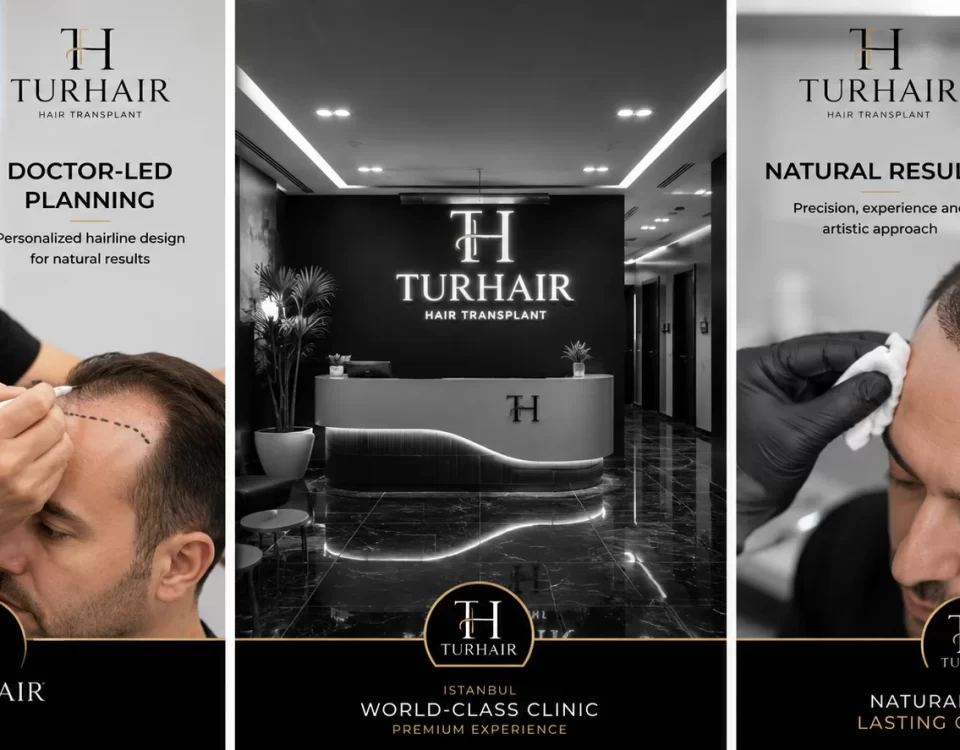
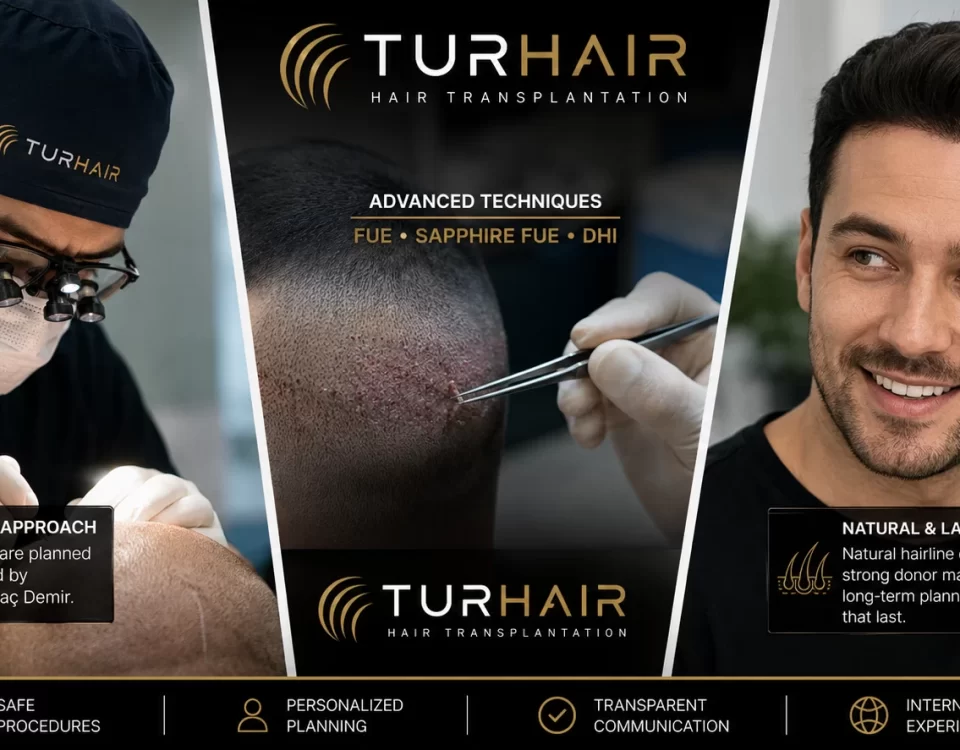
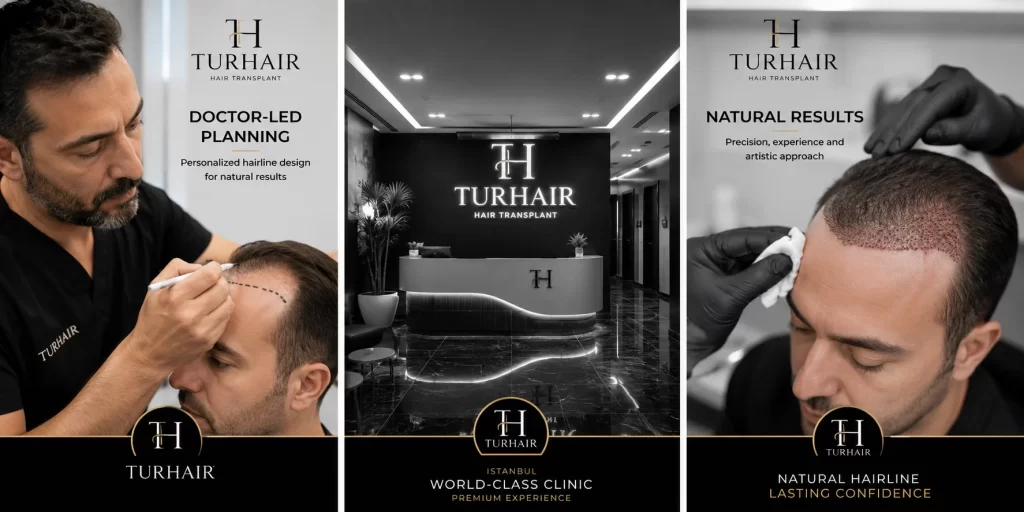
The TURHAIR Difference
A premium approach to hair transplantation with medical precision, personalized planning, and natural-looking results.
Why Do Patients Choose TurHair?
TurHair stands out through its personalized approach, careful donor area analysis, and focus on creating a natural hairline. In every procedure, the goal is not simply to place grafts but to create a harmonious, dense, and realistic result that complements the patient’s facial structure, age, and expectations.
| Criteria | Standard Approach | TURHAIR Approach |
|---|---|---|
| Planning | General planning | Customized design based on facial features and donor area |
| Hairline | Template-based design | Natural and personalized frontal hairline |
| Grafts | Maximum number without strategy | Strategic use for long-term density |
| Communication | Limited information | Clear communication before, during, and after the procedure |
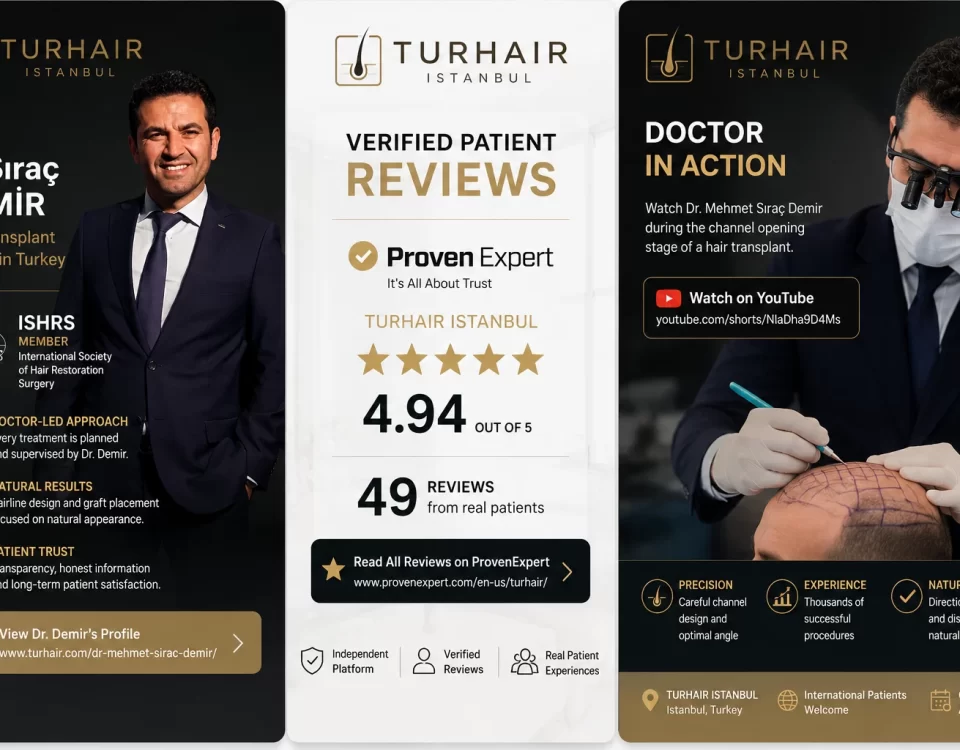
The Dr. Demir Difference
One of the most important distinctions at TurHair is the level of medical supervision and the role of Dr. Demir during the key stages of the procedure. In hair transplantation, proper planning, channel direction, implantation angle, and the natural aesthetics of the hairline are among the most critical factors.
Dr. Demir focuses on the details that determine the final outcome: natural density, correct graft distribution, and preservation of the donor area. This allows for a more balanced and premium result compared to mass-production clinic models.
| Stage | Importance | Dr. Demir’s Approach |
|---|---|---|
| Consultation | Defines realistic expectations | Individual assessment and medical analysis |
| Design | Shapes the natural appearance | Hairline designed according to facial structure, age, and future hair loss patterns |
Channel CreationDetermines direction and natural appearancePrecise angle and direction for a natural resultDonor AreaEssential for future proceduresProtection against overharvesting
This premium approach is designed for patients seeking not just a hair transplant but a complete medical and aesthetic experience. From the first consultation to the final result, TurHair emphasizes quality, trust, and natural-looking outcomes.
Medical Supervision
Key decisions are made with a focus on safety, aesthetics, and long-term results.
Natural Hairline
The hairline is customized according to facial structure, age, and individual characteristics.
Premium Care
Patients receive clear instructions, follow-up support, and guidance throughout every stage of the journey.
TURHAIR – Where Details Create Results
Choosing the right medical team, an experienced physician, and a personalized treatment plan is the key to achieving a natural, dense, and long-lasting hair transplant result.
VIP Approach at TURHAIR
At TurHair, every hair transplant procedure is treated as an individual medical and aesthetic project. The objective is not only to fill bald areas but also to create a natural appearance that remains harmonious both today and for years to come.
| Premium Element | What Does It Mean for the Patient? | Result |
|---|---|---|
| Individual Analysis | Evaluation of the donor area, hair density, and degree of hair loss. | More precise and realistic planning. |
| Aesthetic Design | The hairline is customized according to facial structure and age. | Natural-looking appearance. |
| Medical Precision | Critical stages are carefully planned with a strong focus on safety. | Better recovery and greater control. |
| Long-Term Strategy | Grafts are used strategically without unnecessary stress on the donor area. | More sustainable and long-lasting results. |
Why Is Dr. Demir’s Role Important?
In hair transplantation, small details make a significant difference. Channel direction, implantation angle, graft distribution, and the natural hairline all directly influence the final outcome.
Dr. Demir focuses on medical logic and aesthetic harmony. This means that every patient receives a treatment plan designed not only for their current hair loss but also for the potential progression of hair loss in the future.
Natural Direction
Hair must grow in the correct direction to look natural with any hairstyle.
Proper Angle
The implantation angle is crucial for achieving natural appearance and optimal density.
Density Balance
Grafts are strategically distributed to create the visual impression of greater density.
TurHair vs. Conventional High-Volume Clinics
| Conventional Clinic Model | TURHAIR Premium Model |
|---|---|
| Same approach for every patient | Personalized treatment plan for every patient |
| Focus solely on the number of grafts | Focus on natural results and long-term density |
| Template-based hairline design | Hairline customized according to facial features and age |
| Limited follow-up support | Comprehensive aftercare support and guidance |
Premium Results Begin with Proper Planning
At TurHair, attention to detail, the involvement of Dr. Demir, and a personalized approach create the foundation for a natural, dense, and harmonious hair transplant result.
Stem Cell Hair Transplant vs. FUE Hair Transplant
Currently, the most popular method of hair restoration remains FUE hair transplantation. In this technique, individual grafts are extracted from the donor area and implanted into regions affected by hair loss.
| FUE Hair Transplant | Hair Cloning |
|---|---|
| Uses existing grafts | Creates new follicles |
| Proven results | Still under development |
| Widely available | Limited availability |
| Immediate procedure | Requires laboratory processing |
| High success rate | Still being researched |
At present, FUE remains the gold standard in the industry, while stem cell therapies are viewed as a promising technology for the future.
Advantages of Stem Cell Hair Transplantation
The primary reason for the enormous interest in hair cloning is its potential advantages:
- Potentially unlimited number of hair follicles;
- Reduced dependence on the donor area;
- Possibility of treating patients with severe baldness;
- More natural hair density;
- Regenerative effects on the scalp;
- Potentially faster recovery.
If the technology reaches full clinical implementation, it could completely transform the way hair loss is treated.
Are Stem Cells Suitable for Everyone?
Like any medical procedure, not every patient is an ideal candidate. Suitable candidates may include individuals with:
- Androgenetic alopecia;
- Hair thinning;
- Early stages of hair loss;
- Insufficient donor area for conventional transplantation;
- Scars resulting from surgery or trauma.
The final evaluation should always be performed by a qualified hair restoration specialist.
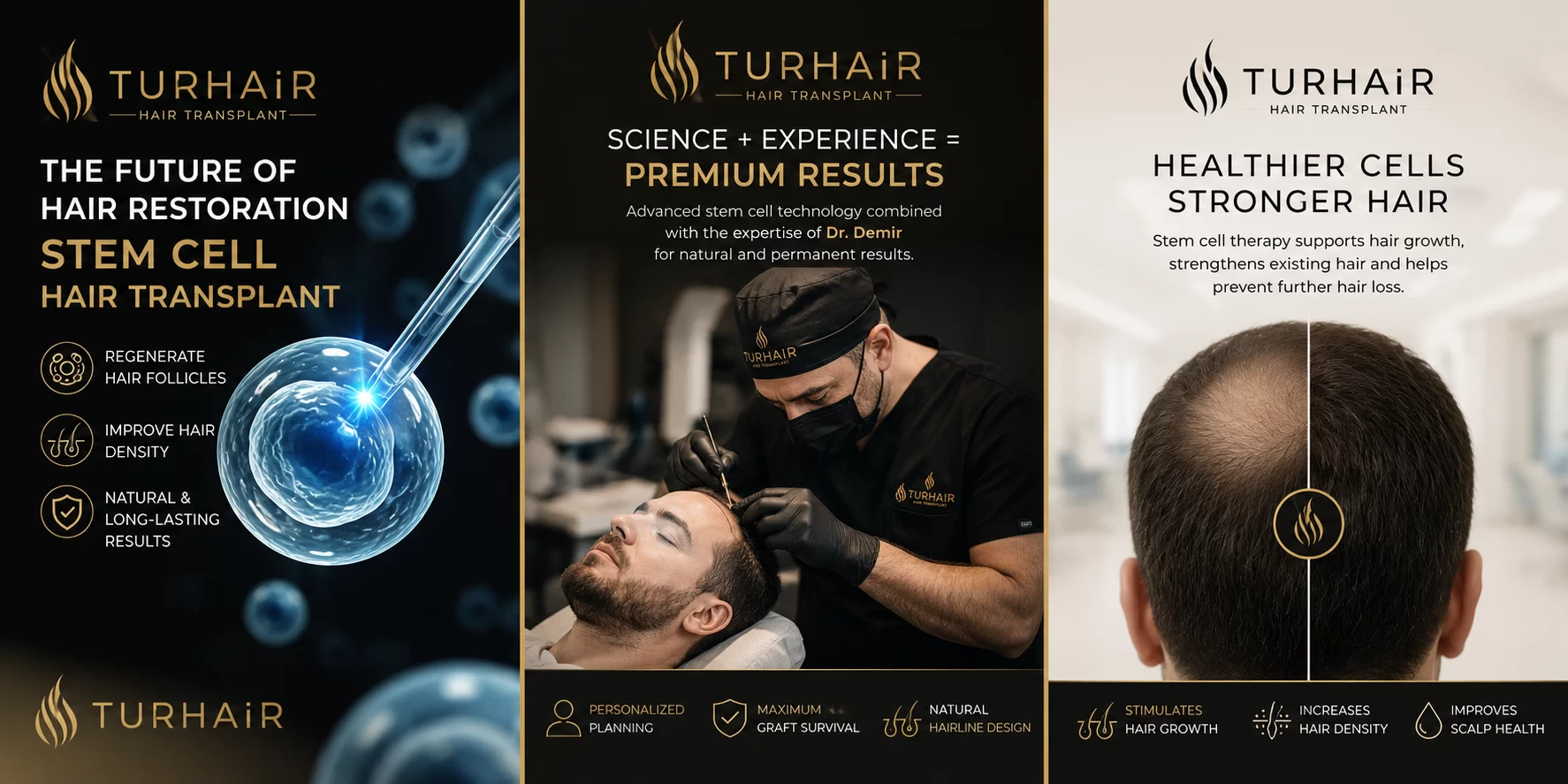
Discover the future of hair restoration with stem cell hair transplant and hair cloning technologies at TurHair.
What Results Can Be Expected?
Results depend on the technology used, scalp condition, and the patient’s individual characteristics. Regenerative stem cell therapies often aim to achieve:
- Strengthening of existing hair;
- Improved density;
- Reduction in hair shedding;
- Stimulation of new hair growth.
It is important for patients to maintain realistic expectations and understand that true hair cloning is not yet a widely available procedure with fully established long-term results.
Is the Procedure Safe?
Using the patient’s own cells significantly reduces the risk of allergic reactions and rejection. However, overall safety depends on the technology used, the quality of laboratory processing, and the expertise of the medical team.
As with any procedure, temporary side effects may occur, including redness, sensitivity, or mild swelling in the treated area.
The Future of Hair Cloning
Scientific research in stem cell technology is advancing rapidly. Numerous universities, medical centers, and biotechnology companies are working on technologies that could allow the large-scale production of hair follicles.
If these developments are successfully implemented in clinical practice, future patients may have access to virtually unlimited possibilities for hair restoration.
According to experts, the combination of regenerative medicine, stem cells, and modern hair transplantation techniques is expected to form the next generation of hair loss treatments.
Scientific Research on Stem Cells and Hair Loss
Over the past two decades, the scientific community has invested significant resources into developing hair restoration methods based on stem cells. The primary objective is to create new hair follicles in laboratory conditions and subsequently implant them into the patient’s scalp.
Researchers have discovered that specialized cells located at the base of each hair follicle play a crucial role in hair growth and the hair life cycle. When these cells are successfully activated or multiplied, they may stimulate the formation of new hair.
Many laboratories around the world are currently working on technologies that allow the multiplication of dermal papilla cells, which are responsible for the formation of hair follicles. These cells are widely considered the foundation of future hair cloning technologies.
What Makes Hair Cloning Different from Other Hair Loss Treatments?
Several treatment options exist today, including medications, PRP therapy, mesotherapy, and hair transplantation. Hair cloning, however, introduces a completely different concept.
Traditional hair transplantation is limited by the number of available grafts in the donor area. Stem cell technology potentially enables the creation of entirely new follicles, significantly expanding treatment possibilities.
This is especially important for patients with advanced baldness, whose donor areas may not contain enough grafts for a conventional transplant procedure.
Is It Possible to Create an Unlimited Amount of Hair?
One of the reasons hair cloning generates so much excitement is the idea of a virtually unlimited source of hair follicles.
Theoretically, a small sample of cells could be used to generate thousands of new follicles. If the technology reaches the required level of effectiveness and safety, it could eliminate the limitations associated with donor hair availability.
However, scientists emphasize that creating a new hair follicle is an extremely complex biological process. It is not enough to simply multiply cells—they must be properly organized and function as a fully natural hair follicle.
Combining Stem Cells and PRP Therapy
Many clinics are already combining regenerative therapies involving stem cells and PRP (Platelet-Rich Plasma). PRP is a plasma solution rich in platelets that is derived from the patient’s own blood.
Platelets contain growth factors that may stimulate tissue repair and support hair growth. When combined with stem cells, they may create a favorable environment for scalp regeneration.
Although these therapies do not represent true hair cloning, they are considered an important step toward the development of future regenerative hair restoration methods.
Hair Cloning for Men
Male pattern baldness is the most common cause of hair loss worldwide. According to statistics, millions of men suffer from androgenetic alopecia.
This group of patients may become one of the primary beneficiaries of future hair cloning technologies. In advanced cases, donor hair reserves are often insufficient for conventional transplantation, making stem cell technology particularly attractive.
If perfected, it may allow the restoration of large bald areas that are currently difficult to treat using existing techniques.
Hair Cloning for Women
Hair loss is not exclusively a male problem. Many women also suffer from diffuse thinning, hormonal hair loss, or genetic alopecia.
Unlike men, women often experience a reduction in hair density across the entire scalp, making standard hair transplantation more challenging. This is why future stem cell therapies may offer a more suitable solution for female hair loss.
Regenerative approaches have the potential to improve overall hair density and quality without the need for aggressive surgical procedures.
Current Limitations of Hair Cloning Technology
Despite its promising potential, hair cloning technology still faces several major challenges.
- High research and development costs;
- Complex regulatory requirements;
- The need for additional clinical studies;
- Lack of long-term data;
- A limited number of specialized research centers.
For these reasons, most specialists currently recommend viewing stem cell therapies as complementary treatments rather than direct replacements for conventional hair transplantation.
What Can We Expect in the Coming Years?
Advances in biotechnology and regenerative medicine are expected to accelerate the introduction of new hair loss solutions. More companies are investing in the development of laboratory-produced hair follicles.
Experts believe that the next generation of procedures may combine:
- Stem cells;
- Tissue engineering;
- Genetic technologies;
- Artificial intelligence for hair analysis;
- Personalized treatment protocols.
These developments could significantly improve treatment success rates and provide better outcomes for patients suffering from various forms of hair loss.
Why Is Interest in Hair Cloning Continuing to Grow?
The answer is simple: millions of people around the world are searching for a permanent solution to hair loss.
Traditional hair transplantation provides excellent results, but it is still limited by the number of available grafts in the donor area.
Hair cloning offers a vision of a future in which these limitations no longer exist. The ability to create entirely new hair follicles could completely transform the hair restoration industry.
Although the technology has not yet reached widespread clinical application, it remains one of the most promising areas of modern aesthetic medicine and regenerative therapy.
The Difference Between Stem Cells and Exosomes in Hair Loss Treatment
In recent years, the terms stem cells and exosomes have frequently been mentioned together in the field of hair restoration. However, there are significant differences between the two technologies.
Stem cells are living cells capable of dividing and transforming into different cell types. Exosomes, on the other hand, are microscopic vesicles that transport proteins, growth factors, and genetic information between cells.
Many researchers believe exosomes may play an important role in future hair loss treatments because they stimulate the scalp’s natural regenerative processes and support follicular activity.
Can Hair Cloning Solve Severe Baldness?
One of the biggest challenges for patients with advanced alopecia is the lack of sufficient donor hair.
Even the most successful FUE hair transplant depends on the number of grafts that can safely be extracted from the donor area.
If hair cloning becomes clinically available, this limitation may disappear. Theoretically, a small number of healthy follicles could be used to generate a much larger quantity of new follicles.
This would be particularly valuable for patients with advanced Norwood 6 and Norwood 7 hair loss, where achieving dense coverage with current techniques remains challenging.
What Is Hair Follicle Regeneration?
The hair follicle is a complex biological structure that undergoes cycles of growth, rest, and shedding.
In androgenetic alopecia, follicles gradually shrink, causing hairs to become thinner, shorter, and weaker over time.
Regenerative medicine aims to reverse this process by stimulating the cells responsible for hair growth. This is where stem cells may play a critical role.
Scientists are attempting not only to restore weakened follicles but also to create entirely new follicles capable of producing healthy and long-lasting hair.
Potential Advantages of Future Hair Cloning Technology
- Potentially unlimited graft supply;
- Treatment options for advanced baldness;
- Minimal dependence on donor hair reserves;
- Higher hair density;
- Improvement in existing hair quality;
- Compatibility with FUE and DHI procedures;
- More natural long-term outcomes.
These potential benefits are the reason many specialists refer to hair cloning as “the next major revolution” in hair transplantation.
What Are the Risks and Challenges?
Despite the enthusiasm surrounding this technology, the medical community remains cautious. The primary reason is the need to demonstrate both long-term safety and effectiveness.
With any therapy based on cellular regeneration, there are concerns regarding the control of cell growth and their proper function after implantation.
For this reason, most regulatory authorities require extensive clinical trials before such technologies can be approved for widespread medical use.
The Role of Genetics in Hair Loss
Genetic factors are the primary cause of androgenetic alopecia. Inherited sensitivity to dihydrotestosterone (DHT) leads to the gradual weakening of hair follicles.
Even when modern hair transplantation methods are used, genetics continue to influence the remaining natural hair.
For this reason, future stem cell therapies will likely be combined with genetic and medical treatments to achieve the most durable long-term results.
When Could Hair Cloning Become a Reality?
This is one of the most frequently asked questions by patients worldwide. The truth is that no one can provide an exact timeline.
Scientific progress continues steadily, but the introduction of new medical technologies is a complex process that requires extensive testing, regulation, and validation.
Some experts believe that the first commercially available forms of cellular hair follicle regeneration may emerge within the coming years. Others are more cautious and believe that significant research is still required.
Regardless of the timeline, most specialists agree that the future of hair loss treatment lies in regenerative medicine.
What Are the Available Alternatives Today?
While hair cloning continues to be developed, patients currently have access to several proven treatment options:
- FUE Hair Transplantation;
- DHI Hair Transplantation;
- PRP Therapy;
- Hair Mesotherapy;
- Medical Hair Loss Treatments;
- Low-Level Laser Therapy (LLLT);
- Hair Strengthening Treatments.
These methods can provide excellent results when performed correctly and after an individualized consultation with a specialist.
Final Thoughts on the Future of Hair Transplantation
Hair cloning and stem cell-based therapies represent one of the most exciting areas of modern medicine.
Although the technology has not yet reached mainstream clinical use, scientific research continues to produce promising results.
For millions of individuals experiencing hair loss, the possibility of generating entirely new hair follicles could fundamentally change the future of hair restoration.
Until that time, proven procedures such as FUE and DHI remain the most reliable options for achieving natural and long-lasting results.
The development of stem cells, tissue engineering, and regenerative medicine continues at a rapid pace and will likely play a crucial role in the future of hair loss treatment worldwide.
The History of Hair Cloning Research
The concept of hair cloning is not new. As early as the 1990s, scientists began exploring the possibility of multiplying hair follicle cells in laboratory environments.
These early experiments laid the foundation for today’s regenerative medicine research.
Initial studies demonstrated that specific hair follicle cells could be isolated and cultured outside the human body. This created hope that future technologies might eventually allow the production of entirely new hair follicles for patients experiencing severe hair loss.
Over the following decades, universities, research institutions, and biotechnology companies invested substantial resources into this field.
Today, the technology is significantly more advanced than it was twenty years ago, although it has not yet reached routine clinical application.
Why Are Hair Follicles So Complex?
At first glance, hair may appear to be a simple structure. In reality, however, the hair follicle is an extremely sophisticated biological organ.
It contains numerous cell types, blood vessels, nerve endings, and biological mechanisms that work together in perfect coordination.
To successfully clone a hair follicle, it is not enough to create new cells. These cells must organize correctly, communicate with one another, and form a fully functional structure capable of producing healthy hair for many years.
This complexity is one of the primary reasons why hair cloning technology remains under active development.
What Is the Donor Area?
In conventional hair transplantation, the donor area is the region from which grafts are extracted.
Most commonly, this area is located at the back of the scalp because these hairs are genetically resistant to the hormones responsible for male pattern baldness.
The major limitation is that donor hair is finite. Even patients with excellent donor density have a maximum number of grafts that can be safely harvested.
Hair cloning aims to overcome this limitation by creating new hair follicles from a small number of original cells.
Could Traditional Hair Transplants Become Unnecessary One Day?
Some researchers believe that regenerative therapies may eventually replace traditional hair transplantation procedures.
Instead of relocating grafts, future treatments may stimulate the formation of entirely new follicles directly within areas affected by hair loss.
However, this does not necessarily mean that existing procedures will disappear.
A more likely scenario is that multiple technologies will work together. For example, FUE transplantation may be combined with stem cell therapy to further improve outcomes.
Many specialists believe that the future belongs to integrated treatment approaches.
The Importance of Growth Factors
Growth factors are biologically active molecules that stimulate cellular regeneration.
They play an important role in PRP therapy as well as in many stem cell-related research projects.
When applied to the scalp, growth factors may improve blood circulation, stimulate follicular activity, and support tissue repair processes.
This is one of the reasons why many modern regenerative treatments focus on combining stem cells with growth factors.
Which Patients Show the Greatest Interest in Hair Cloning?
Interest in this technology is particularly high among:
- Men with advanced androgenetic alopecia;
- Women experiencing diffuse hair thinning;
- Patients with limited donor hair reserves;
- Individuals with scars resulting from trauma or surgery;
- Patients who have undergone unsuccessful hair transplants in the past;
- People seeking greater hair density.
For all these groups, hair cloning represents a potentially transformative future solution for hair restoration.
What Do Hair Transplant Specialists Say?
Most leading experts view the development of hair cloning technology with optimism while simultaneously emphasizing the importance of maintaining realistic expectations.
It is important for patients to understand that there is currently no widely available procedure capable of true hair cloning that can completely replace conventional hair transplantation.
Specialists recommend being cautious of marketing claims that promise miraculous results or present experimental technologies as fully established treatments.
Patients should always seek information from reputable medical professionals and trusted clinics before making treatment decisions.
Regenerative Medicine and the Future of Aesthetic Surgery
Hair cloning is only one part of the broader field of regenerative medicine.
Similar technologies are being developed for the regeneration of skin, cartilage, muscle tissue, and other biological structures.
This means that progress in one area can accelerate innovation in many others. Research involving stem cells is already influencing multiple medical specialties, including dermatology, plastic surgery, and tissue engineering.
Many scientists believe that the coming decades will bring revolutionary changes in how medicine treats various conditions, including hair loss.
The Economic Impact of Hair Cloning Technology
The global hair loss treatment market is worth billions of euros annually.
Every year, millions of patients seek solutions to restore their hair and improve their appearance.
For this reason, biotechnology companies have shown enormous interest in hair cloning and regenerative therapies.
Significant investments are being made into the development of innovative products, laboratory technologies, and future treatment protocols.
Successful implementation of hair cloning technology could create an entirely new segment within aesthetic medicine and dramatically reshape the global hair restoration industry.
Summary
Stem cell hair transplantation and future hair cloning technologies remain among the most promising developments in hair loss treatment.
Although the technology is not yet fully available for widespread clinical use, scientific progress continues to be impressive.
While research advances, proven methods such as FUE and DHI hair transplantation remain the most reliable options for patients seeking predictable and natural-looking results today.
In the future, the combination of stem cells, tissue engineering, genetic technologies, and advanced transplantation techniques may open a completely new era in hair restoration and hair loss treatment.
Hair Cloning and Artificial Intelligence – The Future of Personalized Treatment
The development of artificial intelligence (AI) is beginning to play an increasingly important role in medicine, including the treatment of hair loss.
In the future, AI-powered systems may analyze scalp conditions, genetic characteristics, and a patient’s likely response to various therapies.
The combination of artificial intelligence and hair cloning technology could enable fully personalized treatment plans.
Every patient experiences hair loss differently, has unique genetic predispositions, and responds differently to treatment.
Through automated analysis, physicians may be able to determine the most effective restoration strategy and predict outcomes with greater accuracy than ever before.
The Impact of Age on Regenerative Therapies
Age is one of the factors that may influence the effectiveness of future stem cell-based treatments.
Younger patients generally possess stronger regenerative capabilities and more active cellular processes.
However, this does not mean that older individuals cannot benefit from these technologies.
On the contrary, many research projects specifically focus on restoring biological activity within aging hair follicles regardless of patient age.
The goal is to develop treatments that are effective both for younger patients experiencing early-stage hair loss and for individuals with long-standing baldness.
Can Hair Cloning Help Treat Scarring?
Scalp scars represent one of the greatest challenges in hair transplantation.
These scars may result from surgery, trauma, burns, or unsuccessful previous procedures.
Because scar tissue often has reduced blood supply, healthy hair growth may be difficult to achieve.
This is an area where regenerative medicine offers exciting possibilities.
Stem cells and growth factors may help improve tissue quality and potentially create more favorable conditions for hair follicle growth within scarred areas.
What Is Tissue Engineering?
Tissue engineering is a scientific discipline that combines biology, medicine, and engineering technologies to create new biological structures.
This field forms the foundation of many modern hair cloning research projects.
Scientists are working to create microscopic structures that closely resemble natural hair follicles.
These structures may eventually be implanted into the scalp and stimulate the growth of new hair.
Although the technology is still developing, it represents one of the most promising directions for the future of hair restoration.
Hair Cloning and Genetic Medicine
Genetics play a central role in most forms of hair loss.
For this reason, many researchers believe future treatments will combine hair cloning technologies with genetic medicine.
The objective is not only to create new hair follicles but also to ensure that they remain resistant to the factors responsible for hair loss.
Such an approach could lead to significantly longer-lasting results and reduce the likelihood of future hair thinning or baldness.
The Psychological Impact of Hair Loss
Hair loss is not merely a cosmetic concern.
For many individuals, it significantly affects self-confidence, social interactions, and professional life.
Numerous studies have shown that hair loss can contribute to reduced self-esteem, anxiety, and dissatisfaction with one’s appearance.
For this reason, the development of advanced hair restoration technologies carries not only medical importance but also substantial psychological value for millions of people worldwide.
What Are the Main Goals of Future Research?
Scientific teams around the world are currently focusing on several key objectives:
- Creating fully functional hair follicles in laboratory environments;
- Improving cell survival after implantation;
- Increasing the density of newly generated hair;
- Reducing treatment costs;
- Ensuring long-term safety;
- Developing personalized treatment solutions.
Achieving these goals would bring hair cloning technology significantly closer to widespread clinical application.
Will Hair Cloning Be Accessible to Everyone?
Like most new medical innovations, early hair cloning procedures will likely be expensive and available only at a limited number of specialized centers.
As technology advances and adoption increases, costs are expected to gradually decrease.
This pattern has already been observed with many other medical innovations throughout history.
In the long term, regenerative therapies may become accessible to a much broader range of patients around the world.
Common Myths About Hair Cloning
Numerous myths and misconceptions currently surround hair cloning technology.
- Myth: Hair cloning is already a standard procedure.
- Fact: The technology remains under development.
- Myth: Stem cells guarantee 100% hair restoration.
- Fact: Results depend on many biological factors.
- Myth: Hair cloning will completely eliminate the need for transplantation.
- Fact: Future treatments will likely combine multiple technologies.
Patients should rely on trustworthy information sources and consult qualified specialists before making decisions.
Conclusion: A New Era in Hair Restoration
Hair cloning through stem cell technology represents one of the most exciting possibilities in modern aesthetic medicine.
Although it is not yet a widely available clinical procedure, the technology has the potential to fundamentally transform the treatment of hair loss.
By combining advances in regenerative medicine, tissue engineering, genetics, and artificial intelligence, future therapies may offer solutions that currently seem impossible.
Until then, proven procedures such as FUE and DHI hair transplantation remain the most reliable options available.
Nevertheless, ongoing developments in stem cells and hair cloning continue to inspire both medical professionals and millions of patients who dream of achieving permanent and natural hair restoration.
Final Conclusion
Stem Cell Hair Transplantation and Hair Cloning represent one of the most exciting frontiers in modern aesthetic medicine.
Although the technology has not yet become a standard treatment, scientific progress demonstrates remarkable potential.
At present, FUE and DHI hair transplantation remain the most reliable and evidence-based solutions for hair restoration.
In the future, however, stem cell technologies may provide entirely new opportunities for millions of people seeking effective hair loss treatment and fuller, natural-looking hair.
Although stem cell hair transplantation and hair cloning technologies continue to evolve, proven procedures such as Hair Transplant Turkey, FUE Hair Transplant Turkey, DHI Hair Transplant Turkey, and Sapphire FUE Hair Transplant Turkey continue to provide reliable, natural-looking, and long-lasting results for patients experiencing hair loss. Many experts believe that future regenerative therapies may eventually be combined with modern hair transplant techniques to further improve hair density, follicle survival, and overall aesthetic outcomes. Patients interested in learning more about currently available solutions can also explore our guides on Beard Transplant Turkey
Frequently Asked Questions
What Is Stem Cell Hair Transplantation?
Stem cell hair transplantation is a regenerative approach that uses stem cells or cell-derived growth factors to stimulate hair follicles and improve hair growth.
Is Hair Cloning the Same as Stem Cell Hair Transplantation?
Not exactly. Hair cloning refers to the laboratory creation of new hair follicles, while stem cell therapies generally aim to stimulate and regenerate existing follicles.
Is True Hair Cloning Available Today?
At present, true hair cloning is not yet a widely available standard medical procedure. The technology continues to evolve through scientific and clinical research.
What Is the Difference Between FUE and Stem Cell Therapy?
FUE hair transplantation uses real grafts extracted from the donor area. Stem cell therapies focus on supporting regeneration, hair growth, and overall hair quality.
Can Stem Cells Stop Hair Loss?
Stem cells may support follicular activity and improve hair density, but results depend on the cause of hair loss, age, genetics, and the patient’s individual condition.
Is the Procedure Suitable for Women?
Yes. Regenerative therapies may be suitable for both men and women, particularly in cases of hair thinning or early-stage hair loss.
Can It Be Combined with Standard Hair Transplantation?
Yes. In some cases, regenerative therapies can be combined with FUE or DHI hair transplantation to support recovery and improve overall hair quality.
Why Choose TurHair and Dr. Demir?
TurHair offers a personalized approach, premium treatment planning, and medical supervision. Dr. Demir focuses on natural hairline design, proper graft direction, and long-term donor area preservation.